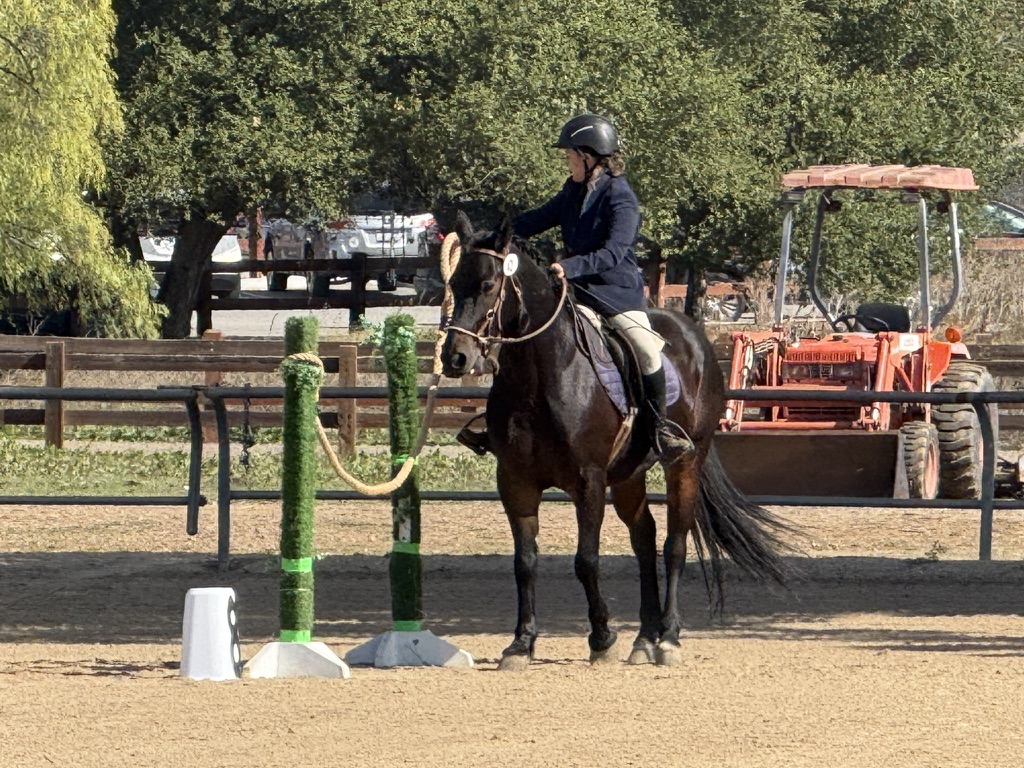
A comprehensive guide to riding technique — from the correct position in the saddle to advanced movements. Covers the progression from beginner to intermediate rider and the principles that accelerate improvement.
Good riding technique starts with a balanced, independent seat — the ability to maintain correct position without using the reins for balance. From there, riders develop feel for the horse's movement, learn to apply aids with precision, and progressively build toward collection, lateral work, and advanced movements.
Riding technique is the language you speak with your horse. The clearer and more consistent your language, the more responsive and willing your horse becomes.
This guide covers the progression from basic position to advanced technique, with a focus on the classical principles that produce balanced, capable riders and calm, responsive horses.
The Foundation: An Independent Seat
Before anything else, a rider must develop an independent seat — the ability to maintain correct position and balance without using the reins as a handle.
This is harder than it sounds. When a beginner feels unsteady, the instinct is to grab the reins. But the reins are connected to the horse's mouth. Grabbing them for balance sends a confusing signal to the horse and, over time, desensitizes it to rein aids.
An independent seat is developed through repetition, lunge line work (where the instructor controls the horse and the rider focuses entirely on position), and exercises designed to challenge balance — posting without stirrups, two-point position, and transitions.
At Hussar Stables, we invest heavily in this foundation. Our Level 1 curriculum is almost entirely focused on developing a correct, balanced position before introducing steering and more complex aids.
The Correct Position
When viewed from the side, a correctly positioned rider shows a straight vertical line from ear to shoulder to hip to heel. This alignment places the rider's weight directly over the horse's center of gravity, making the rider easy to carry and the horse easy to balance.
Key checkpoints:
Heels down. The heel should be the lowest point of the foot. This stabilizes the leg and prevents the foot from sliding through the stirrup.
Long, relaxed leg. The leg should hang naturally from the hip, with soft contact along the horse's side. Gripping with the knee or thigh pushes the rider out of the saddle.
Soft, following hands. The hands should follow the movement of the horse's head and neck, maintaining a soft, elastic contact with the mouth. Stiff, fixed hands block the horse's movement.
Upright, relaxed torso. The back should be straight but not rigid. The hips should follow the movement of the horse's back.
The Three Gaits
The Walk
The walk is a four-beat gait. Each of the horse's four feet hits the ground separately. The rider's hips should follow the swinging motion of the horse's back, allowing the horse to move freely.
The Trot
The trot is a two-beat diagonal gait. The horse's legs move in diagonal pairs. Riders learn two ways to sit the trot: posting (rising) trot, where the rider rises and sits with each beat, and sitting trot, where the rider absorbs the movement through a supple back and hip.
The posting trot is learned first because it is easier on both horse and rider. The sitting trot requires a more developed seat and is introduced later.
The Canter
The canter is a three-beat gait with a moment of suspension. It is asymmetrical — the horse leads with either the left or right foreleg. Riders must learn to ask for the correct lead and to sit the canter with a following, elastic seat.
The Aids
Aids are the signals you use to communicate with your horse. Classical riding recognizes three categories:
Weight aids. Shifting your weight subtly influences the horse's balance and direction. This is the most powerful and least understood aid.
Leg aids. The legs ask the horse to move forward, sideways, or to bend. The position of the leg (at the girth or behind the girth) determines the type of movement requested.
Rein aids. The reins are the last resort, not the first. They refine and direct movement that has already been created by weight and leg.
The order of priority matters: weight first, then leg, then rein. Riders who rely primarily on the reins produce horses that are heavy in the hand, resistant, and difficult to steer.
Balance Before Reins: The Hussar Stables Principle
At Hussar Stables, we teach a specific principle that shapes everything we do: balance before reins.
This means that before a rider is given independent control of the reins, they must demonstrate that they can maintain their balance without using the reins as support. This is tested through lunge line work, exercises without stirrups, and transitions at all three gaits.
The result is riders who develop a genuinely independent seat — and horses that remain sensitive, light, and willing because they are never pulled on for balance.
Lateral Movements
Lateral movements — exercises where the horse moves both forward and sideways simultaneously — are the key to developing suppleness, obedience, and collection.
Leg yield. The horse moves forward and sideways, crossing its legs. This is the first lateral movement most riders learn.
Shoulder-in. The horse's forehand is brought slightly to the inside of the track, creating a three-track movement. This is one of the most important exercises in classical riding.
Travers and renvers. More advanced lateral movements that develop collection and engagement of the hindquarters.
Frequently Asked Questions
How long does it take to develop a good seat? Most riders develop a functional independent seat within 6-12 months of consistent weekly lessons. A truly refined seat takes years.
What is collection? Collection is a state of balance where the horse carries more weight on its hindquarters, lightening the forehand. It is the result of correct training, not forcing the horse's head down.
What is the two-point position? The two-point position (also called light seat or jumping position) is where the rider lifts their seat out of the saddle and balances over the two points of contact — the legs. It is used for jumping, trail riding, and developing balance.
Your Next Step
At Hussar Stables, our curriculum is built on the classical principles of Working Equitation and Alta Escuela. Every level of our program is designed to develop riders who are balanced, effective, and genuinely in harmony with their horses.
Book a private Intro Lesson to experience this approach firsthand.
- Balance before reins — an independent seat is the foundation of all good riding
- The correct position: ear-shoulder-hip-heel alignment when viewed from the side
- Aids are applied through weight, leg, and rein — in that order of priority
- Collection is the result of correct training, not forcing the horse's head down
- Lateral movements (shoulder-in, leg yield) develop suppleness and obedience
- The two-point position builds balance and prepares riders for jumping and trail work
Have a question?
Text us — we reply fast.
(661) 227-3214 · Hussar Stables, Palmdale CA
Ready to Experience This in Person?
Book a private Intro Lesson at Hussar Stables and discover why families from Palmdale, Lancaster, and Santa Clarita choose our members-only riding club.
Book Intro Lesson