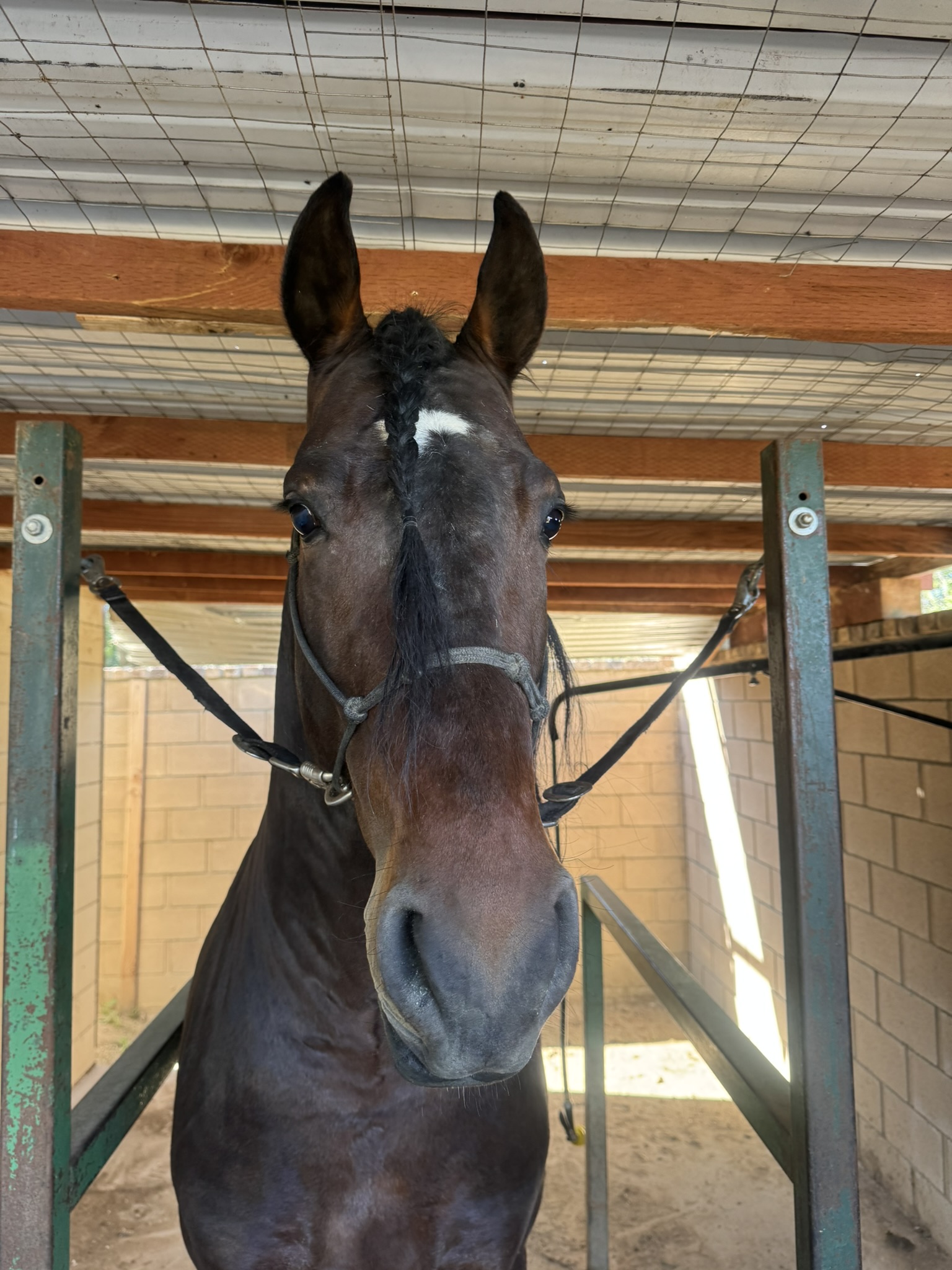
Discover how to choose the ideal horse breed for Working Equitation, comparing Lusitanos, Quarter Horses, Arabians, and Warmbloods. Learn what traits matter most and explore the sport's breed inclusivity at Hussar Stables.
Working Equitation is approached through the classical principles of harmony, precision, and partnership between horse and rider. At Hussar Stables, we integrate WE principles from the very first lesson, so riders develop both the technical skill and the feel that the sport demands.
Working Equitation is a rapidly growing equestrian discipline that tests the partnership between horse and rider through a series of demanding phases. Originating in Southern Europe, this sport was designed to showcase the skills required for field work, such as herding cattle and navigating obstacles. As the sport gains popularity across the globe, many riders find themselves asking a crucial question: which horse breed is best suited for Working Equitation? At Hussar Stables, a premium members-only riding club nestled in the heart of Palmdale, CA, we believe that while certain breeds naturally excel in this discipline, the true essence of Working Equitation lies in the training, the bond, and the individual horse\'s temperament. Whether you are riding in the Antelope Valley or traveling from nearby Lancaster or Santa Clarita, understanding the traits that make a successful Working Equitation horse is the first step toward mastering this elegant sport.
Understanding the Demands of Working Equitation
When considering the ideal horse for Working Equitation, it is essential to look beyond the breed registry and focus on the specific traits that the sport demands. A successful Working Equitation horse must possess a unique combination of agility, intelligence, and a willing temperament. The sport consists of four distinct phases: Dressage, Ease of Handling, Speed, and Cattle Handling. Each phase requires a different set of skills, making versatility the most critical trait of all.
The Four Phases and Key Traits
In the Dressage phase, the horse must demonstrate collection, balance, and precise movements, much like classical dressage. The Ease of Handling phase requires the horse to navigate a series of obstacles with calmness and precision, showcasing their trust in the rider. The Speed phase tests the horse\'s agility and responsiveness as they complete the obstacle course against the clock. Finally, the Cattle Handling phase demands a natural cow sense and the ability to work cooperatively with other horses and riders.
Traditional Choices: Lusitanos
The Lusitano is perhaps the most iconic breed associated with Working Equitation. Originating in Portugal, the Lusitano was bred for centuries to work cattle and perform in the bullring, making them naturally predisposed to the demands of the sport. Their compact build, powerful hindquarters, and natural ability to collect make them exceptional in the Dressage phase. Furthermore, their bravery and agility allow them to navigate obstacles with ease and perform brilliantly in the Speed and Cattle Handling phases. At Hussar Stables, we specialize in classical horsemanship, often referred to as Alta Escuela, and the Lusitano is a breed that truly embodies the elegance and power required for this level of training. Their intelligence and willingness to please make them a joy to train, and their striking appearance adds an element of prestige to any performance.
American Favorites: Quarter Horses
While the Lusitano may be the traditional choice, the American Quarter Horse has proven to be a formidable competitor in Working Equitation. Known for their incredible athleticism and natural cow sense, Quarter Horses excel in the Cattle Handling and Speed phases. Their powerful hindquarters allow for quick bursts of speed and sharp turns, making them highly competitive when navigating obstacles against the clock. Additionally, their calm and steady temperament makes them reliable partners in the Ease of Handling phase. While they may not possess the natural uphill build of a Lusitano, a well-trained Quarter Horse can perform beautifully in the Dressage phase, demonstrating the versatility that the breed is famous for. For riders in the Antelope Valley and surrounding areas like Lancaster and Santa Clarita, the Quarter Horse is a popular and accessible choice that can truly shine in the Working Equitation arena.
Elegant and Agile: Arabians
The Arabian is another breed that brings a unique set of strengths to Working Equitation. Known for their incredible stamina and intelligence, Arabians are highly responsive and quick to learn. Their agility and light-footedness make them excellent in the Speed phase, where they can navigate tight turns and complex obstacles with grace. While they may not have the traditional build of a working horse, their endurance and willingness to work make them strong competitors. In the Dressage phase, their natural elegance and expressive movement can earn high marks, provided they are trained with patience and understanding. The Arabian\'s sensitive nature requires a rider who can communicate clearly and softly, a philosophy that aligns perfectly with the classical horsemanship principles taught at Hussar Stables.
Powerful and Expressive: Warmbloods
Warmbloods, traditionally bred for show jumping and classical dressage, are also making their mark in Working Equitation. These powerful and athletic horses excel in the Dressage phase, where their expressive gaits and natural ability to collect are highly rewarded. Their size and strength can be an advantage in the Cattle Handling phase, provided they have the necessary agility and cow sense. However, their larger stature can sometimes make the tight turns of the Speed phase more challenging. Despite this, a well-trained Warmblood with a willing temperament can be a highly successful Working Equitation horse. Their intelligence and trainability make them excellent partners for riders who are dedicated to the rigorous training required for the sport.
Breed Inclusivity: The Heart of Working Equitation
Ultimately, the beauty of Working Equitation lies in its inclusivity. While Lusitanos, Quarter Horses, Arabians, and Warmbloods each bring their own unique strengths to the arena, the sport is open to all breeds. At Hussar Stables, we have seen incredible performances from a wide variety of horses, from rescue ponies to draft crosses. The most important factor is not the breed, but the partnership between horse and rider. A horse with a willing heart, a sound mind, and a solid foundation of training can excel in Working Equitation, regardless of their pedigree. The sport celebrates the bond between horse and rider, rewarding those who have taken the time to develop a relationship built on trust, respect, and clear communication.
Finding Your Perfect Partner at Hussar Stables
Choosing the right horse for Working Equitation is a deeply personal decision that depends on your individual goals, riding style, and experience level. It is important to find a horse whose temperament and physical abilities align with the demands of the sport, but it is equally important to find a horse that you connect with on a deeper level. At Hussar Stables, our expert trainers are dedicated to helping riders find and develop their ideal Working Equitation partner. We offer a premium, members-only environment where riders can immerse themselves in the art of classical horsemanship and the thrill of Working Equitation. Whether you are a seasoned competitor or a curious beginner, our facility in Palmdale, CA, provides the perfect setting to explore this exciting discipline.
If you are ready to embark on your Working Equitation journey, we invite you to experience the unparalleled training and community at Hussar Stables. Our world-class facility, located conveniently for riders in Palmdale, Lancaster, Santa Clarita, and the greater Antelope Valley, offers a sanctuary for those who take horsemanship seriously. Discover the elegance of Alta Escuela and the excitement of Working Equitation with our expert instructors. Book an Intro Lesson today at hussarstables.com and take the first step toward mastering the art of the working horse. Your perfect equine partner is waiting, and we are here to help you achieve your equestrian dreams.
- Working Equitation has four phases: Dressage, Ease of Handling, Speed, and Cattle Handling
- It is open to all breeds and riding styles — English, Western, or Iberian tack
- The obstacle course tests practical horsemanship: gates, bridges, slaloms, and more
- WE gives classical dressage a tangible purpose — movements are used to navigate real obstacles
- The WE community is known for being welcoming, supportive, and focused on horsemanship
Have a question?
Text us — we reply fast.
(661) 227-3214 · Hussar Stables, Palmdale CA
Ready to Experience This in Person?
Book a private Intro Lesson at Hussar Stables and discover why families from Palmdale, Lancaster, and Santa Clarita choose our members-only riding club.
Book Intro Lesson