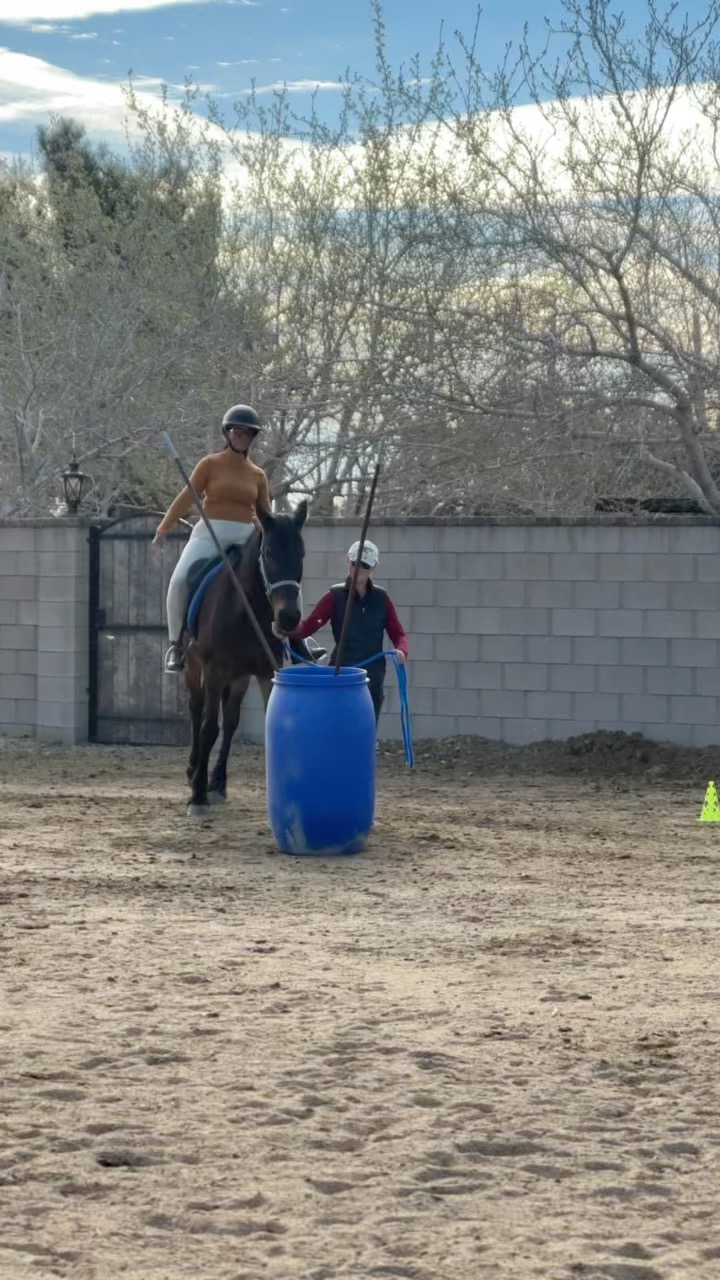
Finding a reputable riding instructor in the Antelope Valley is crucial for equestrian development. This guide from Hussar Stables helps riders in Palmdale, Lancaster, and Santa Clarita identify qualified instructors, recognize red flags, and ask the right questions, emphasizing the importance of discipline-specific experience in Working Equitation and classical horsemanship.
The Palmdale and Lancaster area offers year-round riding weather, extensive trail access, and Hussar Stables — the premier structured riding program in the region. Families drive from Santa Clarita, Valencia, and Los Angeles specifically for the quality of instruction we provide.
For those passionate about horsemanship, finding the right riding instructor is paramount to developing skill, confidence, and a truly harmonious partnership with your equine companion. In the sprawling and diverse landscape of the Antelope Valley, from Palmdale to Lancaster and even extending towards Santa Clarita, the choices can seem abundant, yet discerning quality requires a keen eye. At Hussar Stables, we understand the dedication and discernment our members bring to their equestrian pursuits, and we believe every rider deserves an instructor who embodies excellence, safety, and a profound understanding of classical horsemanship principles.
This guide is designed to equip you with the knowledge to navigate the search for a reputable riding instructor in the Antelope Valley, ensuring your journey in horsemanship is both rewarding and safe. We\'ll delve into crucial certifications, red flags to avoid, essential questions to ask, and why an instructor\'s experience in specific disciplines, such as Working Equitation or Alta Escuela, can make all the difference.
The Foundation: What Certifications to Look For
A reputable riding instructor often possesses formal certifications that attest to their knowledge, teaching methodology, and commitment to safety. While not every exceptional instructor will have every certification, these credentials provide a valuable baseline for evaluating their qualifications.
United States Equestrian Federation (USEF) Certifications
For instructors specializing in English disciplines, USEF certifications are a strong indicator of professional standards. These certifications often require rigorous testing in riding, teaching, and horse management, ensuring a comprehensive understanding of the sport. An instructor with USEF certification demonstrates a commitment to ongoing education and adherence to recognized industry best practices.
Certified Horsemanship Association (CHA) Certification
The Certified Horsemanship Association (CHA) offers certifications for instructors across various disciplines, including English, Western, and even driving. CHA certification emphasizes safety, horsemanship, and effective teaching techniques. Instructors certified by CHA have typically undergone practical assessments and written exams, proving their ability to teach safely and effectively to a diverse range of students.
Discipline-Specific Certifications
For specialized disciplines like Working Equitation or classical dressage (Alta Escuela), look for instructors with certifications or significant training from recognized international bodies or highly respected masters in those fields. For instance, an instructor deeply versed in Working Equitation might have trained extensively with Portuguese or Spanish masters, or hold certifications from organizations dedicated to promoting the sport. This specialized knowledge is crucial for riders seeking to excel in these nuanced disciplines.
Navigating the Terrain: Red Flags in Instructors
Just as important as knowing what to look for is recognizing what to avoid. Identifying red flags early can save you from potentially negative experiences, financial waste, and even unsafe situations.
Lack of Focus on Safety
Safety should always be the top priority in any equestrian activity. An instructor who consistently overlooks safety protocols – such as improper helmet use, ill-fitting tack, or allowing riders to push beyond their skill level in unsafe environments – is a significant red flag. A reputable instructor will prioritize the well-being of both horse and rider above all else.
Inconsistent or Unclear Teaching Methods
Effective instruction requires clear communication and a structured approach. If an instructor\'s teaching methods are inconsistent, confusing, or lack a clear progression, it can hinder your learning and progress. A good instructor will be able to articulate their teaching philosophy and demonstrate how each lesson builds upon the last.
Negative or Disrespectful Demeanor
An instructor\'s attitude significantly impacts the learning environment. Avoid instructors who are habitually negative, condescending, or disrespectful towards students, horses, or other professionals. A positive, encouraging, and patient demeanor fosters a much more productive and enjoyable learning experience.
Over-Promising or Guaranteeing Results
Horsemanship is a journey, not a destination, and progress varies for every individual. Be wary of instructors who make unrealistic promises or guarantee specific results in a short timeframe. Genuine progress takes time, effort, and dedication from both student and instructor.
Poor Horse Welfare Practices
Observe how the instructor interacts with and cares for the horses under their charge. Any signs of neglect, harsh handling, or disregard for equine welfare are immediate red flags. A true horseman or horsewoman will always prioritize the health and happiness of their horses.
Your Interview: Questions to Ask Potential Instructors
Once you\'ve identified potential instructors, a thorough interview process is essential. Don\'t hesitate to ask probing questions to ensure they are the right fit for your goals and learning style.
What is your teaching philosophy?
Understanding an instructor\'s teaching philosophy will give you insight into their approach to horsemanship. Do they emphasize classical principles, natural horsemanship, or a blend of methodologies? This helps determine if their approach aligns with your own values and aspirations.
What are your qualifications and experience?
Ask about their certifications, training background, and years of experience teaching. Inquire about their personal riding achievements and how they continue their own education. For those in the Antelope Valley interested in disciplines like Working Equitation, ask specifically about their experience and success in that field.
How do you handle challenging situations or difficult horses?
This question reveals an instructor\'s problem-solving skills and temperament. A good instructor will have thoughtful, ethical approaches to common challenges, demonstrating patience and a deep understanding of equine behavior.
What is your approach to rider safety?
Reiterate your concern for safety. Ask about their barn rules, emergency procedures, and how they ensure a safe learning environment for all students, especially those new to riding or working with different horses.
Can I observe a lesson or speak to current students?
Observing a lesson in progress is invaluable. It allows you to see the instructor in action, assess their teaching style, and observe the interaction between instructor, student, and horse. Speaking with current students can provide honest insights into their experiences.
The Discipline Factor: Why Experience Matters
When seeking an instructor, particularly in specialized fields, their discipline-specific experience is not merely a preference; it\'s a necessity. For riders in Palmdale, Lancaster, or Santa Clarita who are drawn to the elegance and precision of Working Equitation or the historical depth of Alta Escuela, an instructor with a deep, personal understanding of these disciplines is indispensable.
An instructor experienced in Working Equitation, for example, will not only teach you the technical movements but also the nuanced partnership required to navigate obstacles with grace and efficiency. They will understand the specific training scales, the historical context, and the subtle cues that define the discipline. Similarly, an instructor specializing in Alta Escuela will guide you through the intricate movements and the profound connection to classical principles that are the hallmark of this art form.
At Hussar Stables in Palmdale, CA, our focus on Working Equitation and classical horsemanship means we attract instructors and members who are deeply committed to these traditions. We believe that true mastery comes from dedicated study and practice under the guidance of those who have walked the path themselves. Our instructors bring a wealth of experience, ensuring that every lesson contributes to a solid foundation in these demanding yet rewarding disciplines.
Your Journey Begins Here
Finding the right riding instructor in the Antelope Valley is a significant step on your equestrian journey. By focusing on certifications, recognizing red flags, asking pertinent questions, and prioritizing discipline-specific experience, you can confidently choose a mentor who will elevate your horsemanship to new heights. Whether your aspirations lie in the competitive arena of Working Equitation or the refined artistry of classical dressage, the guidance of a truly reputable instructor is invaluable.
Ready to experience the difference that expert instruction and a premium equestrian environment can make? Discover the unique offerings at Hussar Stables. We invite you to take the first step towards achieving your horsemanship goals. Book an Intro Lesson today at hussarstables.com and embark on a journey of unparalleled equestrian excellence in Palmdale, CA.
- The Antelope Valley offers year-round riding weather — mild winters, warm summers, low humidity
- Extensive trail systems connect to the Angeles National Forest and Mojave Desert
- Hussar Stables in Palmdale is the premier structured riding program in the region
- Families drive from Santa Clarita, Valencia, and Los Angeles for the quality of instruction
- The open space and natural terrain make the Antelope Valley ideal for trail exposure
Have a question?
Text us — we reply fast.
(661) 227-3214 · Hussar Stables, Palmdale CA
Ready to Experience This in Person?
Book a private Intro Lesson at Hussar Stables and discover why families from Palmdale, Lancaster, and Santa Clarita choose our members-only riding club.
Book Intro Lesson