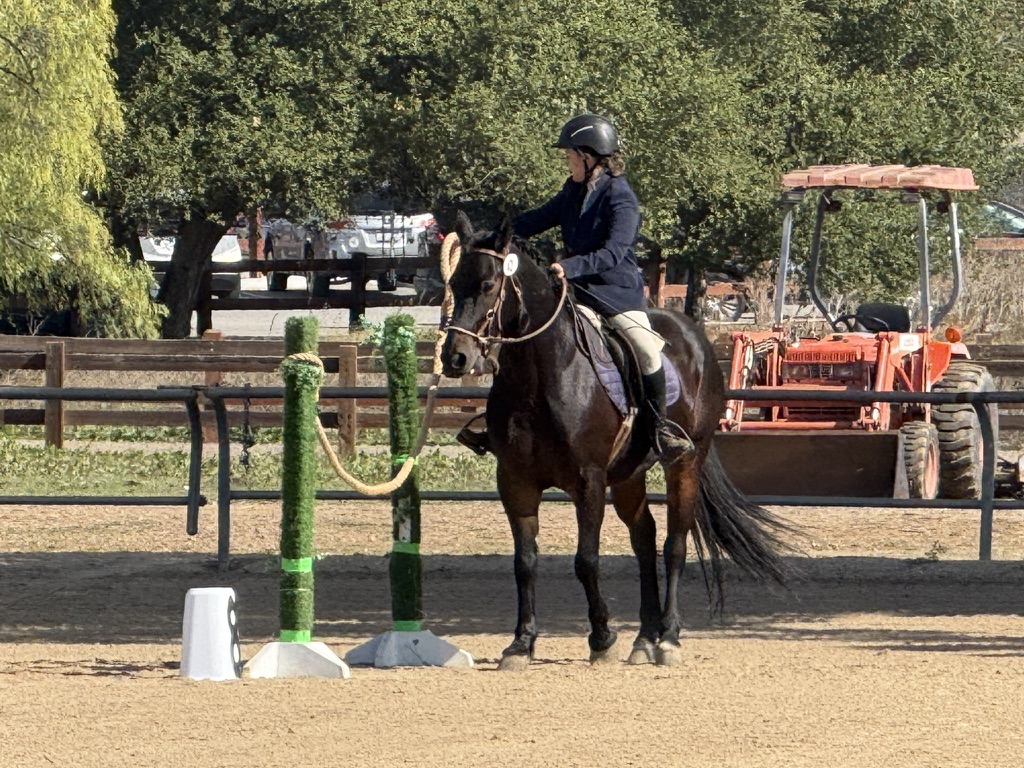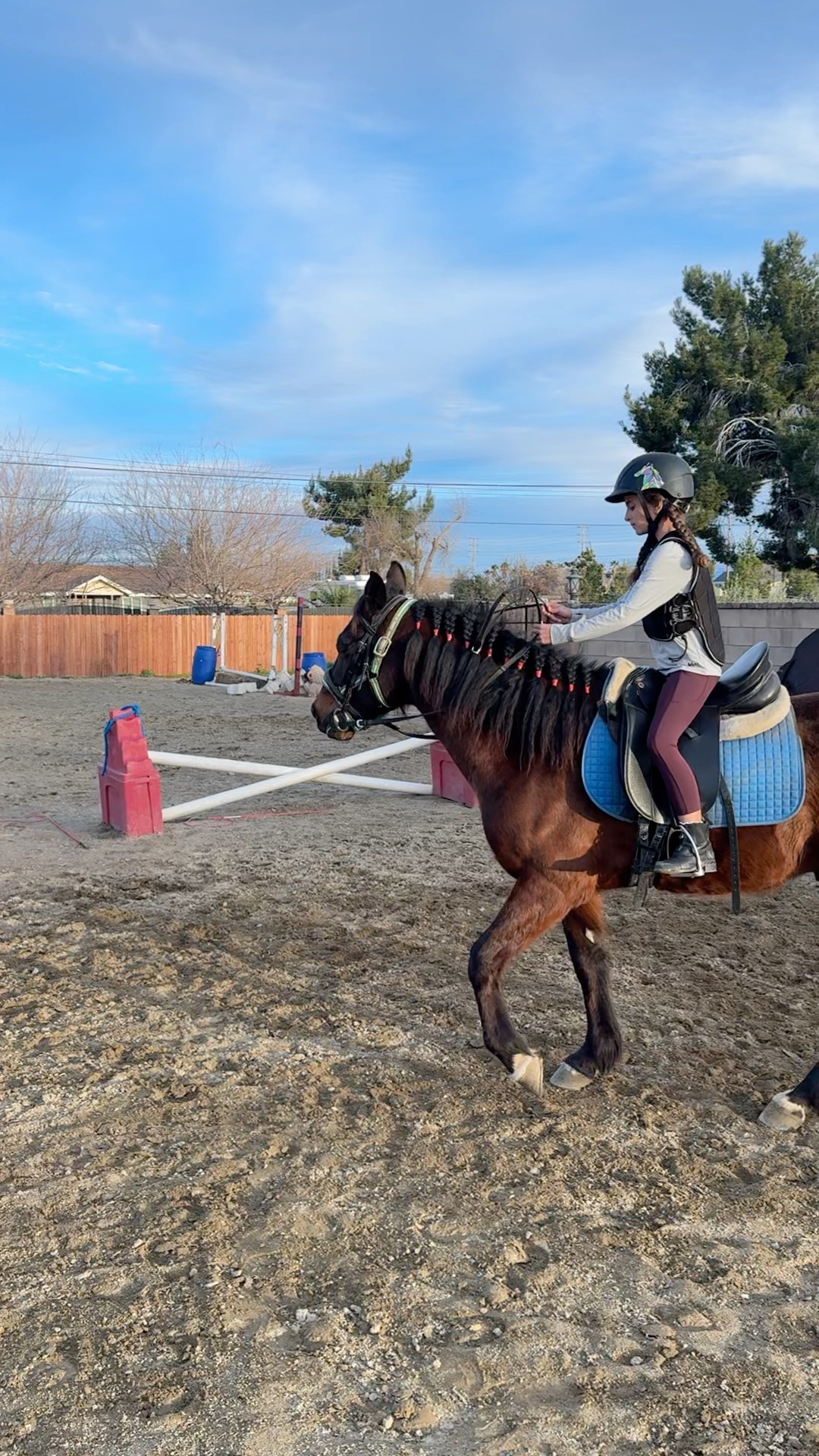
Horse shows have a set of unwritten rules that every competitor and parent is expected to know — but nobody explicitly teaches. Here is what they are, why they matter, and how to navigate your first show with confidence.
# Horse Show Etiquette: What Every Rider and Parent Needs to Know
Horse shows have a culture. Like most cultures, it has a set of unwritten rules that experienced participants follow automatically and that newcomers are expected to absorb through observation. Nobody hands you a rulebook when you arrive at your first show. You are simply expected to know.
This guide is that rulebook. It covers the etiquette of the warm-up ring, the barn, the competition arena, and the social dynamics of the show environment — everything a first-time competitor and their family needs to know to participate respectfully and confidently.
Why Etiquette Matters at Horse Shows
Horse show etiquette is not merely social convention. Much of it exists for safety reasons, because a warm-up ring full of horses moving in different directions at different gaits is a genuinely dangerous environment if everyone is not following the same conventions. Other aspects of etiquette exist out of respect for the horses, the judges, the organizers, and the other competitors who have worked hard to be there.
Continue Reading · Cost & Expectations
How Much Does Horseback Riding Cost? A Complete Guide to Pricing and Expectations
12 min read
Understanding the why behind the rules makes them easier to remember and follow.
Warm-Up Ring Etiquette
The warm-up ring is where most etiquette violations occur, because it is the most chaotic environment at any show. Multiple riders are working at the same time, at different gaits, on different figures, with different levels of experience. The following conventions keep it manageable.
Pass left shoulder to left shoulder. When two horses are traveling in opposite directions, they should pass each other with their left shoulders adjacent — the same convention as driving on the right side of the road. This is the single most important rule in the warm-up ring, and it is almost universally observed.
Faster gaits have the right of way. A horse cantering has the right of way over a horse trotting, which has the right of way over a horse walking. If you are walking and a cantering horse is approaching, move out of the way rather than expecting them to go around you.
Continue Reading · Cost & Expectations
What is a Half-Lease? A Parent's Guide to Horse Leasing in the Antelope Valley
7 min read
Call your intentions. If you are about to change direction, transition to a faster gait, or perform a movement that will take you across the path of another horse, it is courteous to call out your intention. "Turning left" or "coming to canter" gives other riders a moment to adjust.
Do not stop in the middle of the ring. If you need to stop — to adjust a stirrup, speak to your trainer, or regroup — move to the center of the ring or to the rail, not to the middle of the traffic flow.
Give green horses space. If a horse is clearly nervous or spooky, give it extra room. A collision or near-miss in the warm-up ring can ruin a horse's entire show day.
Respect the trainer-rider relationship. If a trainer is giving a rider instruction in the warm-up ring, do not ride through their space or interrupt. Trainers often have only a few minutes to prepare a rider for their class, and interruptions are genuinely disruptive.
Continue Reading · Cost & Expectations
The Difference Between English and Western Riding: Which is Right for Your Child?
7 min read
Barn and Stabling Etiquette
Ask before touching someone else's horse. This seems obvious but is frequently violated. Never reach into another competitor's stall or touch their horse without asking. The horse may be nervous, may have a health issue, or the owner may simply prefer that strangers not handle their animal.
Keep your area tidy. Show barns are shared spaces. Leaving tack, feed bags, and equipment spread across the aisle is inconsiderate and creates a safety hazard. Keep your gear organized and within your designated space.
Do not feed other people's horses. Well-meaning spectators sometimes offer treats to horses in the barn. This is a problem for several reasons: the horse may have dietary restrictions, may be on medication, or may be a horse that becomes pushy or aggressive around food. Always ask before offering anything to a horse that is not yours.
Respect quiet hours. Many shows have designated quiet hours, typically in the early morning and late evening. Loud music, shouting, and other disruptive behavior during these hours is inconsiderate to horses and competitors who need rest.
Continue Reading · Cost & Expectations
How Much Do Horseback Riding Lessons Cost in California? (2025 Breakdown)
6 min read
Competition Arena Etiquette
Be ready when your number is called. Showing up late to your class creates delays for everyone and is considered disrespectful to the judge and the show management. Know your class schedule, know how long it takes to warm up your horse, and be at the in-gate with time to spare.
Do not school in the competition arena. The competition arena is for competing, not for additional warm-up. Riding figures, practicing movements, or schooling your horse in the arena before or after your class is not permitted at most shows and is considered poor form at all of them.
Acknowledge the judge. At most shows, it is customary to acknowledge the judge with a nod or a brief salute as you enter the arena. This is a mark of respect, not a formality.
Accept the judge's decision gracefully. Judges make decisions based on what they see in the moment. They may miss things; they may weigh elements differently than you would. Arguing with, complaining loudly about, or making disparaging comments about a judge's decision is considered extremely poor form and reflects badly on you, your barn, and your horse.
Continue Reading · Cost & Expectations
Is Horseback Riding Worth It? An Honest Cost-Benefit Analysis for Parents
7 min read
Congratulate other competitors. Win or lose, congratulating other competitors on their rides is part of the culture of equestrian sport. The community is small, and the relationships you build at shows will last for years.
A Note for Parents
Parents at horse shows play an important supporting role, and the way they behave reflects directly on their child and their barn.
Stay out of the warm-up ring unless you are a credentialed trainer. The warm-up ring is for riders and their trainers. Parents watching from the rail is fine; parents walking into the ring to speak to their child is not.
Cheer, but do not coach from the rail. Shouting instructions to your child during a class is distracting to your child, to other competitors, and to the judge. If your child needs coaching, that is the trainer's job.
Model gracious behavior. Your child is watching how you respond to results — good and bad. A parent who celebrates wins with genuine joy and accepts losses with grace teaches their child something far more valuable than any ribbon.
Understand that the horse's welfare comes first. At the end of the day, the horse's health, comfort, and wellbeing take priority over any competitive result. A child who learns this early becomes the kind of equestrian that the community respects.
A Quick Reference Table
| Situation | Correct Etiquette |
|---|---|
| Passing in warm-up ring | Left shoulder to left shoulder |
| Faster gait approaching | Slower gait yields |
| Stopping in warm-up | Move to center or rail |
| Touching another's horse | Always ask first |
| Arriving for your class | At the in-gate early |
| Disagreeing with a judge | Accept gracefully, say nothing |
| Congratulating competitors | Always, win or lose |
| Parents coaching from rail | Leave it to the trainer |
---
At Hussar Stables, we prepare our members for their first shows with specific guidance on show-day etiquette as part of the competition preparation process. No one should walk into their first show feeling uncertain about how to conduct themselves.
[Book an Intro Lesson](/book) at Hussar Stables in Palmdale, CA — and start your equestrian journey with a barn that prepares you for everything, not just the riding.
More in Cost & Expectations
How Much Does Horseback Riding Cost? A Complete Guide to Pricing and Expectations
12 min read
What is a Half-Lease? A Parent's Guide to Horse Leasing in the Antelope Valley
7 min read
The Difference Between English and Western Riding: Which is Right for Your Child?
7 min read
How Much Do Horseback Riding Lessons Cost in California? (2025 Breakdown)
6 min read
Is Horseback Riding Worth It? An Honest Cost-Benefit Analysis for Parents
7 min read
What to Expect in Your First Month of Riding Lessons
5 min read
Have a question?
Text us — we reply fast.
(661) 227-3214 · Hussar Stables, Palmdale CA
Ready to Experience This in Person?
Book a private Intro Lesson at Hussar Stables and discover why families from Palmdale, Lancaster, and Santa Clarita choose our members-only riding club.
Book Intro Lesson