Parents weighing horseback riding against soccer, gymnastics, or swimming often ask the same question: what does riding give my child that other sports don't? The honest answer might surprise you.
Horseback riding develops skills that no other youth sport replicates: emotional regulation through working with a prey animal, nonverbal communication, responsibility for a living creature, and physical balance that transfers to all other sports. Unlike team sports, riding requires the child to manage both their own performance and the response of another being — a cognitive and emotional demand that accelerates maturity.
Every spring, parents face the same calendar problem. Soccer registration opens. Gymnastics has a waitlist. The swim team is recruiting. And somewhere in the mix, a child is asking about horses.
The question parents ask us most often is not whether riding is safe, or how much it costs. It is: What does riding give my child that other sports don't?
It is a good question. And the honest answer is more specific than most people expect.
What Every Sport Gives Kids
Before making the case for riding, it is worth acknowledging what all youth sports share. Physical activity, teamwork or individual challenge, discipline, goal-setting, learning to lose gracefully — these are the common goods of organized youth sport, and they are real. A child who plays soccer, swims competitively, or trains in gymnastics will develop important skills.
Continue Reading · Kids & Families
Complete Guide to Horseback Riding for Kids: What Every Parent Needs to Know
14 min read
The question is not whether other sports are good. It is what riding adds that they do not.
The Horse Variable
Every other youth sport involves the child performing against a fixed environment. The soccer field does not have opinions. The gymnastics beam does not get nervous. The swimming pool does not spook at a plastic bag.
A horse does.
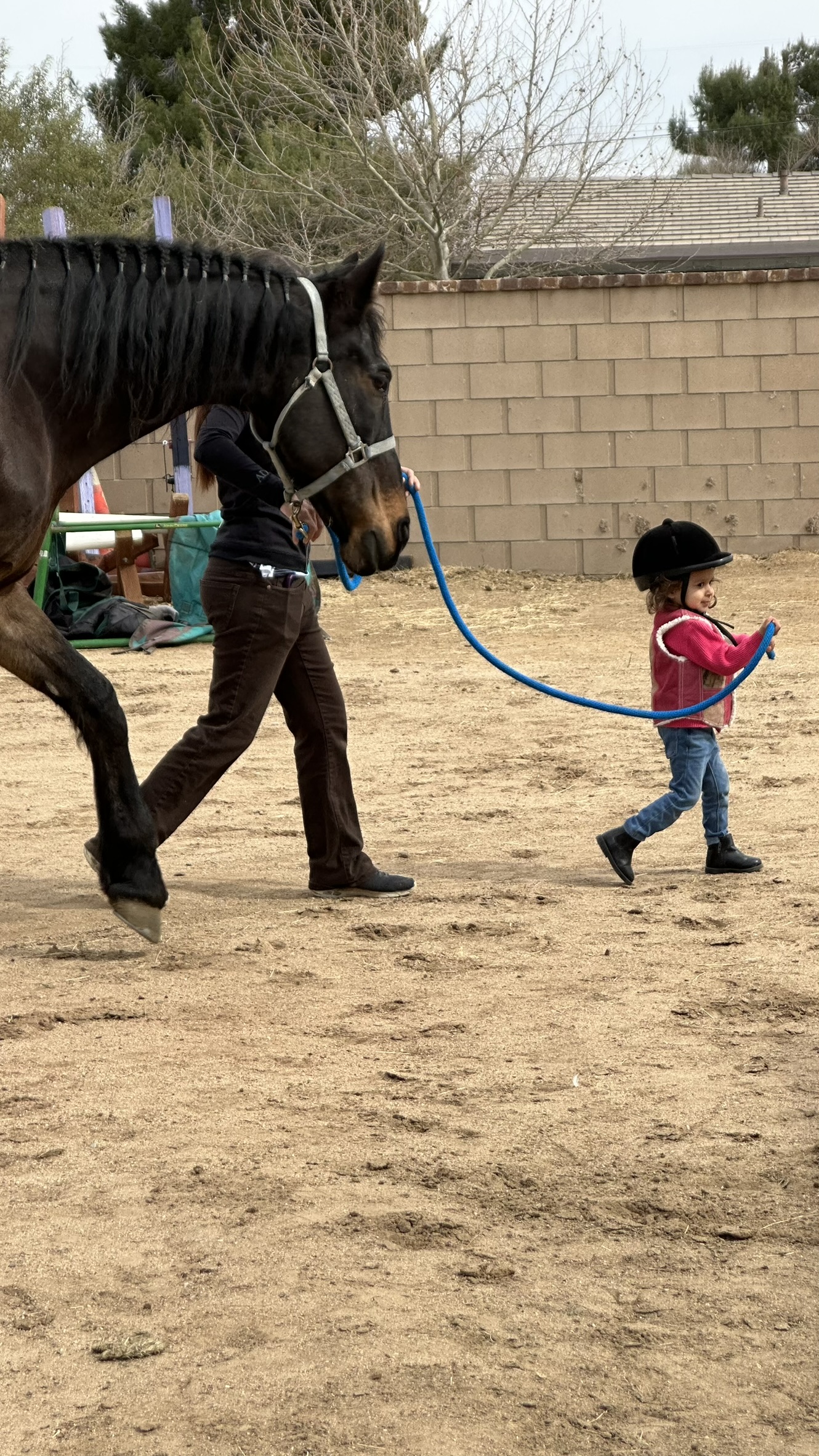
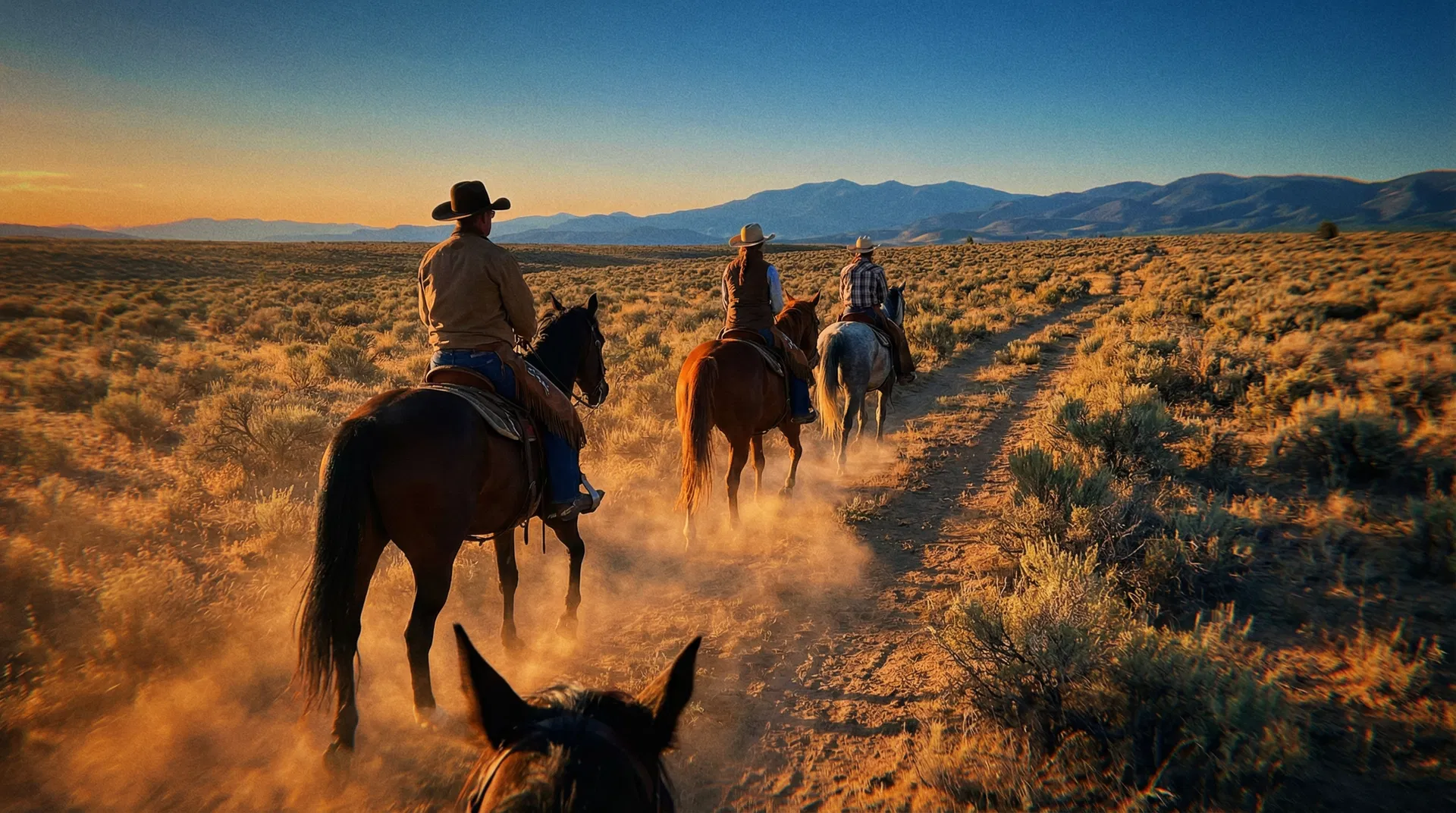
This is the fundamental difference between equestrian sport and everything else. When a child rides a horse, they are not just performing a skill — they are managing a relationship with a 1,200-pound prey animal that has its own emotional state, its own fears, and its own response to the rider's body and energy.
Continue Reading · Kids & Families
How Horseback Riding Builds Confidence in Children with Anxiety
9 min read
This creates a feedback loop that no other sport replicates. If a child is tense, the horse becomes tense. If the child is distracted, the horse loses focus. If the child panics, the horse may spook. The horse is a living mirror of the rider's emotional state.
The result is that riding teaches emotional regulation in a way that is immediate, concrete, and impossible to fake. A child cannot tell a horse to calm down. They have to be calm. They have to regulate their own breathing, their own body tension, their own energy — not because a coach told them to, but because the horse requires it.
Parents who bring anxious children to riding lessons consistently report the same thing: within a few months, the child is calmer. Not just at the barn. At school, at home, in situations that used to overwhelm them. The horse taught them something that years of talking about feelings could not.
Physical Development: What Riding Builds
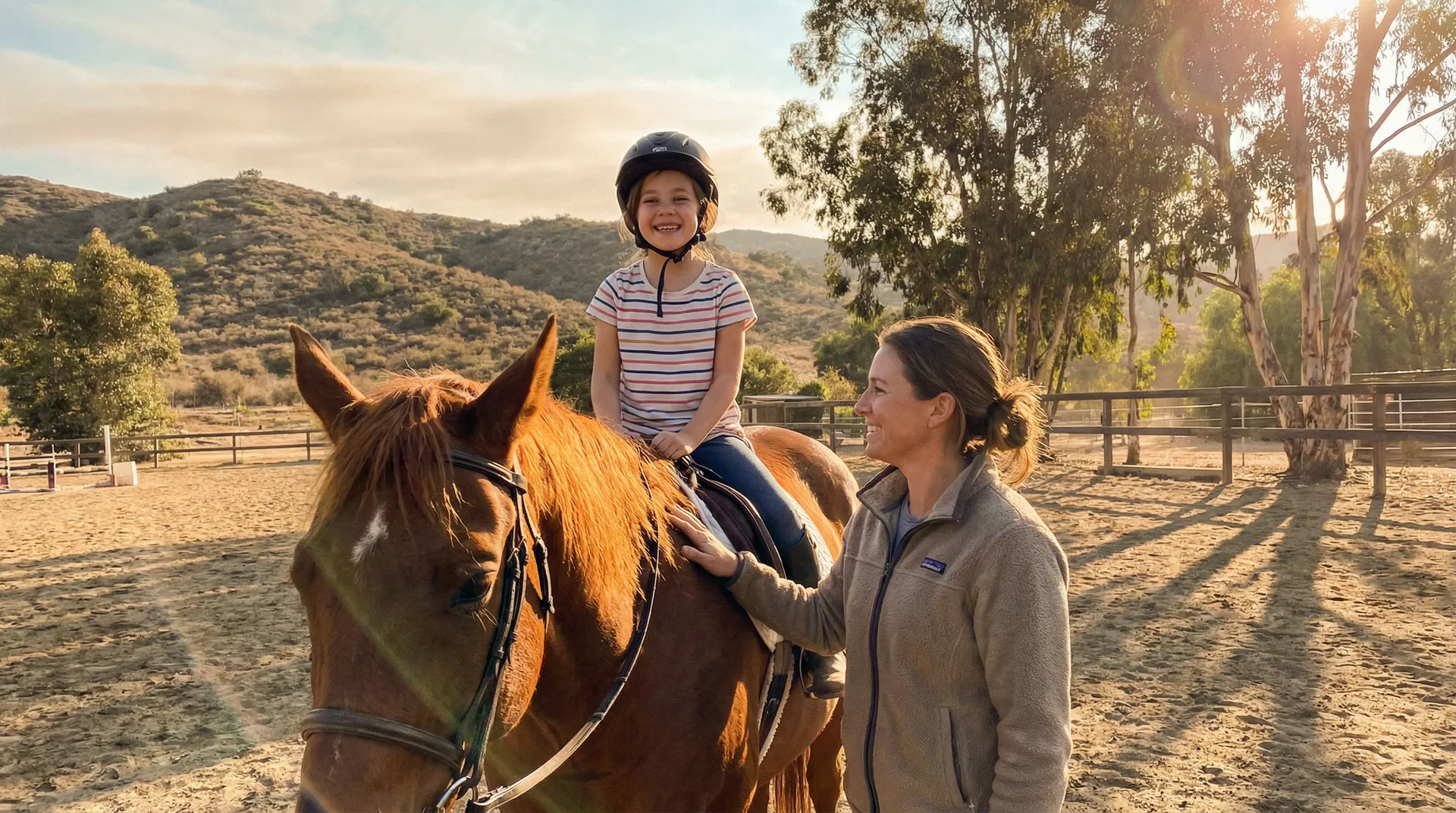
Riding is a full-body athletic activity that is frequently underestimated by people who have never done it.
Continue Reading · Kids & Families
The Best Age to Start Horseback Riding Lessons: A Guide for Parents
7 min read
Core strength. Maintaining a balanced seat at the trot and canter requires constant, active engagement of the deep core muscles. Not the surface abs — the stabilizing muscles around the spine and pelvis that most gym exercises do not reach. Riders develop this core strength naturally, and it transfers directly to every other physical activity.
Balance and proprioception. The horse moves in three dimensions simultaneously — up, forward, and side to side. Staying balanced on a moving horse develops proprioceptive awareness (the body's sense of its own position in space) that is exceptional compared to static-surface sports. Athletes who ride tend to have better balance across all sports.
Coordination and laterality. Riding requires the simultaneous, independent use of both hands and both legs, each giving different signals. This bilateral coordination is cognitively demanding and develops neural pathways that benefit fine motor skills, academic performance, and athletic coordination broadly.
Posture. Correct riding position — pelvis neutral, shoulders back and relaxed, weight in the heels — directly counteracts the forward-head, rounded-shoulder posture that children develop from screens and backpacks. Riders tend to stand differently. Parents notice it within months.
Continue Reading · Kids & Families
How to Prepare Your Child for Their First Riding Lesson
5 min read
Comparing the Sports
| | Soccer | Gymnastics | Swimming | Horseback Riding |
|---|---|---|---|---|
| Core strength | Moderate | High | High | High |
| Balance | Moderate | High | Moderate | Very High |
| Emotional regulation | Moderate | Moderate | Low | Very High |
| Responsibility for another being | None | None | None | Central |
| Nonverbal communication | Low | Low | None | Central |
| Year-round (Southern CA) | Yes | Yes | Yes | Yes |
| Gender equity at all levels | Partial | Partial | Yes | Yes |
Responsibility and Empathy
In most youth sports, the child shows up, performs, and goes home. The equipment does not need feeding. The field does not need grooming. The pool does not have feelings.
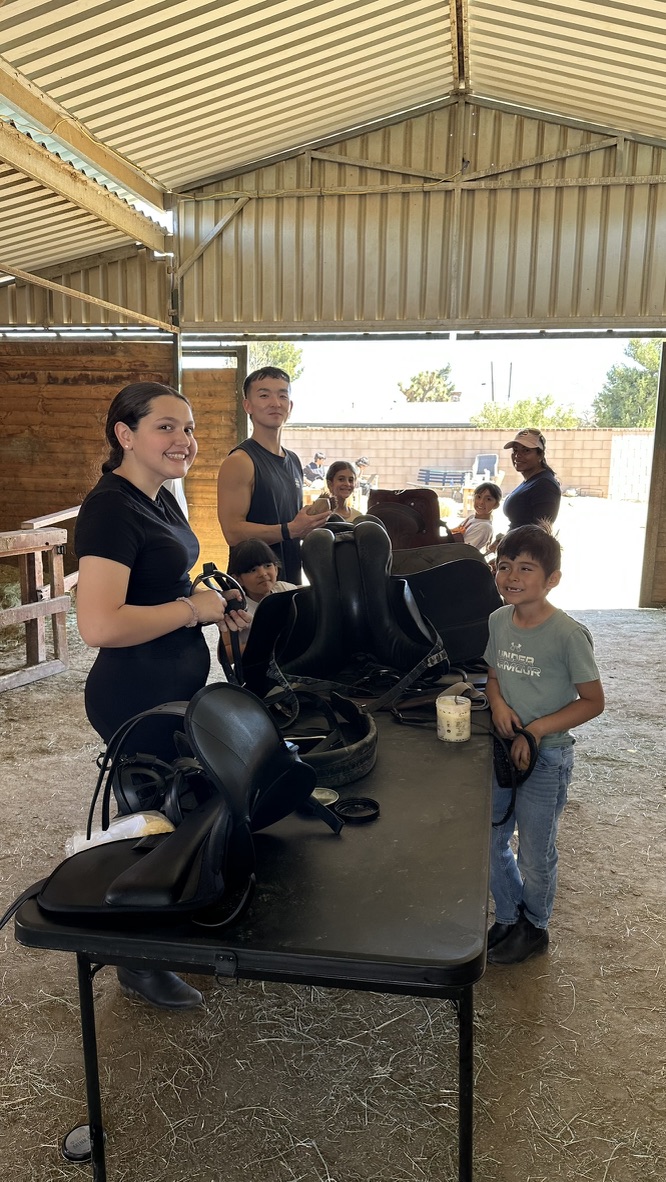
In riding, the child is responsible for the care of a living animal. They learn to groom, to tack up, to notice when the horse is not quite right. They learn that their actions have consequences for another being — and that those consequences matter.
This responsibility is one of the most consistently reported transformative effects of riding on children. Parents describe children who were previously indifferent to chores becoming meticulous about barn duties. Children who struggled with empathy learning to read and respond to the horse's needs. The horse makes the lesson real in a way that abstract instruction cannot.
The Gender Equity Factor
Equestrian sport is one of the very few Olympic disciplines where men and women compete on equal terms — same horses, same courses, same judging criteria. There is no women's division and men's division. There is simply the sport.
For girls in particular, this matters. In most youth sports, girls are told — explicitly or implicitly — that they will eventually be outpaced by boys as puberty changes the physical landscape. In riding, that is not true. The skills that make a great rider — feel, timing, patience, communication — do not favor one gender over the other. Girls who ride grow up in a sport where their ceiling is the same as everyone else's.
What Riding Is Not
Riding is not the right choice for every child. It requires a genuine interest in horses — not just in the idea of horses. It requires a tolerance for dirt, physical work, and occasional discomfort. It requires a parent who is willing to commit to consistent lessons rather than occasional drop-ins.
And it costs more than most team sports. That is a real consideration, and one worth being honest about.
But for the right child — the one who lights up around animals, who is drawn to the barn in a way that feels different from how they approach other activities — riding offers something that no other sport does. A relationship. A responsibility. A mirror.
At Hussar Stables in Palmdale, CA, we work with children from age 6 through their teenage years. Our program is structured, progressive, and built on the same classical principles that have produced exceptional riders for centuries. If your child is curious about horses, the Intro Lesson is the right place to find out if riding is their sport.
[Book an Intro Lesson](/book) for your child at Hussar Stables and see what horses can teach them.
- Riding is the only youth sport that requires managing a relationship with another living being
- Emotional regulation improves faster in riding than in most team sports — the horse gives instant feedback
- Core strength and balance developed in riding transfer directly to other athletic activities
- Responsibility for horse care builds work ethic and empathy that parents consistently report as transformative
- Riding is one of the few sports where girls and boys compete on equal terms at every level
- The skills riding builds — patience, nonverbal communication, self-regulation — are life skills, not just sport skills
More in Kids & Families
Complete Guide to Horseback Riding for Kids: What Every Parent Needs to Know
14 min read
The Ultimate Guide to Horseback Riding Lessons for Kids in the Antelope Valley
7 min read
Why We Don't Do Drop-In Lessons: The Benefits of a Riding Club Membership
6 min read
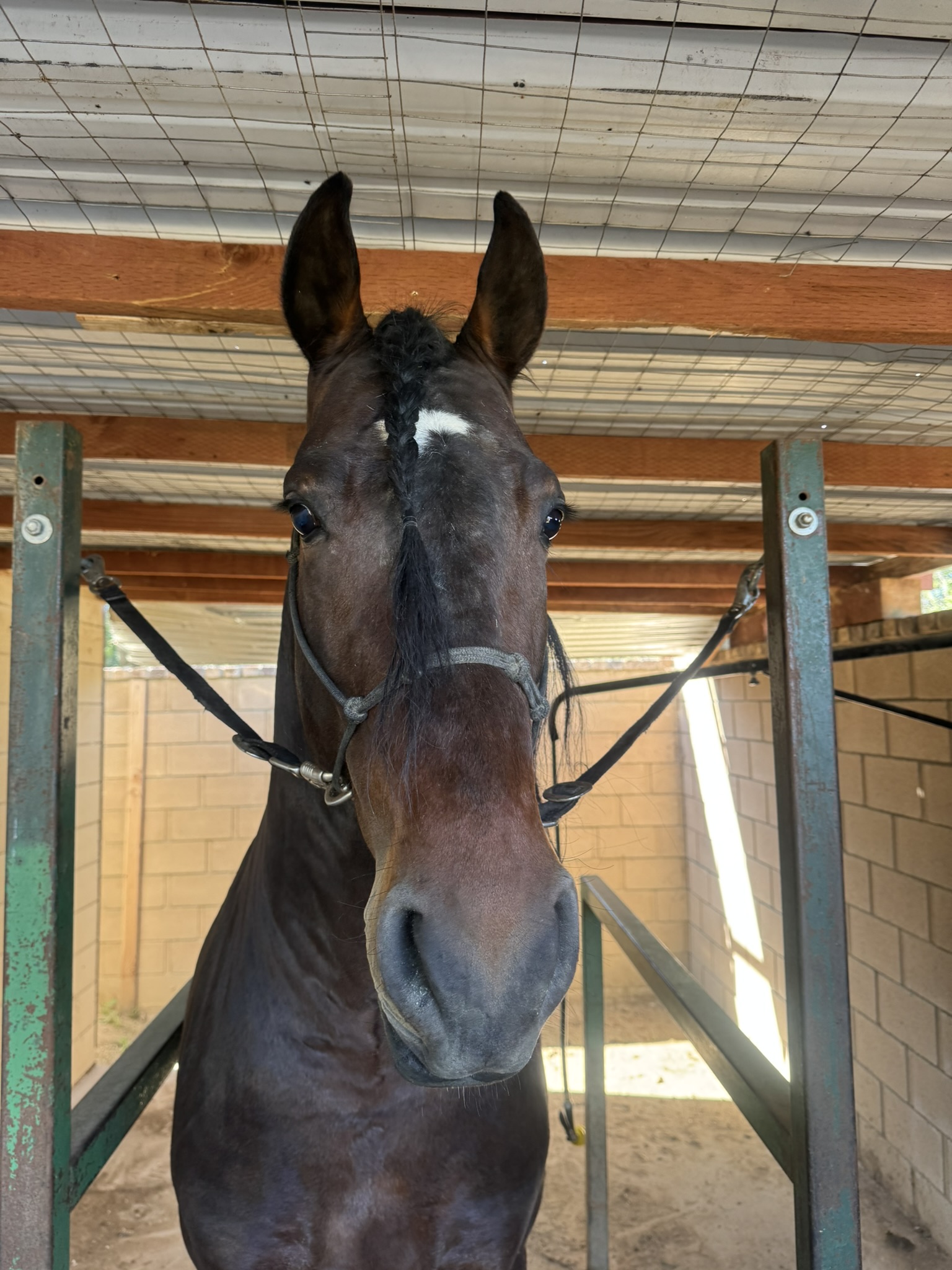
Meet the Lesson Horses of Hussar Stables: Safe, Calm, and Ready to Teach
6 min read
How to Prepare Your Child for Their First Riding Lesson
5 min read
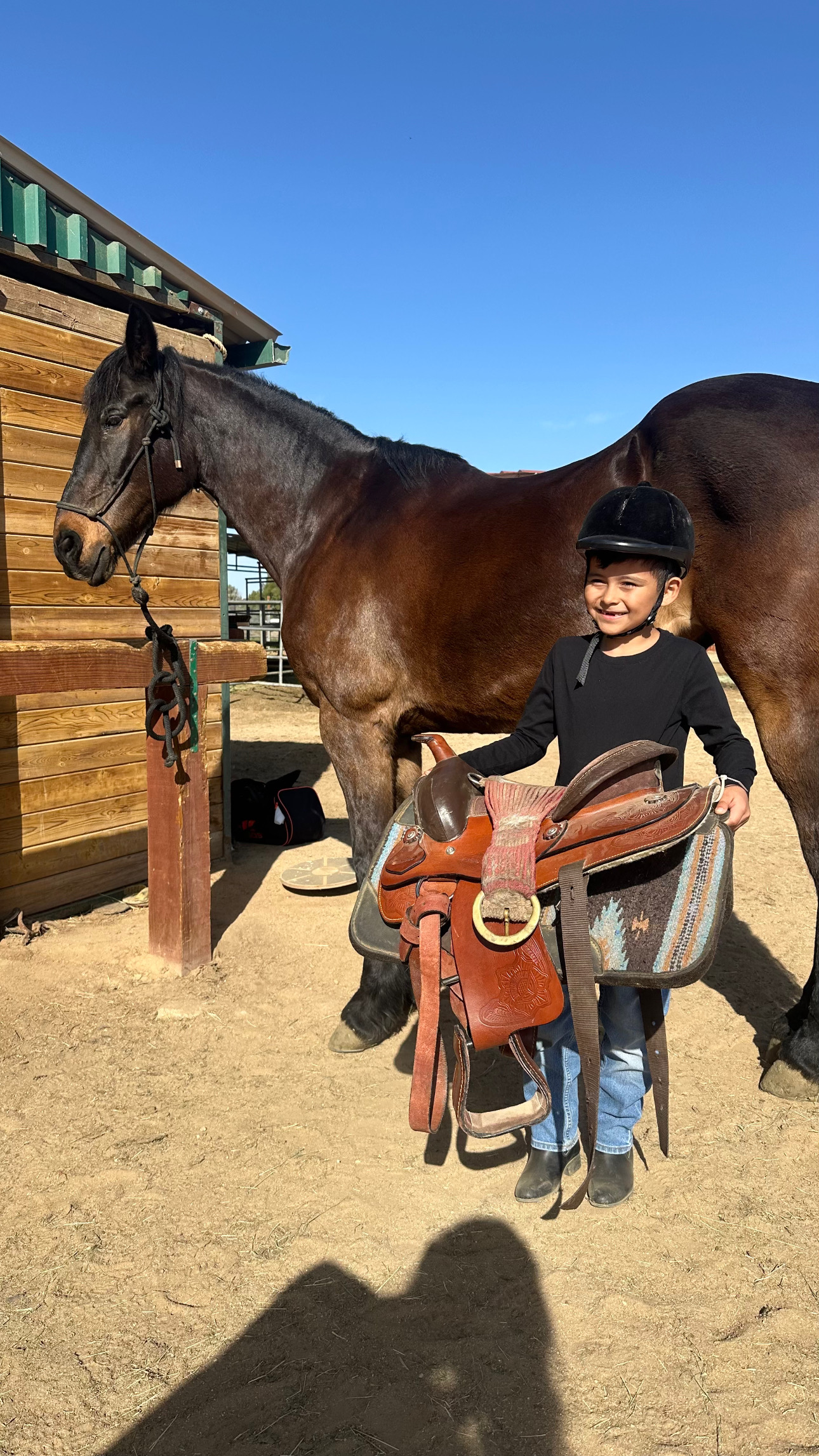
Horse Care 101: What Every New Equestrian Parent Needs to Know
7 min read
Have a question?
Text us — we reply fast.
(661) 227-3214 · Hussar Stables, Palmdale CA
Ready to Experience This in Person?
Book a private Intro Lesson at Hussar Stables and discover why families from Palmdale, Lancaster, and Santa Clarita choose our members-only riding club.
Book Intro Lesson