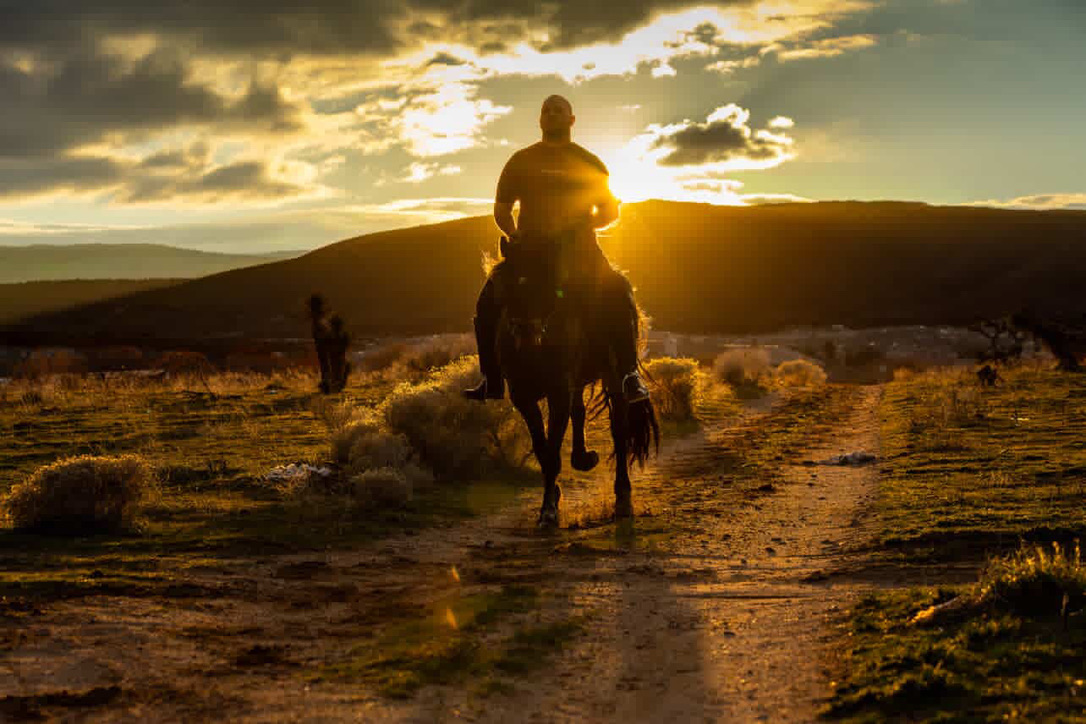
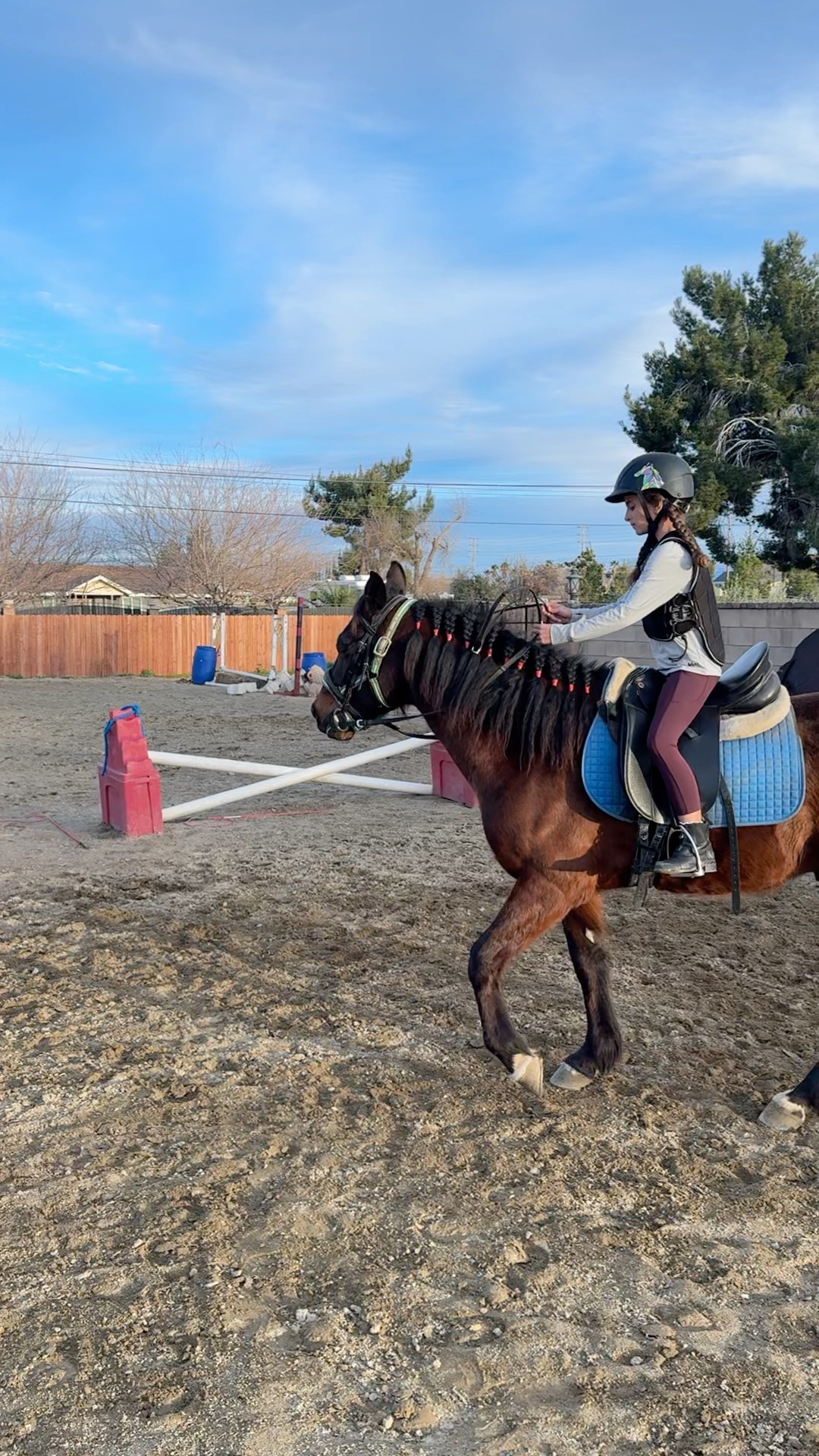
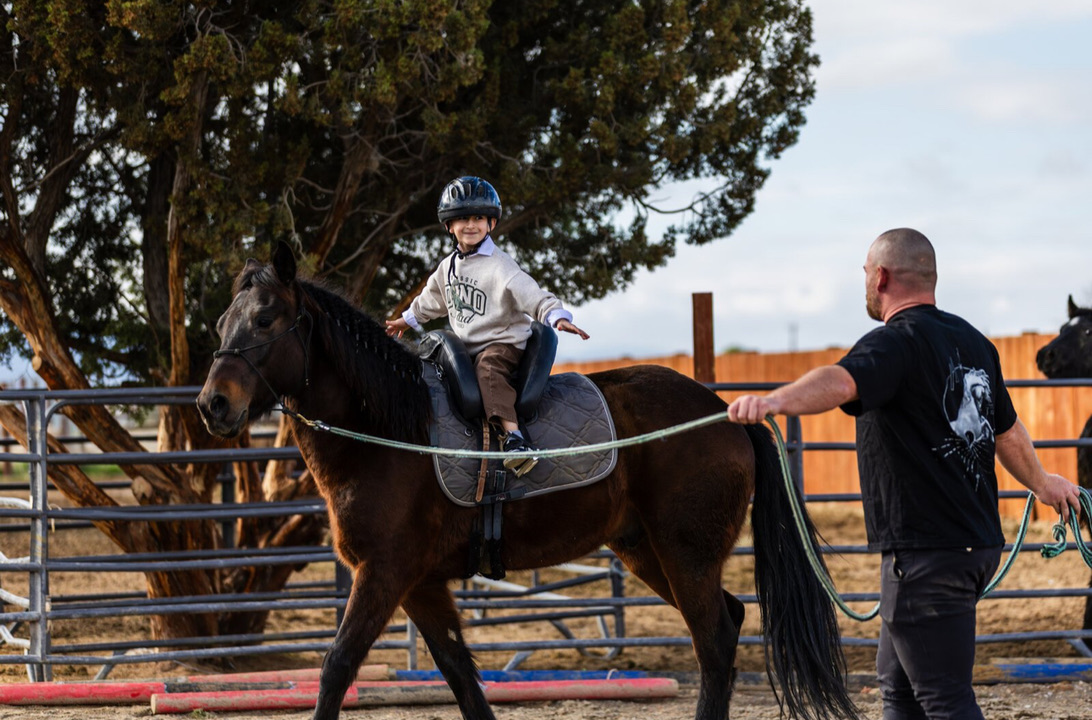
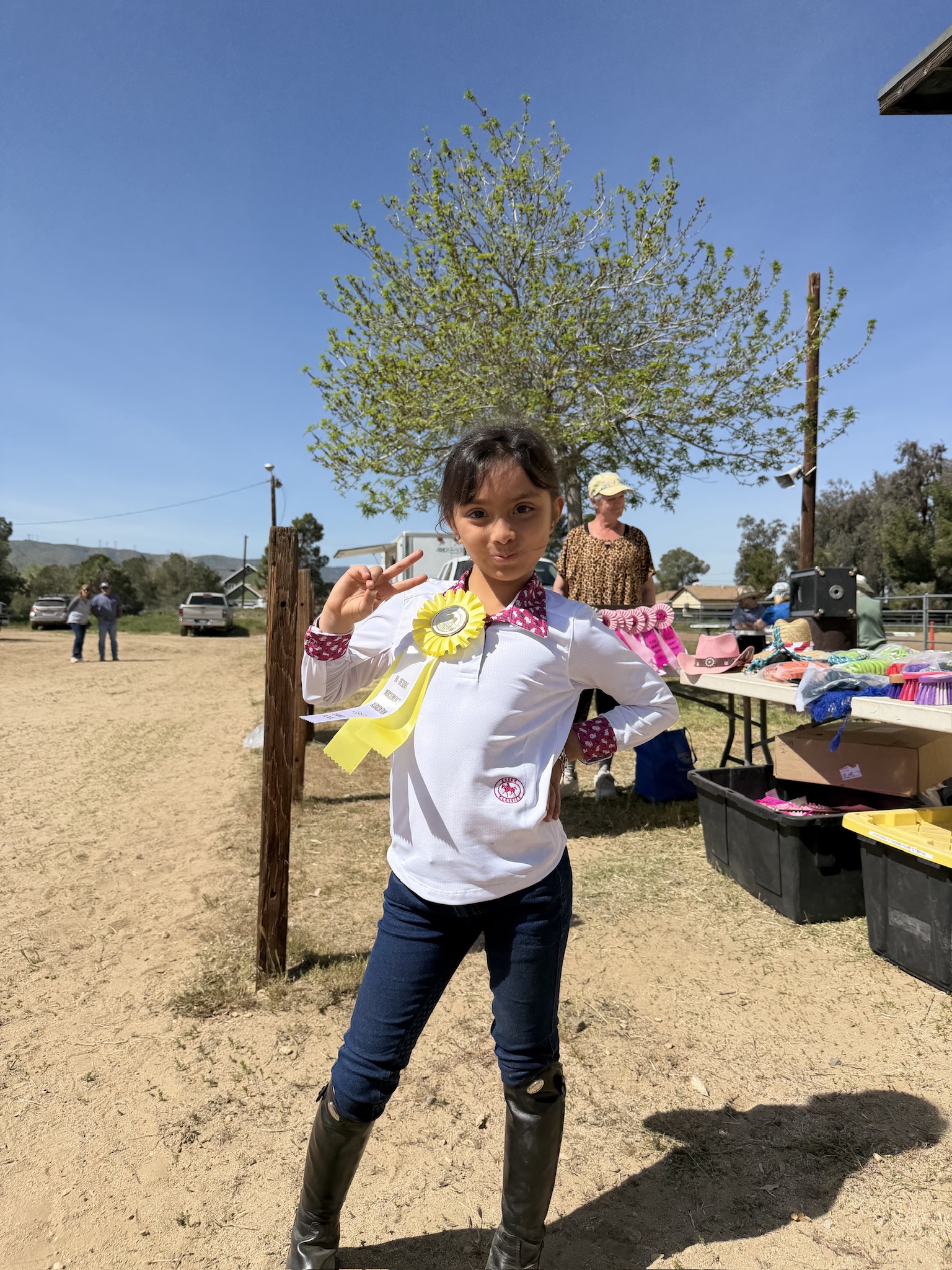
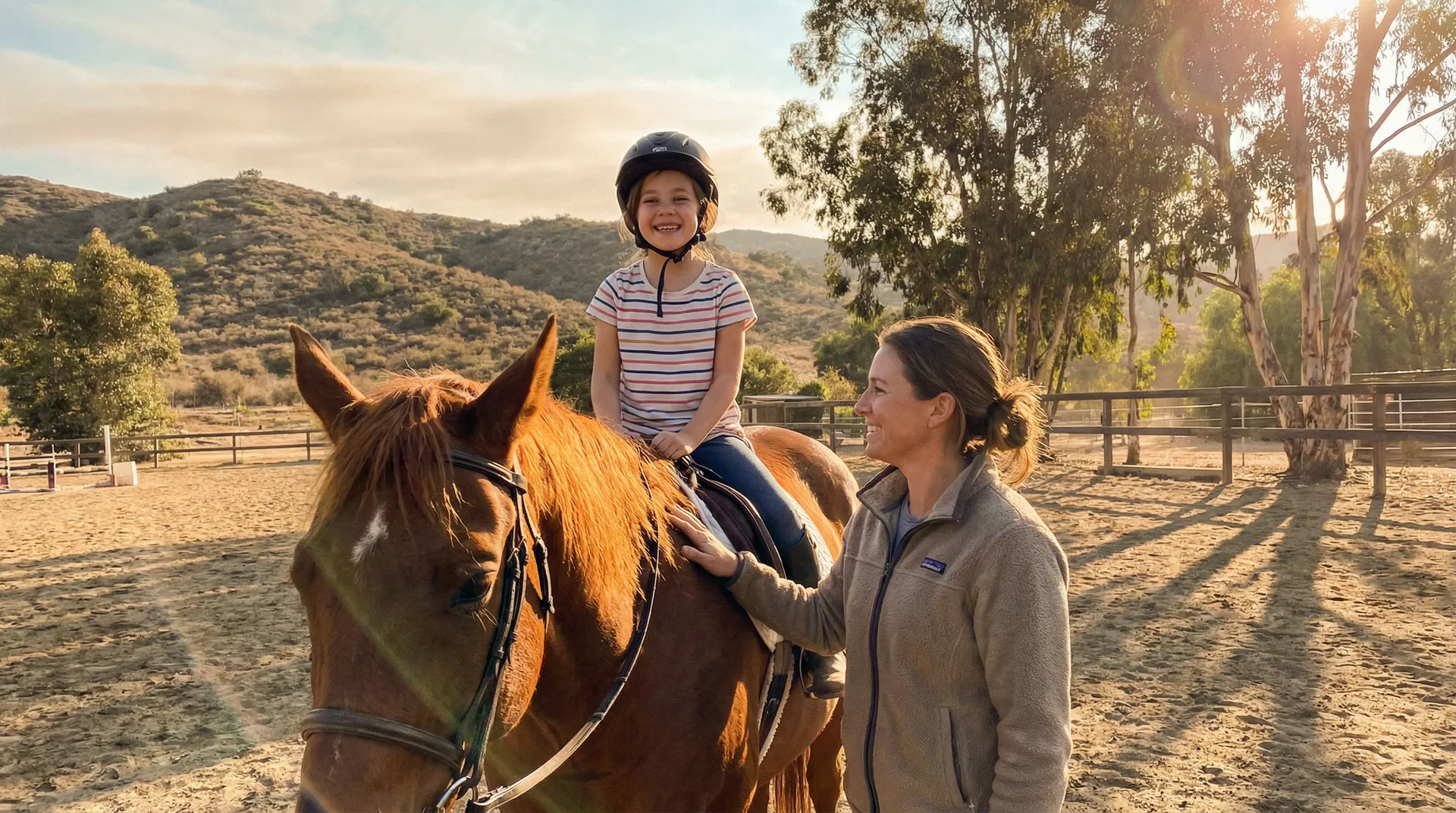
California has one of the most active working equitation communities in the United States. Here is a guide to training resources, competitions, clubs, and how Hussar Stables fits into the California WE scene.
Working equitation in California is governed primarily by Working Equitation USA (WEUSA) and the Western Working Equitation Association (WWEA). California hosts multiple recognized competitions annually, with active clubs in Southern California, the Bay Area, and the Central Valley. Hussar Stables in Palmdale is one of the few dedicated working equitation training facilities in Southern California, serving riders from Los Angeles, the Antelope Valley, and the Inland Empire.
Working equitation is growing faster in the United States than almost any other equestrian discipline. And California — with its year-round riding climate, large horse population, and deep Iberian and vaquero traditions — is one of the best places in the country to pursue it.
If you are a California rider who is curious about working equitation, or an experienced WE competitor looking to understand the state's training and competition landscape, this guide covers what you need to know.
What Is Working Equitation?
Working equitation originated on the cattle ranches of the Iberian Peninsula — Portugal, Spain, and later southern France and Italy. It was developed as a test of the practical skills a mounted stockman needed: the ability to open and close gates on horseback, navigate obstacles at speed, control cattle, and demonstrate the collected, responsive movement that made a horse useful in real working conditions.
The sport has four phases:
Continue Reading · Working Equitation
Complete Guide to Working Equitation: Everything You Need to Know
18 min read
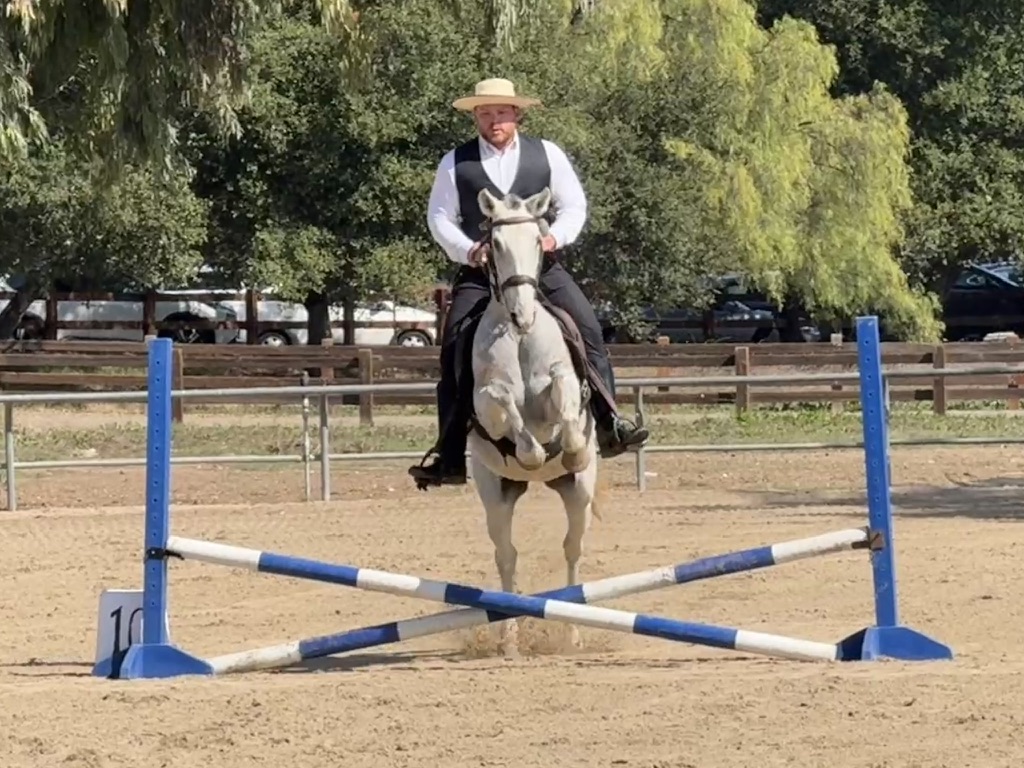
Dressage tests the horse's training and responsiveness through a series of movements performed in an arena. Unlike pure dressage, working equitation dressage emphasizes harmony and lightness over technical perfection.
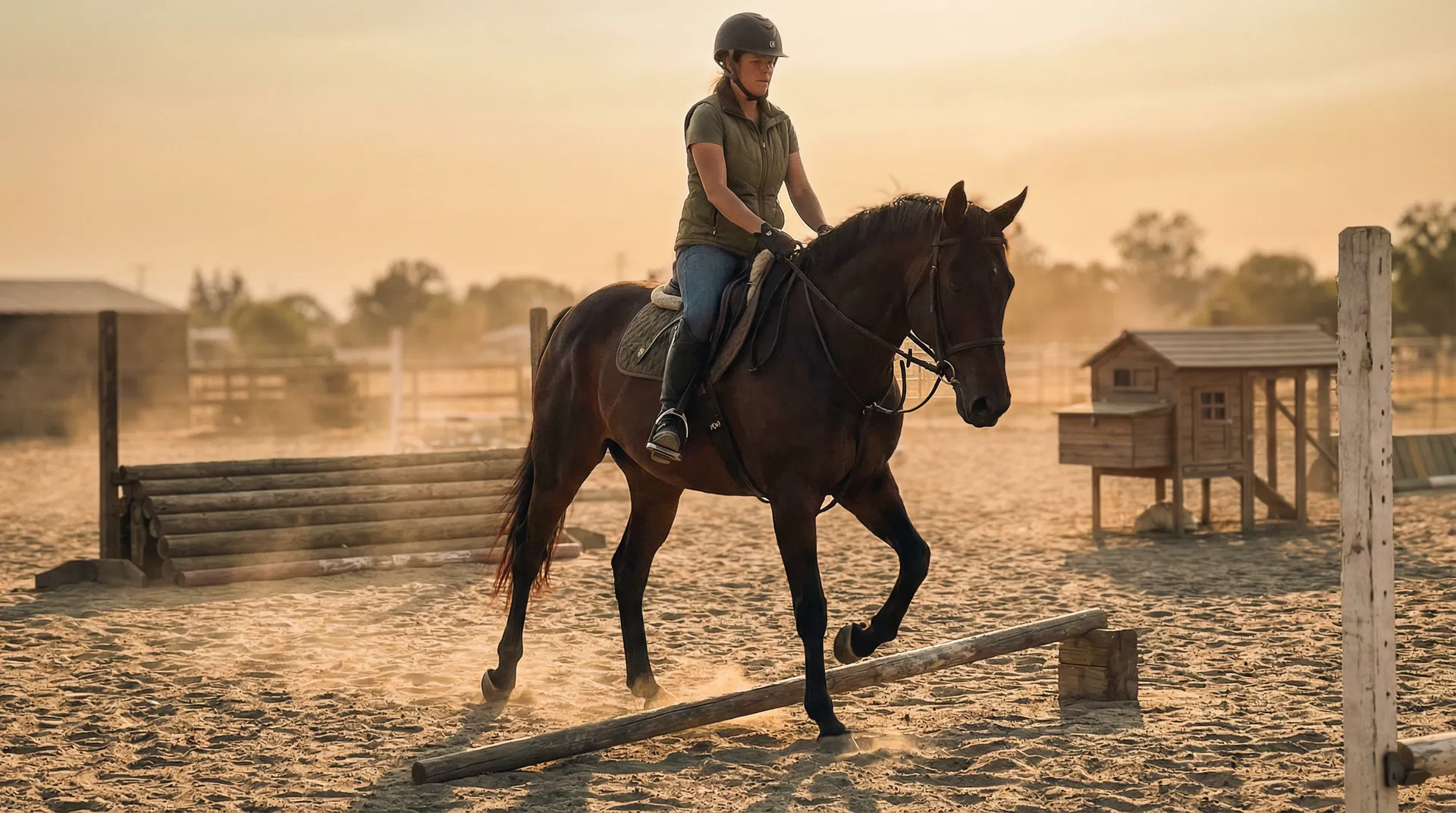
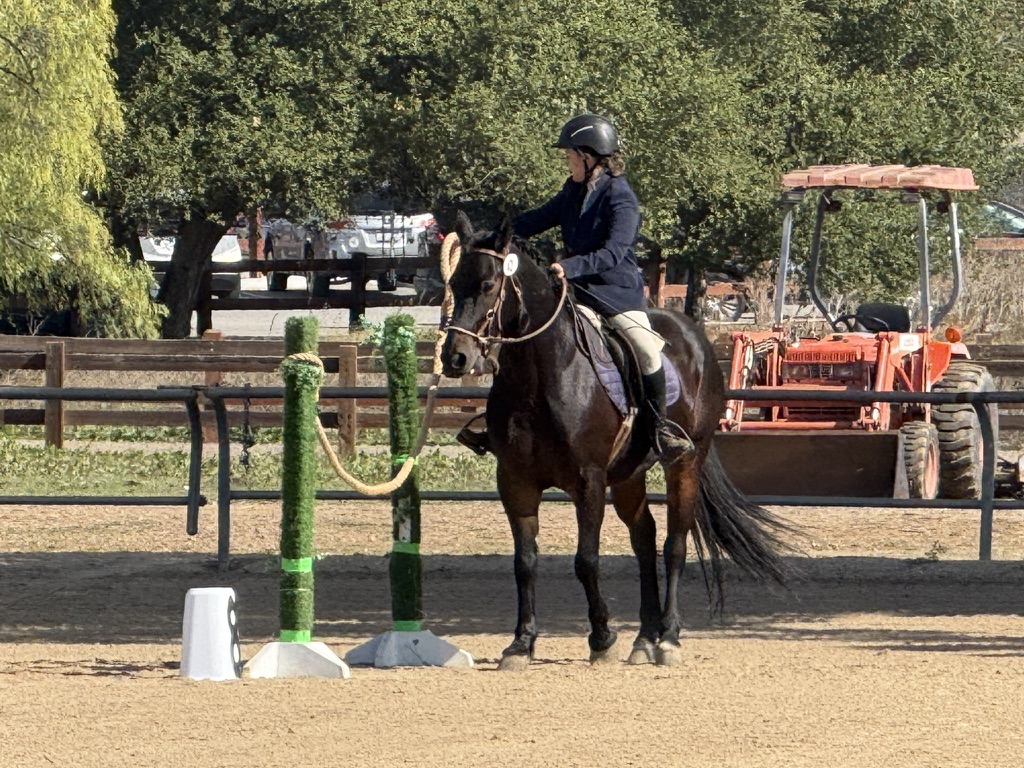
Ease of Handling is the obstacle course phase — the heart of the sport. Riders navigate a series of obstacles that simulate real working tasks: gates, bridges, water troughs, slalom poles, garrocha (lance) work, and more. The emphasis is on precision and the horse's willingness to work calmly through novel challenges.
Speed Trial is the same obstacle course ridden against the clock. This phase tests the horse's athleticism and the rider's ability to maintain control under pressure.
Cattle Phase (at higher competitive levels) tests the horse's ability to separate and control a single animal from a herd — the original purpose of the working horse.
Continue Reading · Working Equitation
What Is Working Equitation? A Complete Guide to the Discipline
8 min read
The combination of classical training, practical obstacles, and cattle work makes working equitation one of the most complete tests of horsemanship in existence.
The California WE Landscape
California's working equitation community is organized under two primary bodies:
Working Equitation USA (WEUSA) is the national governing organization affiliated with the World Association of Working Equitation (WAWE). WEUSA sanctions recognized competitions, certifies judges, and maintains the rulebook that aligns with international standards. California has several WEUSA-affiliated clubs and hosts recognized competitions annually.
Western Working Equitation Association (WWEA) governs the western-style variant of the sport, which uses western tack and vaquero traditions rather than the Iberian-style equipment used in traditional WE. The WWEA has a strong presence in California, reflecting the state's deep vaquero heritage.
Continue Reading · Working Equitation
The History of Working Equitation: From Iberian Cattle Ranches to World Championships
5 min read
Both organizations welcome riders at all levels, from introductory classes for beginners to advanced and master levels for experienced competitors.
Where to Compete in California
California hosts working equitation competitions throughout the year, ranging from schooling shows (informal, lower-pressure events ideal for new competitors) to recognized competitions that count toward national rankings.
Southern California has seen significant growth in WE activity over the past five years. The Los Angeles basin, Inland Empire, and Antelope Valley all have active riders, and schooling shows in the region provide accessible entry points for new competitors.
The Bay Area and Central Valley have established WE communities with longer histories, several active clubs, and regular competition schedules.
Continue Reading · Working Equitation
What to Expect at Your First Working Equitation Show
7 min read
Northern California hosts some of the state's largest recognized competitions, drawing competitors from across the western United States.
For current competition schedules, the WEUSA and WWEA websites maintain updated event calendars. Clinics — often led by visiting trainers from Portugal, Spain, or Brazil — are also regularly held in California and provide intensive training opportunities outside the competition context.
Training for Working Equitation in California
Finding quality working equitation instruction in California requires some research. The sport is growing, but dedicated WE trainers are still less common than general riding instructors or dressage coaches.
What to look for in a WE trainer:
Continue Reading · Working Equitation
Working Equitation Scoring Explained: How Judges Evaluate Your Ride
8 min read
Competition experience. A trainer who has competed in working equitation — not just observed it — understands the demands of each phase and can prepare you for what you will actually encounter at a show.
Classical foundation. Working equitation is built on classical horsemanship. A trainer who understands collection, lateral movements, and the development of the horse's back will produce better WE horses than one who focuses only on the obstacles.
Obstacle access. Training for the ease of handling phase requires actual obstacles — gates, bridges, garrocha poles, slalom, water elements. A facility without obstacles cannot properly prepare you for competition.
Cattle exposure. If you intend to compete at levels that include the cattle phase, your horse needs exposure to cattle before the show pen. This requires either a facility with cattle or regular trips to ranches or sorting events.
Hussar Stables and Working Equitation
Hussar Stables, located in Palmdale in the Antelope Valley, is one of the few facilities in Southern California dedicated to working equitation and classical horsemanship.
Our program is built on the Iberian and Alta Escuela traditions that form the historical foundation of the sport. We train horses and riders in the classical principles — collection, lightness, harmony — that produce the kind of partnership working equitation rewards. Our obstacle work is integrated into every level of training, not treated as a separate module.
We serve riders from across the greater Los Angeles area: the Antelope Valley, Lancaster, Palmdale, Santa Clarita, the San Fernando Valley, and the Inland Empire. The Antelope Valley's terrain — open desert, rocky foothills, sandy washes — also provides exceptional trail riding that complements arena training and develops the bold, forward horse that working equitation requires.
For riders new to working equitation, our program begins with the classical foundation: seat, position, and the development of the horse's responsiveness to subtle aids. Obstacle work is introduced progressively, with the emphasis on the horse's confidence and the rider's feel rather than speed or technical perfection.
For experienced riders looking to develop their competition skills, we offer more advanced work in collection, lateral movements, garrocha technique, and cattle preparation.
Getting Started in California WE
If you are new to working equitation and want to get started in California, here is a practical path:
Step 1: Watch a competition. WEUSA and WWEA competitions are generally open to spectators. Watching a full competition — dressage, ease of handling, and speed trial — gives you a concrete picture of what the sport looks like at various levels.
Step 2: Find a trainer. Look for a trainer with competition experience and a classical foundation. Ask about their own competition record and the horses they have trained. Visit the facility and observe a lesson before committing.
Step 3: Start with the dressage foundation. Before worrying about obstacles, develop the horse's responsiveness and your own seat. A horse that is light, forward, and responsive to subtle aids will navigate the obstacle course far more easily than a horse that is strong or resistant.
Step 4: Enter a schooling show. Schooling shows are low-pressure environments designed for horses and riders who are new to competition. The judging is constructive rather than purely evaluative, and the atmosphere is supportive. This is the right first step before entering a recognized competition.
Step 5: Connect with the community. The working equitation community in California is genuinely welcoming. Online groups, clinic announcements, and local club events are all ways to meet other WE riders, share information, and find training opportunities.
California's combination of climate, terrain, and growing community makes it one of the best places in the country to pursue working equitation. If you are in Southern California and want to explore the sport, Hussar Stables is the place to start.
Upcoming Working Equitation Events in Southern California
The following events are on the 2026 USAWE Region 2 calendar for Southern California and nearby venues. Dates and details are sourced from the [USAWE Region 2 event calendar](https://usawe.org/events/category/region-2/) and individual host organizations. Always confirm details directly with the organizer before entering, as schedules can change.
| Date | Event | Venue | Type |
|---|---|---|---|
| April 25, 2026 | Ring of Fire #1 — Schooling Show & Clinic | Rawking Horse Ranch, Briones, CA | Schooling Show + Clinic |
| May 2–3, 2026 | Wine Country Classic: The Working Equi-Derby (26-036, 26-037) | Hansen Dam Equestrian Center, Shadow Hills, CA | Licensed Show L1–L7 |
| June 6–7, 2026 | Wine Country Classic: We Love WE #1 & #2 (26-032, 26-033) | Kathleen Elliott's Equestrian Training Facility, Murrieta, CA | Licensed Show L1–L7 |
| June 6–7, 2026 | Wine Country Classic: Midsummer Mane Event #1 & #2 (26-038, 26-039) | Rancho Descanso, Valley Center, CA | Licensed Show L1–L7 |
| June 13–14, 2026 | BAWE Ring of Fire #2 & #3 (26-066, 26-067) | Santa Cruz Horseman's Association, Santa Cruz, CA | Licensed Show |
| June 18–21, 2026 | BAWE Moo — Cattle Clinic & Schooling Show | TBA | Clinic + Schooling Show |
| July 12, 2026 | PVRA Independence USAWE Show (26-120) | Poway Valley Riders Association, Poway, CA | Licensed Show |
| July 25–26, 2026 | Wine Country Classic: Home Run Horse Show #1 & #2 (26-041, 26-042) | Fox Canyon Equestrian Center, Somis, CA | Licensed Show L1–L7 |
| August 29–30, 2026 | Wine Country Classic: Summer Lovin' #1 & #2 (26-043, 26-044) | Kathleen Elliott's Equestrian Training Facility, Murrieta, CA | Licensed Show L1–L7 |
| October 2–5, 2026 | 2026 USAWE Region 2 Championship | California Ranch Company, Temecula, CA | Championship |
A few events worth highlighting for Southern California riders:
The Working Equi-Derby (May 2–3, Shadow Hills) is held at Hansen Dam Equestrian Center in Shadow Hills, making it one of the most accessible licensed shows for riders based in the greater Los Angeles area. Shadow Hills is approximately 45 minutes from Palmdale via the 14 and 210 freeways.
The PVRA Independence Show (July 12, Poway) is hosted by the Poway Valley Riders Association, one of the most established WE clubs in Southern California. PVRA runs a full show series and is a welcoming environment for riders entering their first licensed competition.
The 2026 Region 2 Championship (October 2–5, Temecula) at California Ranch Company is the season's marquee event for California WE riders. Competitors who qualify during the regular season can enter at their level; spectators are welcome and the multi-day format makes it an excellent introduction to the sport at its most competitive.
For the most current schedule, entry information, and judge assignments, check the [USAWE Region 2 calendar](https://usawe.org/events/category/region-2/) directly. New events are added throughout the year.
[Contact us](/contact) or [book an Intro Lesson](/book) to learn more about working equitation training at Hussar Stables in Palmdale, CA.
- Working equitation in California is organized under WEUSA and WWEA, with competitions at all levels
- Southern California has a growing WE community with clinics, schooling shows, and recognized competitions
- Any breed can compete — WE is one of the most breed-inclusive equestrian disciplines
- Hussar Stables in Palmdale is a dedicated WE training facility serving the greater Los Angeles area
- The sport has four phases: dressage, ease of handling, speed trial, and cattle (at higher levels)
- California's year-round riding climate makes it one of the best states in the country to develop WE skills
More in Working Equitation
Complete Guide to Working Equitation: Everything You Need to Know
18 min read
What is Working Equitation? A Beginner's Guide to the USA's Fastest-Growing Equestrian Sport
9 min read
Working Equitation vs. Dressage: Understanding the Key Differences
8 min read
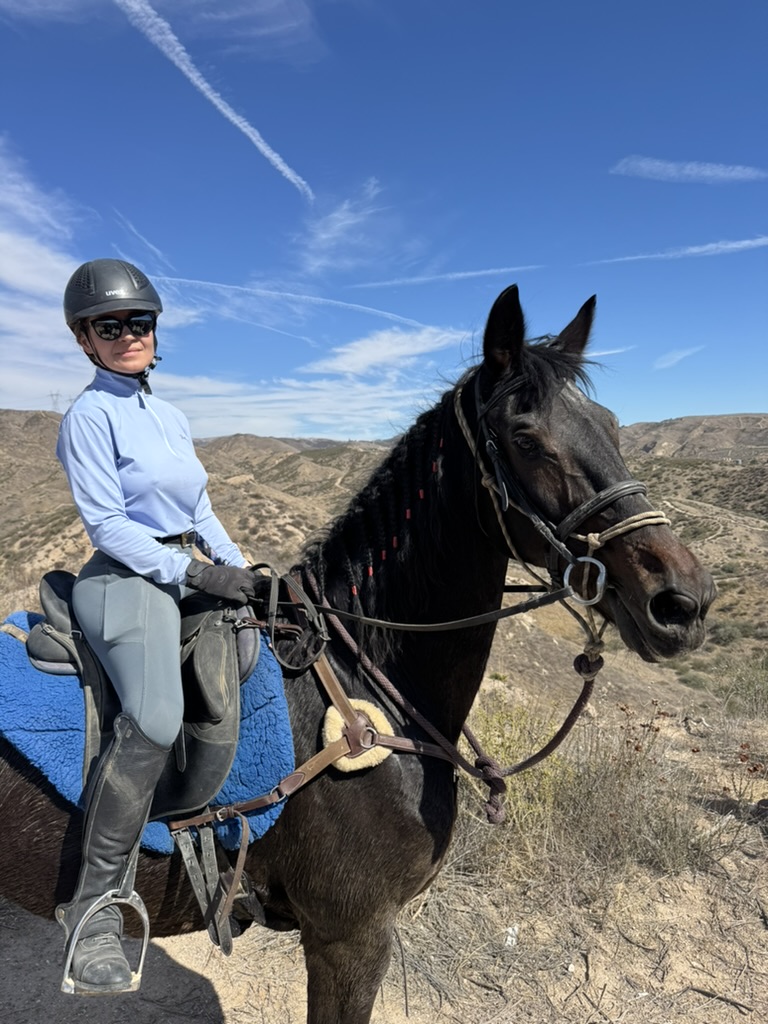
The Essential Gear Guide for Working Equitation Beginners
7 min read
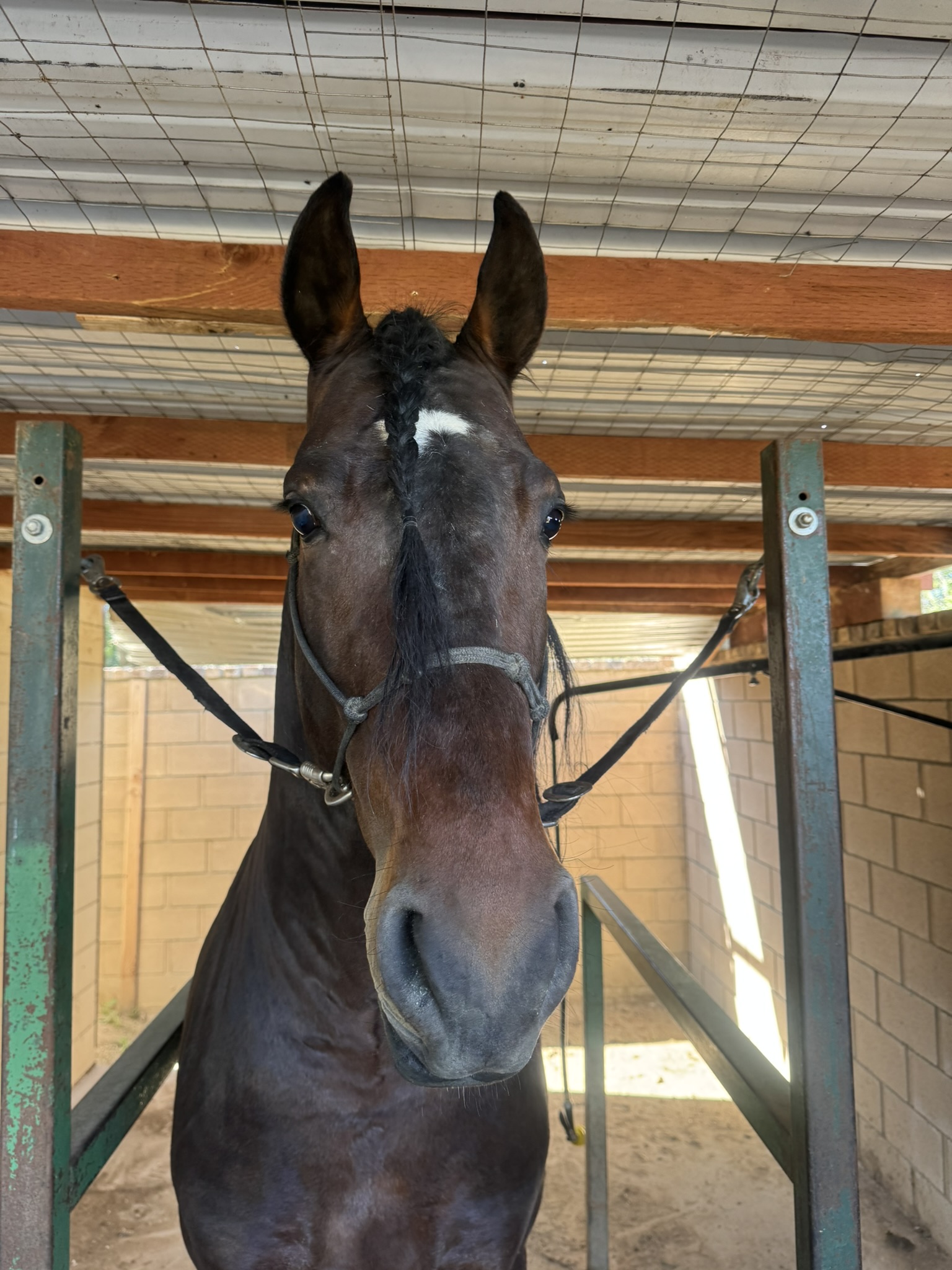
How to Choose the Right Horse Breed for Working Equitation
7 min read
Working Equitation Scoring Explained: How Judges Evaluate Your Ride
8 min read
Have a question?
Text us — we reply fast.
(661) 227-3214 · Hussar Stables, Palmdale CA
Ready to Experience This in Person?
Book a private Intro Lesson at Hussar Stables and discover why families from Palmdale, Lancaster, and Santa Clarita choose our members-only riding club.
Book Intro Lesson