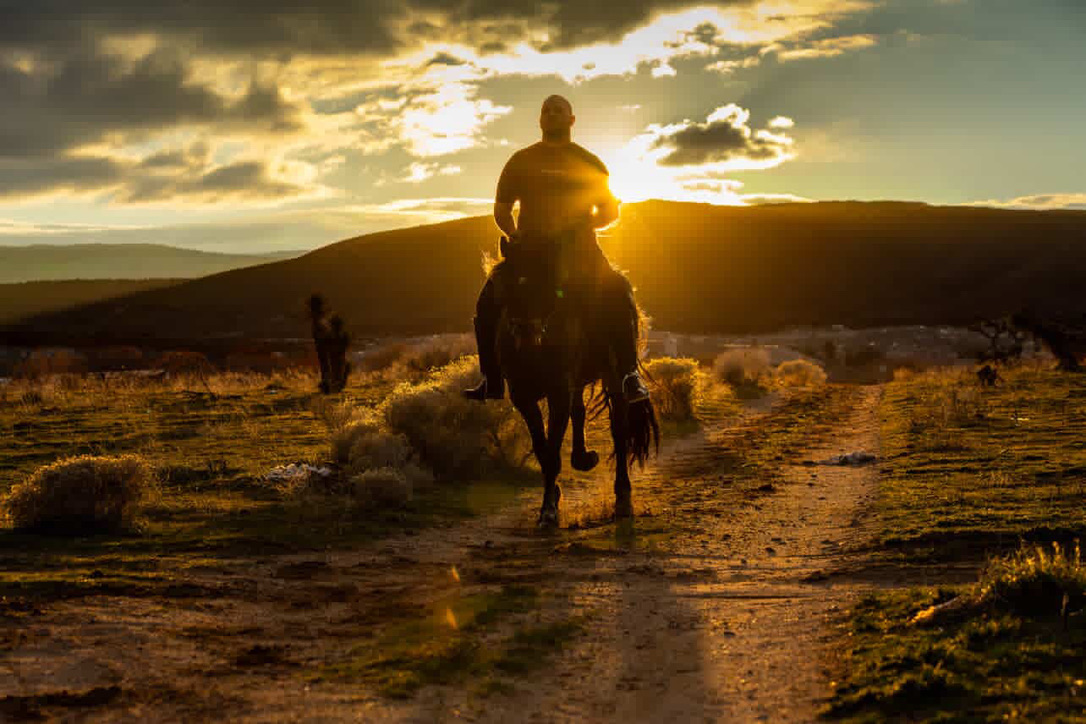
Ask most riders what they need to improve and they will say their leg position. Ask most instructors and they will say core strength. Here is why the instructors are right.
# Horseback Riding and Core Strength: Why Your Abs Matter More Than Your Legs
Ask most riders what they need to improve and they will say their leg position. Ask most instructors and they will say core strength. The instructors are right — and understanding why changes how you approach both your riding and your off-horse fitness.
The Core's Role in Riding
The core is not just the abdominal muscles. It is the entire cylinder of muscles that surrounds the spine and pelvis: the rectus abdominis (the "abs"), the obliques, the transverse abdominis (the deep stabilizing layer), the erector spinae along the back, the multifidus, the pelvic floor, and the diaphragm. Together, these muscles create what sports scientists call intra-abdominal pressure — the internal stability that allows the spine to transmit force without collapsing.
In riding, the core performs two distinct functions simultaneously, and this is what makes it so demanding.
Continue Reading · Riding Technique
Riding Technique: The Complete Guide to Learning and Progressing as an Equestrian
16 min read
Stabilization. The core must maintain the rider's upright posture against the constant movement of the horse. At the walk, the horse's back moves in six directions — up, down, left, right, forward, and a slight rotation — and the rider's spine must absorb all of these movements without collapsing or bracing. A weak core means the rider compensates by gripping with the legs, bracing against the stirrups, or holding tension in the shoulders and arms — all of which interfere with the horse's movement.
Transmission. The core is also the channel through which the rider communicates with the horse. Seat aids — the most sophisticated and effective aids in riding — originate in the pelvis and lower back. A rider who cannot independently control their pelvis cannot use seat aids. A rider who uses seat aids effectively can communicate with the horse without visible movement of the leg or hand, which is the hallmark of advanced riding.
Why Leg Strength Is Not the Answer
The instinct to focus on leg position is understandable. The leg is visible, its position is easy to critique, and it is the first aid most beginners learn to use. But leg strength, in isolation, does not solve the problems that riders most commonly face.
A rider whose leg slides back and forth is not suffering from weak legs — they are suffering from an unstable pelvis that cannot anchor the leg in place. A rider whose heels come up is not suffering from inflexible ankles — they are suffering from a tight hip flexor and weak core that prevents the leg from hanging long and relaxed. A rider who bounces at the trot is not suffering from poor balance — they are suffering from a core that cannot absorb the horse's movement.
Continue Reading · Riding Technique
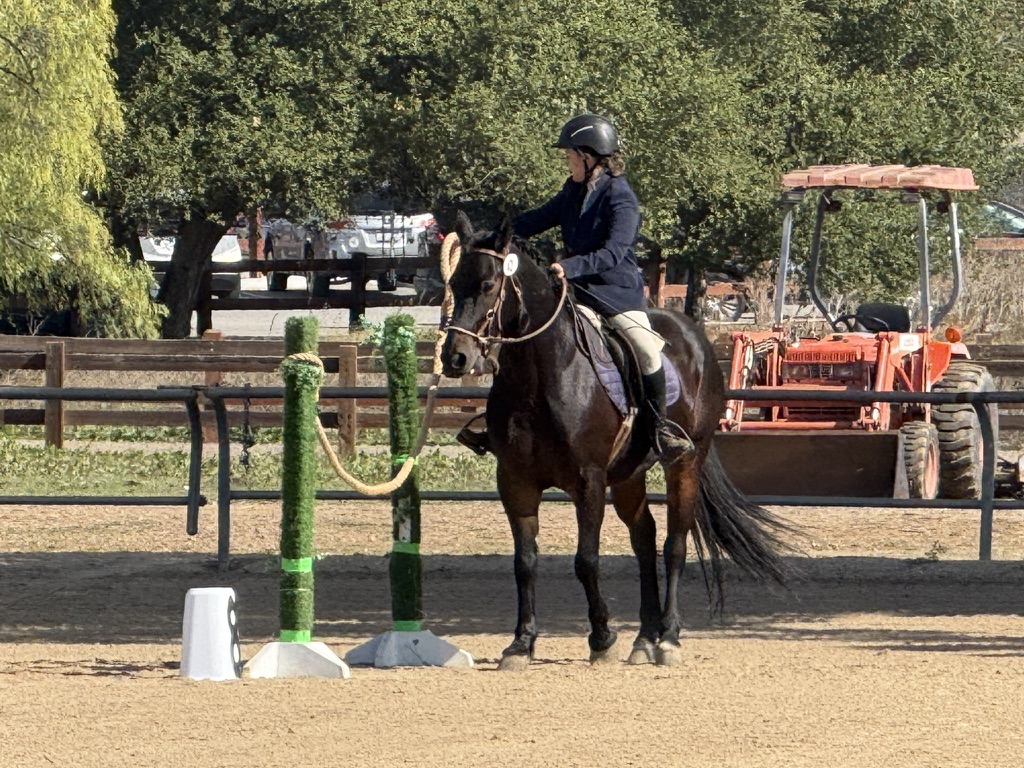
Mastering the Bridge: A Step-by-Step Guide to Working Equitation Obstacles
8 min read
In every case, the root cause is the same: an unstable center that cannot do its job.
The Specific Core Demands of Each Gait
Walk. The walk is the most complex gait in terms of core demand. The horse's back moves in a figure-eight pattern, and the rider's pelvis must follow this movement fluidly. Riders who are stiff or weak in the core produce a walk that is flat and restricted — the horse's natural rhythm is blocked rather than encouraged.
Trot. The trot requires the core to absorb a rhythmic, two-beat impact. In sitting trot, the core must dampen the vertical movement of the horse's back without bracing. In posting trot, the core must stabilize the upper body while the hips move forward and back. Riders who cannot stabilize their core in trot tend to grip with the knee, tip forward, or bounce — all symptoms of the same underlying weakness.
Canter. The canter requires the core to follow a three-beat rocking motion while maintaining an upright posture. The pelvis must swing forward with the horse's motion on each stride. Riders with weak cores tend to get left behind the motion at the canter, sitting back on their tailbone and blocking the horse's hindquarters.
Continue Reading · Riding Technique
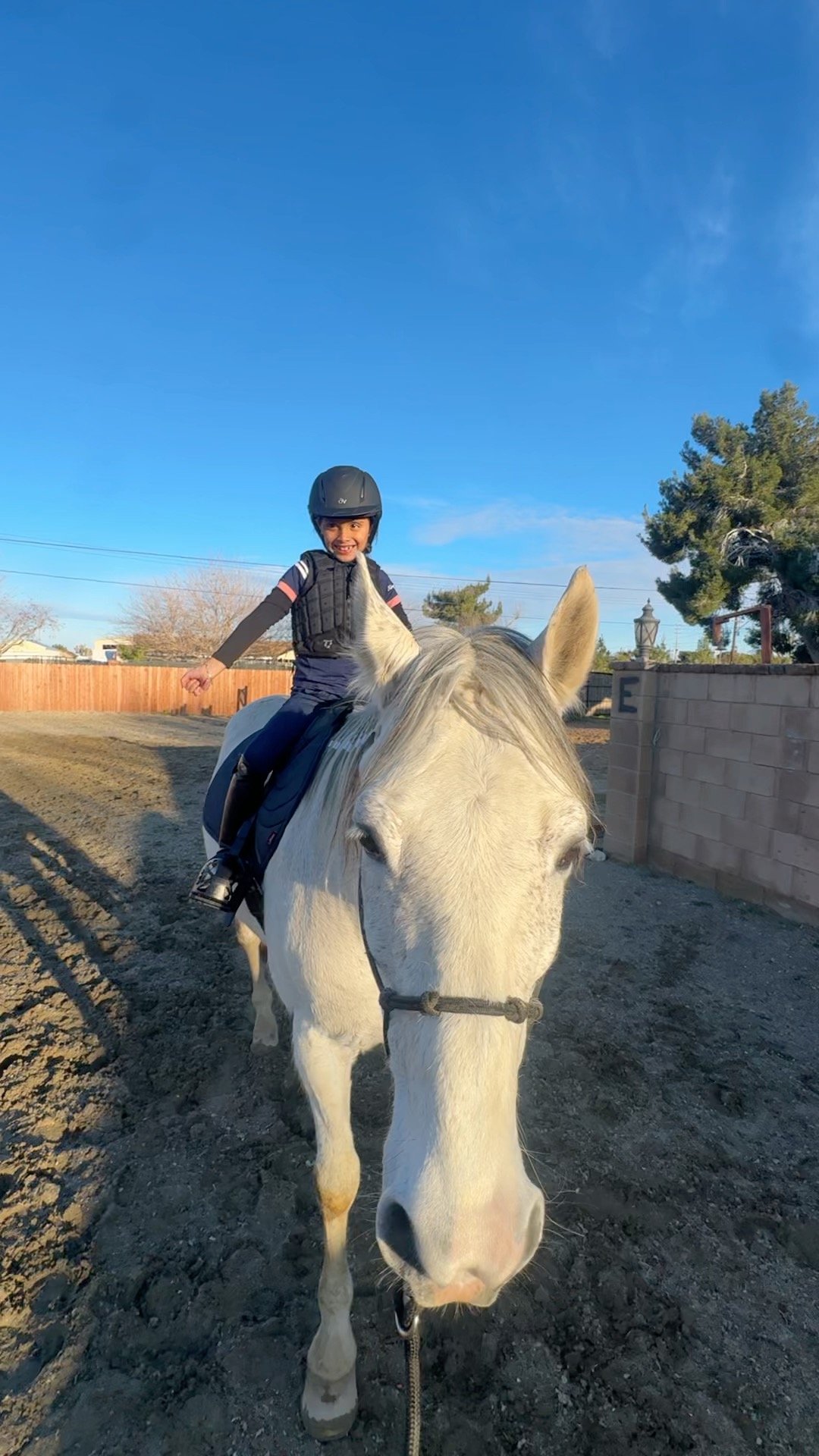
How Alta Escuela Principles Build Better Riders (Even if You Never Compete)
7 min read
Core Exercises That Transfer Directly to Riding
The most effective core exercises for riders are not crunches or sit-ups, which train the rectus abdominis in isolation and have limited transfer to riding. The exercises that transfer best are those that train the core to stabilize the spine under load and through movement — which is exactly what riding requires.
| Exercise | What It Trains | Riding Transfer |
|---|---|---|
| Plank (front and side) | Deep stabilizers, obliques | Upright posture, resisting collapse |
Continue Reading · Riding Technique
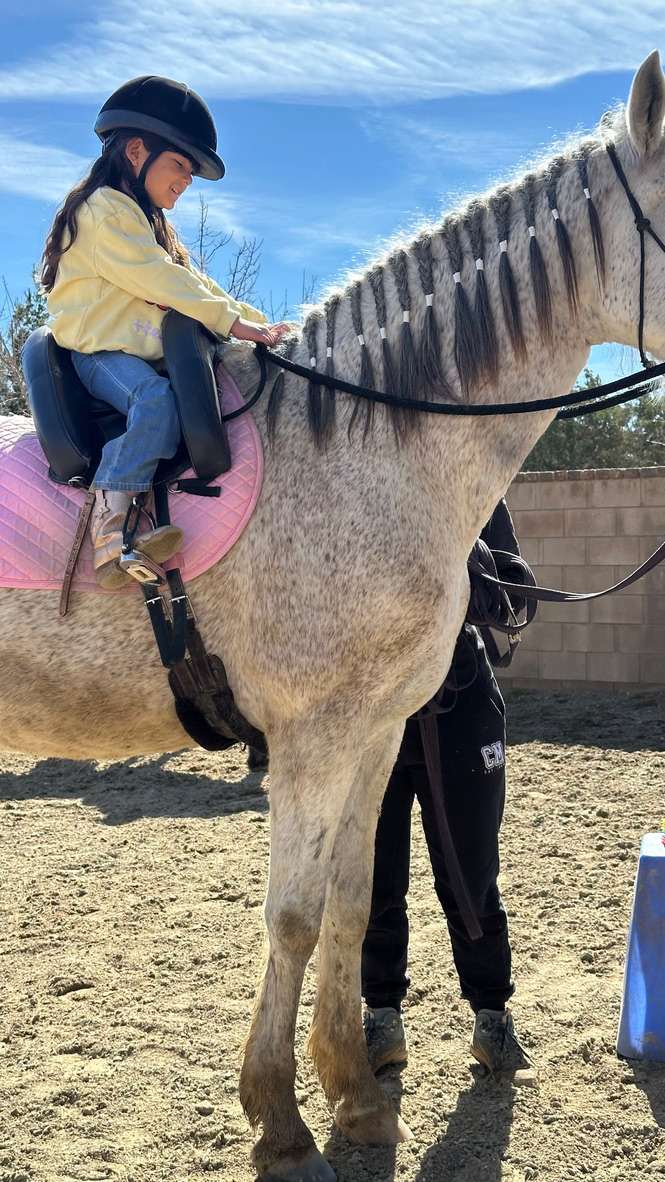
Why Unmounted Horsemanship is Just as Important as Riding
6 min read
| Dead bug | Transverse abdominis, coordination | Independent limb movement while core stays stable |
| Glute bridge | Glutes, lower back, pelvic stability | Seat aids, following the canter |
| Pallof press | Rotational stability | Resisting the horse's lateral movement |
| Single-leg balance | Proprioception, hip stability | Balanced independent seat |
Continue Reading · Riding Technique
How to Prepare Your Horse for the Working Equitation Speed Trial
8 min read
| Pilates hundred | Deep abdominals, breath control | Sustained core engagement throughout a ride |
The key principle in all of these exercises is that the spine remains neutral — neither arched nor rounded — while the limbs move. This is precisely the demand that riding places on the core, and training it off the horse accelerates improvement on the horse significantly.
How to Know If Your Core Is the Limiting Factor
The simplest test is to ride without stirrups for five minutes at the trot. If your position deteriorates significantly — heels come up, upper body tips forward, leg swings — your core is the limiting factor. If you can maintain your position without stirrups, your core is doing its job.
Another reliable indicator is what happens when you try to use a seat aid. If you cannot close your lower back without also tightening your leg or changing your hand position, your core is not yet independent enough to isolate the seat. This is normal for developing riders, but it is the specific gap that targeted core training addresses.
The Long View
Core strength is not a quick fix. It develops over months of consistent training, both on and off the horse. But the return on investment is exceptional. Riders who develop genuine core stability find that every other aspect of their riding improves — their leg hangs quieter, their hands become softer, their aids become clearer, and their horses go more freely.
The legs matter. The hands matter. But the core is what holds everything together.
---
At Hussar Stables in Palmdale, CA, our instructors address core stability as a foundational element of the curriculum from the earliest levels. If you are working on your riding position and feel like you are spinning your wheels, core strength is almost certainly the missing piece.
[Book an Intro Lesson](/book) at Hussar Stables and let our instructors help you identify what is actually holding your riding back.
More in Riding Technique
Riding Technique: The Complete Guide to Learning and Progressing as an Equestrian
16 min read
Mastering the Bridge: A Step-by-Step Guide to Working Equitation Obstacles
8 min read
How Alta Escuela Principles Build Better Riders (Even if You Never Compete)
7 min read
Why Unmounted Horsemanship is Just as Important as Riding
6 min read
How to Prepare Your Horse for the Working Equitation Speed Trial
8 min read
Classical vs. Modern Dressage: What Every Rider Should Know
5 min read
Have a question?
Text us — we reply fast.
(661) 227-3214 · Hussar Stables, Palmdale CA
Ready to Experience This in Person?
Book a private Intro Lesson at Hussar Stables and discover why families from Palmdale, Lancaster, and Santa Clarita choose our members-only riding club.
Book Intro Lesson