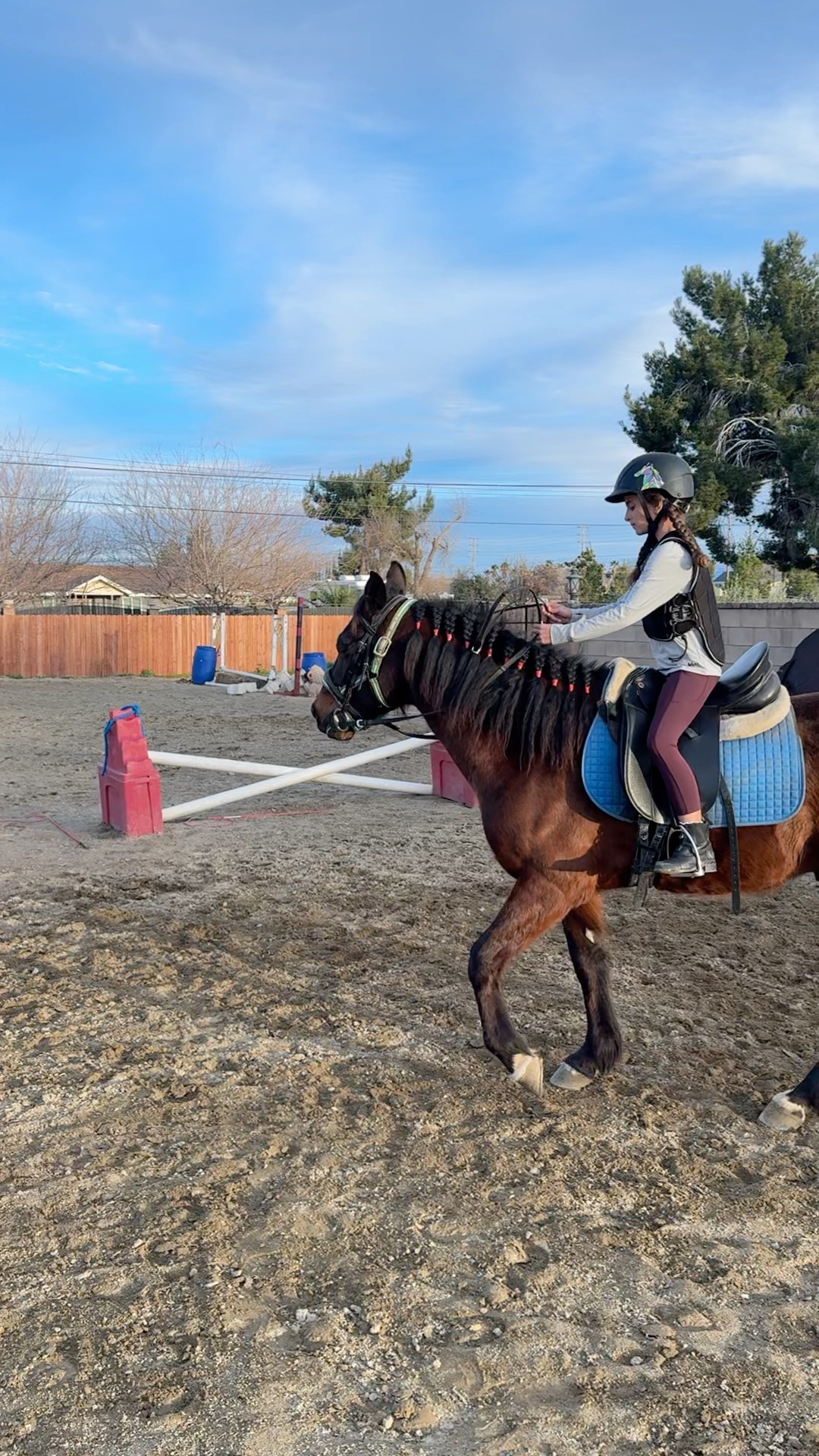
A saddle that fits poorly is uncomfortable for the horse, unsafe for the rider, and a waste of money. Here is exactly what to look for — and what to avoid — when buying your child's first saddle.
# How to Choose the Right Saddle for Your Child: A Parent's Buying Guide
Buying a saddle is one of the larger investments a riding family makes, and it is one of the most common sources of confusion for parents who are new to the sport. The options are bewildering — English, Western, close contact, all-purpose, dressage, synthetic, leather, used, new — and the stakes are real. A saddle that fits poorly is uncomfortable for the horse, unsafe for the rider, and ultimately a waste of money.
This guide cuts through the confusion with the practical information parents need to make a good decision.
The First Question: Does Your Child Need Their Own Saddle?
Before spending anything, consider whether your child actually needs to own a saddle at this stage. Most lesson programs — including Hussar Stables — provide saddles for all lesson horses. A child who rides once a week in a lesson program does not need their own saddle until they are riding frequently enough that a personal fit becomes meaningful, or until they begin competing.
Continue Reading · Cost & Expectations
How Much Does Horseback Riding Cost? A Complete Guide to Pricing and Expectations
12 min read
The point at which owning a saddle makes sense is typically when a child is riding three or more times per week, leasing or owning a horse, or competing regularly. Before that point, the lesson barn's saddles are appropriate and the money is better saved.
Saddle Fit: The Non-Negotiable Foundation
If you do decide to buy a saddle, fit is the single most important factor — more important than brand, price, or appearance. A saddle must fit both the horse and the rider, and these two requirements can conflict.
Fitting the horse means the saddle tree (the internal frame) matches the shape and width of the horse's back. A tree that is too narrow pinches the horse's shoulders and causes pain and resistance. A tree that is too wide rocks on the horse's back and creates pressure points. The saddle must also clear the horse's spine along its entire length — a finger's width of clearance on each side of the spine is the minimum.
The challenge for parents is that a child's saddle needs to fit the horse they will actually be riding — which, in a lesson program, may change. If your child is leasing a specific horse, have a qualified saddle fitter assess the fit before purchasing. If your child rides multiple lesson horses, a saddle with an adjustable gullet (the channel that runs along the spine) provides more flexibility.
Continue Reading · Cost & Expectations
What is a Half-Lease? A Parent's Guide to Horse Leasing in the Antelope Valley
7 min read
Fitting the rider means the seat size is appropriate for the child's body. A child sitting in a saddle should have approximately a hand's width (four finger widths) between the back of their seat and the cantle (the raised back of the saddle). Too much space and the child will slide around; too little and they will feel cramped and perched.
Seat sizes for children's saddles typically range from 14 to 16.5 inches. A 14-inch seat is appropriate for a small child (roughly ages 5–8); a 16-inch seat fits most children ages 10–14. These are guidelines, not rules — have your child sit in the saddle to assess fit directly.
English vs. Western: Which Is Right for Your Child?
The discipline your child is learning determines the type of saddle they need.
| Feature | English Saddle | Western Saddle |
Continue Reading · Cost & Expectations
The Difference Between English and Western Riding: Which is Right for Your Child?
7 min read
|---|---|---|
| Weight | 10–15 lbs | 25–40 lbs |
| Security | Less — rider must develop balance | More — deeper seat, horn to hold |
| Disciplines | Dressage, jumping, WE, trail | Western pleasure, reining, trail |
Continue Reading · Cost & Expectations
How Much Do Horseback Riding Lessons Cost in California? (2025 Breakdown)
6 min read
| Price range (entry level) | $300–$800 used | $400–$1,000 used |
| Maintenance | Moderate | Moderate |
For children learning at Hussar Stables, an all-purpose English saddle is the most versatile choice. It works for flat work, light jumping, trail riding, and Working Equitation, and it is lighter and easier for a child to carry and tack up than a Western saddle.
If your child is specifically learning Western disciplines, a Western saddle with a deep seat and appropriate tree width for their lesson horse is appropriate.
Continue Reading · Cost & Expectations
Is Horseback Riding Worth It? An Honest Cost-Benefit Analysis for Parents
7 min read
Synthetic vs. Leather
Leather saddles are traditional, durable, and beautiful — but they require regular cleaning and conditioning, and quality leather saddles are expensive. Synthetic saddles are lighter, easier to clean (wipe down with a damp cloth), and significantly less expensive. For a child who is still growing and whose saddle will need to be replaced in a few years, a quality synthetic saddle is a practical choice.
Reputable synthetic saddle brands include Wintec (English) and Circle Y (Western). A quality synthetic all-purpose saddle can be purchased new for $400–$600 and will serve a child well for several years.
Buying Used: What to Look For
The used saddle market is large and can offer significant savings, but it requires careful inspection. When evaluating a used saddle:
Check the tree. The tree is the internal frame of the saddle. A broken tree makes the saddle unsafe and unrepairable. To check, hold the saddle with the pommel (front) in one hand and the cantle in the other and try to twist it. A small amount of flex is normal; significant movement or a cracking sound indicates a broken tree. Do not buy a saddle with a broken tree.
Check the leather or synthetic material. Look for cracking, dry rot, stitching that is coming apart (particularly on the stirrup bars and girth straps), and any repairs that look hasty or structurally compromised.
Check the panels. The panels are the padded underside of the saddle that contacts the horse's back. They should be evenly stuffed — press on them and feel for lumps, hard spots, or areas where the stuffing has compressed unevenly. Uneven panels create pressure points on the horse's back.
Have it professionally assessed. If you are spending more than $300 on a used saddle, a saddle fitter's assessment ($50–$100) is money well spent. They can identify issues you might miss and confirm whether the saddle fits the horse it will be used on.
What to Budget
| Scenario | Recommended Budget |
|---|---|
| Child in lessons 1x/week, no horse | $0 — use barn saddles |
| Child leasing a horse, riding 3x/week | $400–$700 (quality used or synthetic new) |
| Child competing regularly | $600–$1,200 (quality used leather or new synthetic) |
| Child with own horse, serious competitor | $1,000–$2,500+ (quality leather, professionally fitted) |
A Note on Saddle Pads
A saddle pad does not fix a poorly fitting saddle. Thick pads are sometimes used to compensate for a saddle that is too wide, but this is a temporary measure at best and can create new pressure points. Buy a saddle that fits, then add a pad for protection and comfort — not to correct fit problems.
---
At Hussar Stables, we are happy to advise members on saddle selection and can recommend local saddle fitters in the Antelope Valley area. If your child is approaching the point where owning a saddle makes sense, speak with your instructor before making a purchase.
[Book an Intro Lesson](/book) at Hussar Stables and start your child's riding journey with the right foundation.
More in Cost & Expectations
How Much Does Horseback Riding Cost? A Complete Guide to Pricing and Expectations
12 min read
What is a Half-Lease? A Parent's Guide to Horse Leasing in the Antelope Valley
7 min read
The Difference Between English and Western Riding: Which is Right for Your Child?
7 min read
How Much Do Horseback Riding Lessons Cost in California? (2025 Breakdown)
6 min read
Is Horseback Riding Worth It? An Honest Cost-Benefit Analysis for Parents
7 min read
What to Expect in Your First Month of Riding Lessons
5 min read
Have a question?
Text us — we reply fast.
(661) 227-3214 · Hussar Stables, Palmdale CA
Ready to Experience This in Person?
Book a private Intro Lesson at Hussar Stables and discover why families from Palmdale, Lancaster, and Santa Clarita choose our members-only riding club.
Book Intro Lesson