What does a safe first riding lesson actually look like? What should you ask the instructor? What gear does your child need? This guide answers every safety question parents have before their child gets on a horse for the first time.
A safe first horseback riding lesson for children requires an ASTM/SEI-certified helmet, appropriate footwear with a heel, a calm horse selected specifically for beginners, a qualified instructor with a clear safety briefing, and a controlled environment. Parents should ask about the school's safety record, how horses are matched to beginners, and what the lesson structure looks like before booking.
The most common question parents ask before their child's first riding lesson is not about the horses, the instructor, or the facility. It is: is this safe?
It is the right question. Horseback riding involves large animals, height, movement, and a degree of unpredictability that other children's activities do not. Understanding what makes a first lesson safe — and what to look for in a program — is the most useful thing a parent can do before booking.
This guide covers everything: gear, horses, instructors, lesson structure, and the questions you should ask before your child gets on a horse for the first time.
The Helmet: Non-Negotiable
The single most important piece of safety equipment in horseback riding is the helmet. Not a bicycle helmet, not a skateboard helmet — a riding-specific helmet that meets ASTM F1163 and SEI certification standards. These standards are designed specifically for the impact profile of a fall from a horse, which is different from a fall from a bicycle.
Continue Reading · Kids & Families
Complete Guide to Horseback Riding for Kids: What Every Parent Needs to Know
14 min read
The helmet must fit correctly. It should sit level on the head, two finger-widths above the eyebrows, and should not rock forward, backward, or side to side when the child shakes their head. The chin strap should be snug enough that you cannot fit more than two fingers between the strap and the chin.
Many riding schools have helmets available to borrow for a first lesson. If you are borrowing, inspect the helmet for cracks, dents, or signs of previous impact. A helmet that has been dropped or struck should be replaced. If your child continues riding, investing in a properly fitted personal helmet is worthwhile.
Footwear: The Overlooked Safety Item
After the helmet, footwear is the most important safety consideration. The foot must not be able to slip through the stirrup — if a child falls and the foot catches in the stirrup, the consequences can be severe.
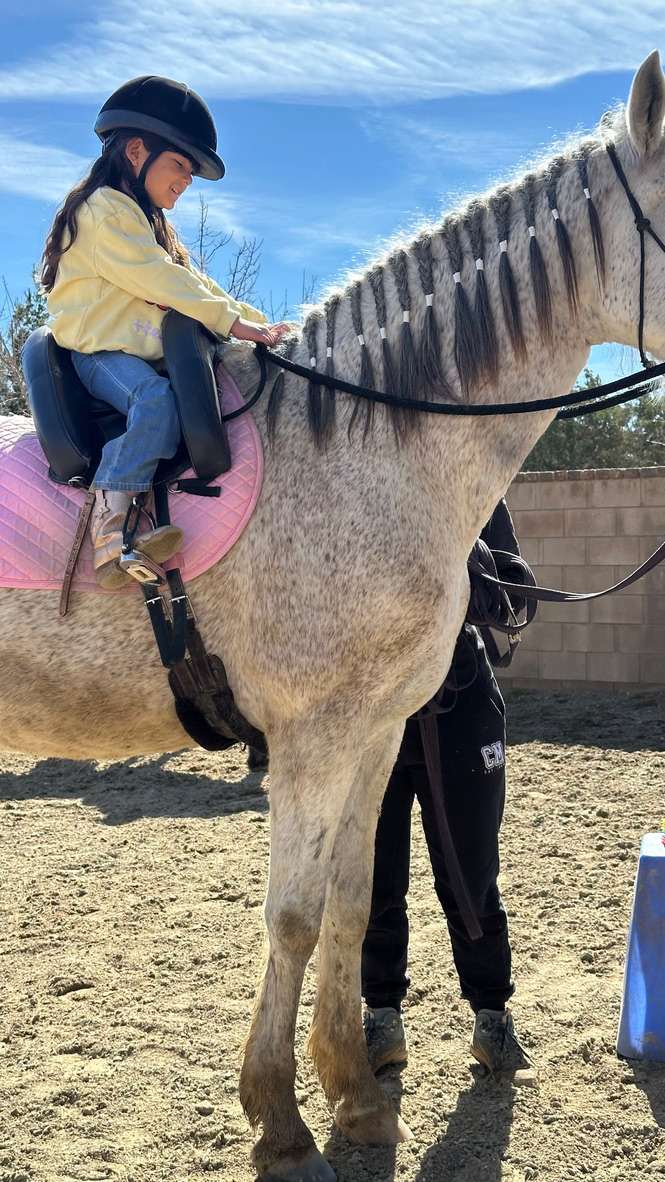
Riding boots or any shoe with a heel of at least half an inch and a smooth sole are appropriate. Sneakers, sandals, and boots with deep lug soles are not. The heel prevents the foot from sliding through the stirrup; the smooth sole allows the foot to release easily if needed.
Continue Reading · Kids & Families
Horseback Riding Lessons for Children in Palmdale: What Every Parent Needs to Know
7 min read
For a first lesson, most children can manage with a pair of boots that have a modest heel. Dedicated riding boots are not necessary until a child is riding regularly.
The Horse: What to Ask
The horse matters as much as the instructor. A calm, well-trained beginner horse makes a first lesson safe and enjoyable. A horse that is too sensitive, too energetic, or poorly matched to a child's size and experience level makes it stressful and potentially dangerous.
Before booking, ask the school how they select horses for beginner children. Good answers include: the horse has a documented history of working with beginners, the horse is assessed regularly for temperament and soundness, and the horse is matched to the child's size and experience level. Vague answers — "our horses are all gentle" — are less reassuring.
Also ask about the horse's size. A child should be able to mount and dismount with assistance, and the horse should not be so large that the child feels overwhelmed. For young children, a pony or small horse is often more appropriate than a full-sized horse.
Continue Reading · Beginners
What Happens During Your First Horseback Riding Lesson at Hussar Stables
5 min read
The Instructor: What Qualifications Matter
Instructor certification varies by country and organization. In the United States, certifications from the Certified Horsemanship Association (CHA) or the United States Equestrian Federation (USEF) indicate a baseline of training and safety knowledge. These are not guarantees of quality, but they indicate that the instructor has met a recognized standard.
Beyond certification, look for an instructor who:
Conducts a safety briefing before the lesson begins. This should cover how to approach the horse, what to do if the horse moves unexpectedly, and how to stop if something goes wrong.
Spends time on the ground before mounting. A first lesson that goes directly to riding without any groundwork is a red flag. Children need to understand how to be around horses before they get on one.
Continue Reading · Safety
Horseback Riding Safety: The Complete Guide for Beginners and Parents
13 min read
Maintains a calm, clear communication style. Children respond to calm instructors. An instructor who is rushed, distracted, or uses a sharp tone with the horse or the child is not the right fit for a beginner.
Keeps the lesson appropriately short. A first lesson for a young child should be 30–45 minutes. Longer lessons lead to fatigue, which leads to inattention, which leads to accidents.
What a Safe First Lesson Looks Like
At Hussar Stables, a first lesson follows a consistent structure that prioritizes safety and confidence-building over speed.
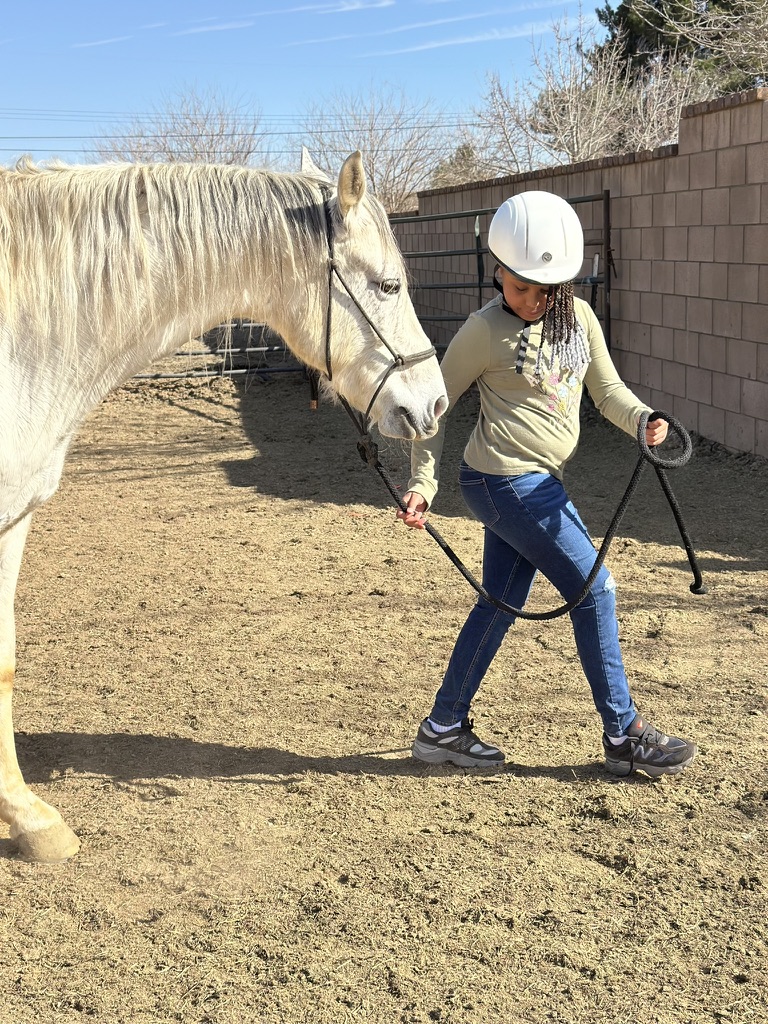
The lesson begins on the ground. The child meets the horse, learns how to approach it safely, and practices basic groundwork — leading, stopping, and standing quietly. This phase typically takes 10–15 minutes and establishes the child's relationship with the horse before any riding begins.
Mounting is done with full assistance and is explained step by step. The child is never rushed. Once mounted, the instructor checks the stirrup length, the child's position, and the fit of the helmet before any movement begins.
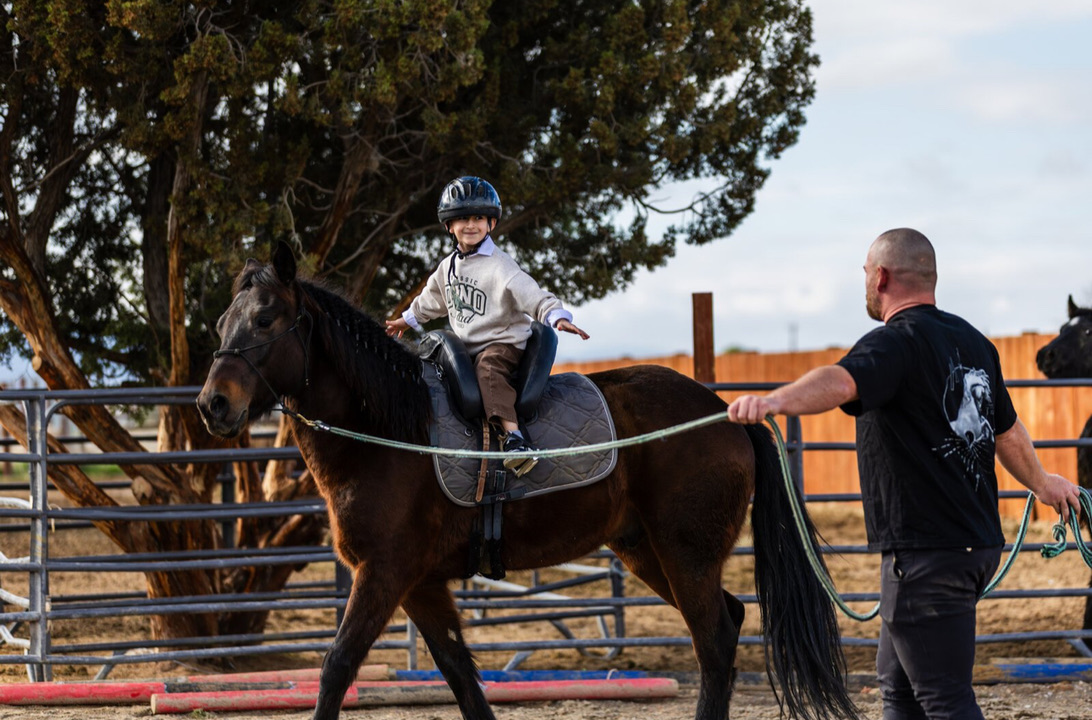
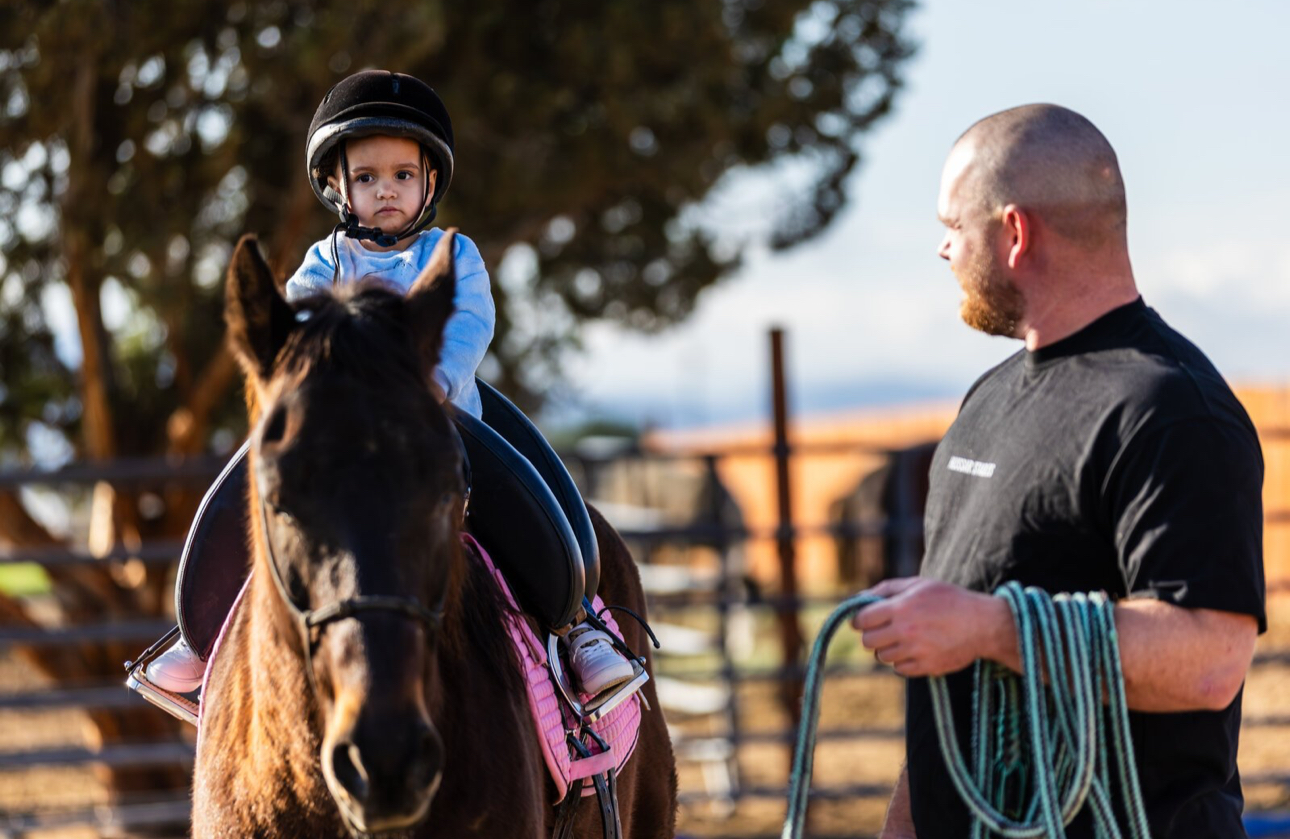
The riding portion of a first lesson stays at a walk, on a lead line, in an enclosed arena. The instructor walks alongside, giving clear, simple instructions and monitoring the child's comfort and confidence throughout. The lesson ends before the child is tired.
After dismounting, the child helps with basic horse care — brushing, offering a treat — which reinforces a positive association with the experience.
What Age Is Right to Start
Children as young as four or five can begin with leadline lessons, where the horse is led by an adult and the child focuses entirely on balance and position. Independent riding — where the child controls the horse themselves — typically becomes appropriate around age six or seven, depending on the child's physical development, attention span, and confidence.
There is no benefit to starting before a child is ready. A child who is frightened or overwhelmed in their first lesson is less likely to continue. A child who has a positive, confidence-building first experience is more likely to develop a lasting relationship with riding.
If you are unsure whether your child is ready, a single intro lesson is the best way to find out. A good instructor will give you honest feedback about whether your child is ready to continue.
Questions to Ask Before Booking
Before booking a first lesson at any facility, ask:
- What helmet standards do you require, and do you have loaners available?
- How do you select horses for beginner children?
- What does the first lesson structure look like?
- What is the instructor-to-student ratio?
- What is your safety record, and how do you handle incidents?
- Is the arena enclosed?
A facility that answers these questions clearly and confidently is a facility that takes safety seriously. A facility that deflects or gives vague answers deserves more scrutiny.
Hussar Stables offers structured intro lessons for children in Palmdale, CA. [Book an intro lesson](/book) and we will walk you through everything before your child gets on a horse.
- An ASTM/SEI-certified riding helmet is non-negotiable — bicycle helmets are not safe substitutes
- Footwear must have a heel of at least half an inch to prevent the foot from slipping through the stirrup
- The horse matters as much as the instructor — ask how beginner horses are selected and assessed
- A good first lesson spends significant time on the ground before the child mounts
- Children as young as 4–5 can start with leadline lessons; independent riding typically starts around 6–7
- Hussar Stables uses a structured intro lesson format with a safety briefing, ground work, and supervised riding
More in Kids & Families
↑ Back to complete guideComplete Guide to Horseback Riding for Kids: What Every Parent Needs to Know
14 min read
The Ultimate Guide to Horseback Riding Lessons for Kids in the Antelope Valley
7 min read
Why We Don't Do Drop-In Lessons: The Benefits of a Riding Club Membership
6 min read
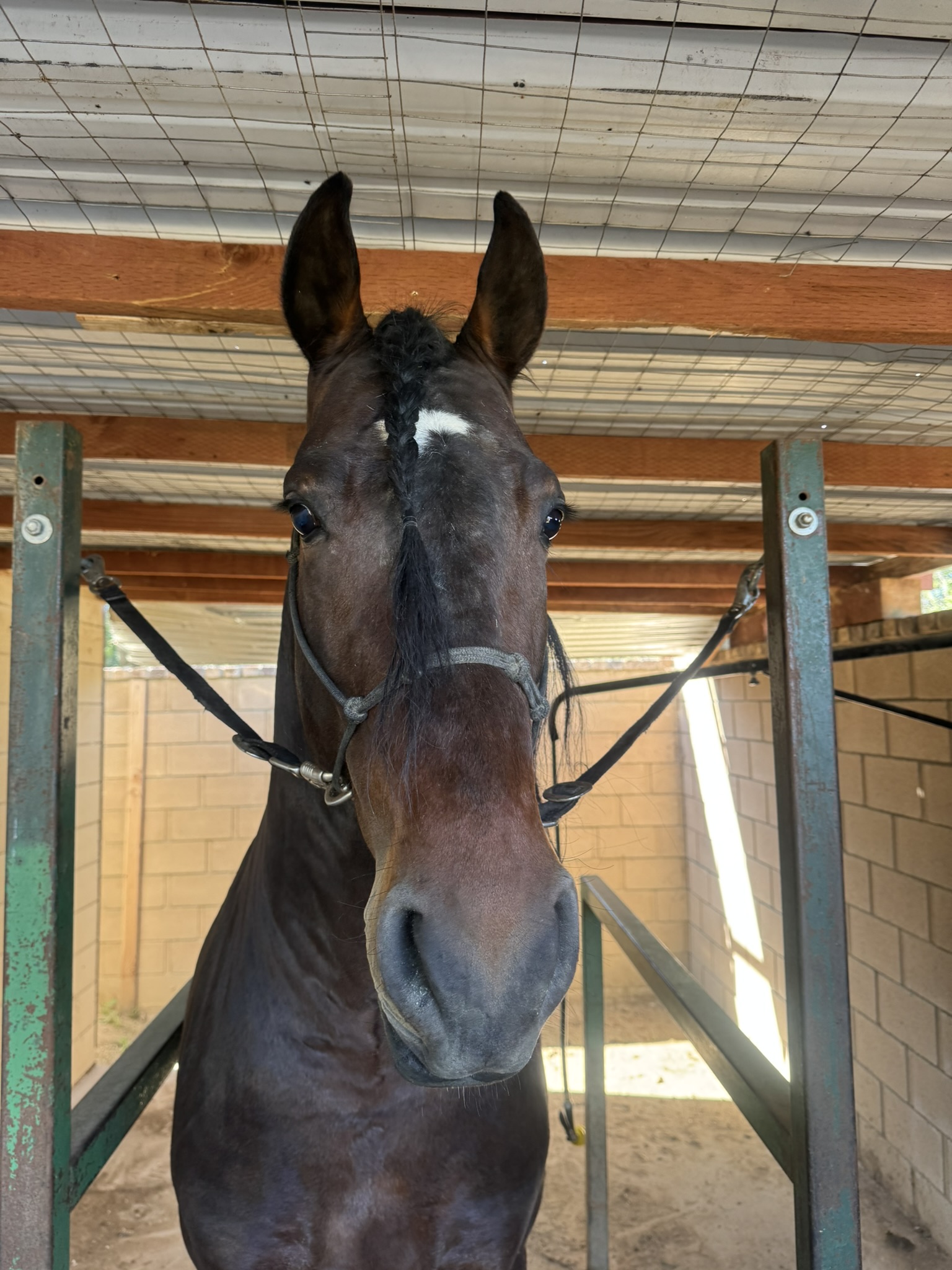
Meet the Lesson Horses of Hussar Stables: Safe, Calm, and Ready to Teach
6 min read
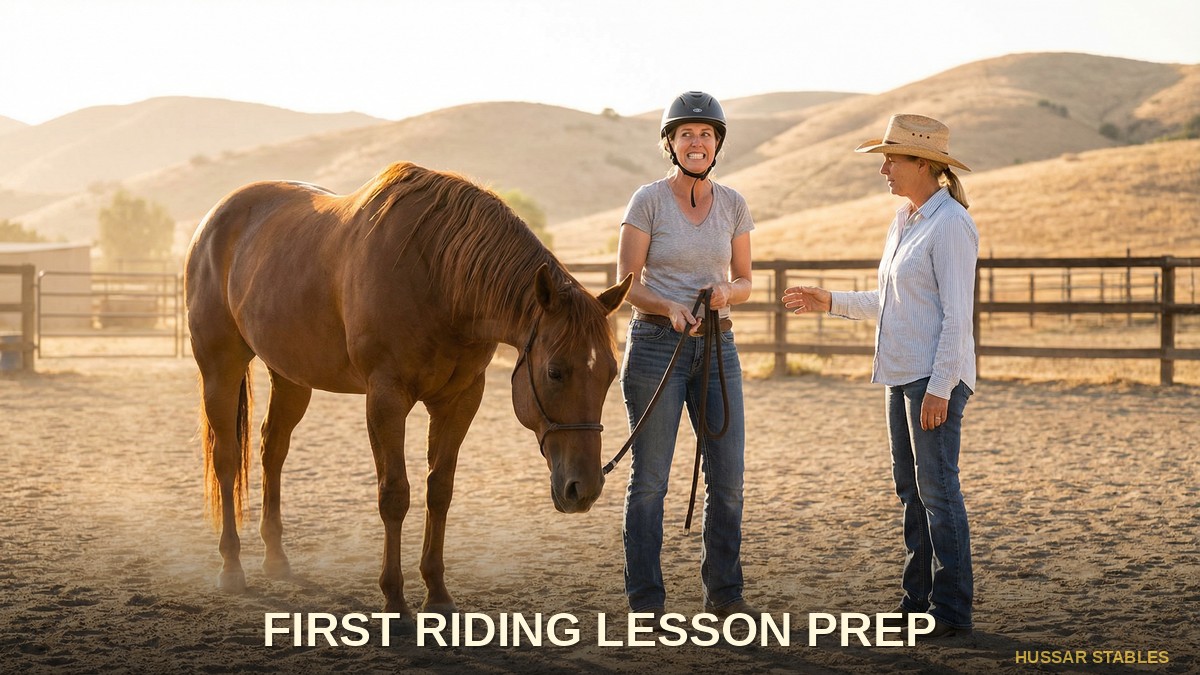
How to Prepare Your Child for Their First Riding Lesson
5 min read
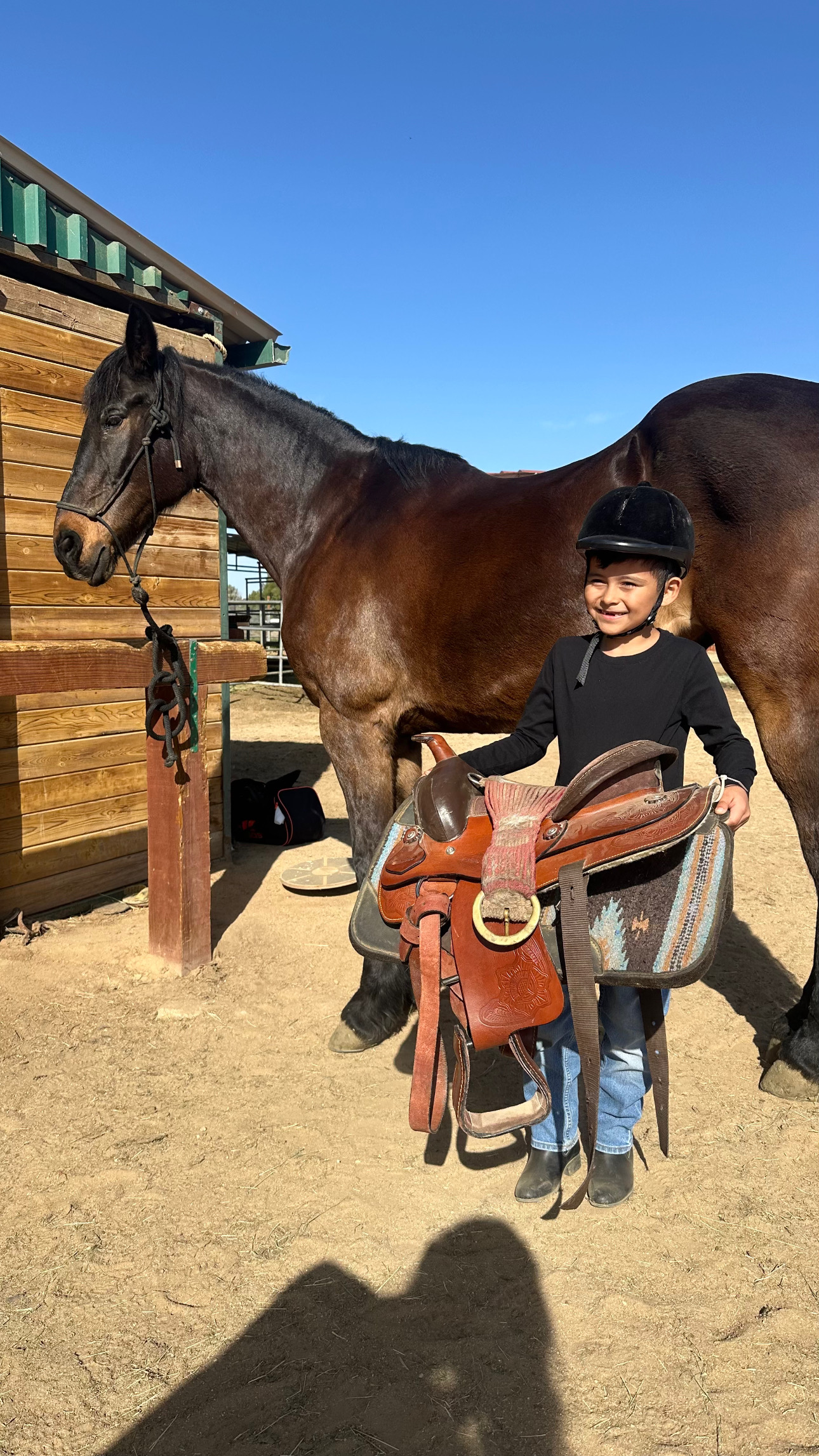
Horse Care 101: What Every New Equestrian Parent Needs to Know
7 min read
Have a question?
Text us — we reply fast.
(661) 227-3214 · Hussar Stables, Palmdale CA
Ready to Experience This in Person?
Book a private Intro Lesson at Hussar Stables and discover why families from Palmdale, Lancaster, and Santa Clarita choose our members-only riding club.
Book Intro Lesson