Not every horse is built for the trail. Learn what temperament, training, and physical traits to look for — and what red flags to avoid.
The right trail horse is calm under pressure, forward but not reactive, sure-footed on varied terrain, and comfortable away from the herd. Breed matters less than individual temperament and trail experience.
The Most Important Question Is Not About Breed
When riders start thinking about trail horses, the first question is usually about breed. Quarter Horse or Arabian? Paint or Appaloosa? The breed question is understandable — it is concrete, searchable, and gives the impression of a clear answer.
But experienced trail riders know that breed is one of the least important variables. The most important question is: has this specific horse been on trails, and how did it behave?
A well-trained, trail-seasoned Quarter Horse and a well-trained, trail-seasoned Thoroughbred will both make excellent trail partners. An inexperienced horse of any breed will present the same challenges — spooking at unfamiliar objects, refusing water crossings, calling back to the barn, and losing focus when separated from other horses.
This guide covers what actually matters when evaluating a horse for trail riding.
Continue Reading · Local Guides
Trail Riding Club Near Palmdale: Inside the Hussar Stables Exploration Club
7 min read
Temperament: The Foundation of Everything
Temperament is the single most important factor in a trail horse. You can train fitness. You can build experience. You cannot fundamentally change a horse's baseline anxiety level.
What you are looking for is a horse that is naturally curious rather than fearful. When something unfamiliar appears — a plastic bag, a mountain biker, a stream crossing — a good trail horse will look, assess, and move on. A horse with high baseline anxiety will spook first and think later, and no amount of desensitization training fully eliminates that pattern.
This does not mean you want a dull horse. A horse with no forward energy is exhausting on a long trail — you spend the entire ride pushing. What you want is a horse that is forward and willing but not reactive. Alert without being anxious. Interested without being distracted.
The best way to assess temperament is to watch the horse in its normal environment before you ever get on. Does it stand quietly at the tie rail? Does it eat calmly when other horses are moving around? Does it load into a trailer without drama? These low-stakes observations tell you more than a test ride in a familiar arena.
Continue Reading · Local Guides
Inside the Hussar Stables Exploration Club: What a Month Actually Looks Like
8 min read
Trail Experience: Why It Matters More Than Training Level
A horse that has been trained to Grand Prix dressage but has never left the arena is not a trail horse. Trail riding exposes horses to a category of stimuli that arena work simply does not prepare them for: wildlife, uneven footing, water crossings, narrow paths, traffic, and the psychological challenge of being away from the barn and herd.
A horse with genuine trail miles has already encountered most of these things and learned that they are survivable. That experience is irreplaceable. It cannot be replicated in a round pen or an arena desensitization session.
When evaluating a horse for trail use, ask specifically:
- How many trail miles does this horse have?
Continue Reading · Working Equitation
Why Working Equitation Makes You a Better Trail Rider
7 min read
- What terrain has it covered — flat, rocky, mountainous, desert?
- Has it crossed water? Ridden alone, not just in a group?
- How does it behave when separated from other horses on the trail?
The last question is particularly important. Many horses are perfectly calm in a group but become anxious and difficult when they are at the front of the line or separated from the group. A horse that cannot function independently on the trail is a liability.
Continue Reading · Riding Technique
Riding Technique: The Complete Guide to Learning and Progressing as an Equestrian
16 min read
Herd Independence: The Underrated Trait
Herd-bound behavior is one of the most common and most dangerous problems on the trail. A horse that is strongly herd-bound will rush back toward the barn, call out repeatedly to other horses, refuse to move forward when separated from the group, and in extreme cases, bolt or rear.
This behavior is rooted in the horse's instinct for safety in numbers. It is not a training failure — it is a natural response that some horses have more strongly than others. But it is a trait that makes a horse genuinely unsafe on the trail.
A good trail horse should be able to:
- Leave the barn calmly, without calling back
- Ride at the front, middle, or back of a group without anxiety
- Continue forward if another horse stops or turns back
- Be ridden alone without becoming unmanageable
Test this specifically before committing to a horse. Ride it away from the barn alone. Ride it at the front of a group. Have another horse turn back while yours continues forward. These tests will reveal herd-bound behavior that a calm arena test will not.
Physical Soundness on Varied Terrain
Trail riding places different physical demands on a horse than arena work. Arena footing is consistent, predictable, and forgiving. Trails are not.
A horse that is sound in an arena may struggle on rocky terrain, steep descents, or soft sandy washes. Before evaluating a horse for trail use, have a veterinarian assess:
- Hoof quality and foot balance (critical for rocky terrain)
- Joint health in the hocks, stifles, and fetlocks
- Back soundness (long trail rides are physically demanding)
- Overall fitness and cardiovascular capacity
A horse with marginal soundness that is managed well in an arena will break down faster on the trail. This is not a horse to take on long rides in demanding terrain.
Shoe or barefoot is a separate question that depends on the terrain you ride. In the rocky high desert terrain around Palmdale and the San Gabriel Mountains, most serious trail horses benefit from shoes or protective boots. Consult your farrier based on your specific riding conditions.
Size and Fitness for the Rider
A horse that is too small for its rider will fatigue faster and be more difficult to control on technical terrain. A horse that is too large may be difficult for a less experienced rider to manage in tight situations.
The general guideline is that a horse should carry no more than 20 percent of its body weight, including tack. A 1,000-pound horse should carry no more than 200 pounds total. This is a guideline, not a hard rule — a well-muscled, fit horse can carry more than a soft, unfit horse of the same weight — but it is a useful starting point.
Fitness matters as much as size. A horse that has been standing in a paddock for months is not ready for a 10-mile trail ride, regardless of its natural ability. Build trail fitness gradually, starting with shorter rides on easier terrain and increasing distance and difficulty over weeks.
What to Avoid
Some red flags are obvious. Others are easy to miss if you are not looking for them.
Avoid horses that:
- Spook frequently and unpredictably in their home environment
- Are strongly herd-bound and have not been worked on it
- Have a history of bolting, rearing, or bucking on the trail
- Are significantly out of condition with no plan to build fitness
- Have soundness issues that have not been fully diagnosed and managed
Be cautious with:
- Young horses with limited trail experience (they can be excellent trail horses eventually, but they require an experienced rider and a patient development process)
- Horses that have only been ridden in groups and have never been ridden alone
- Horses whose trail history you cannot verify
The Best Teacher Is an Experienced Trail Horse
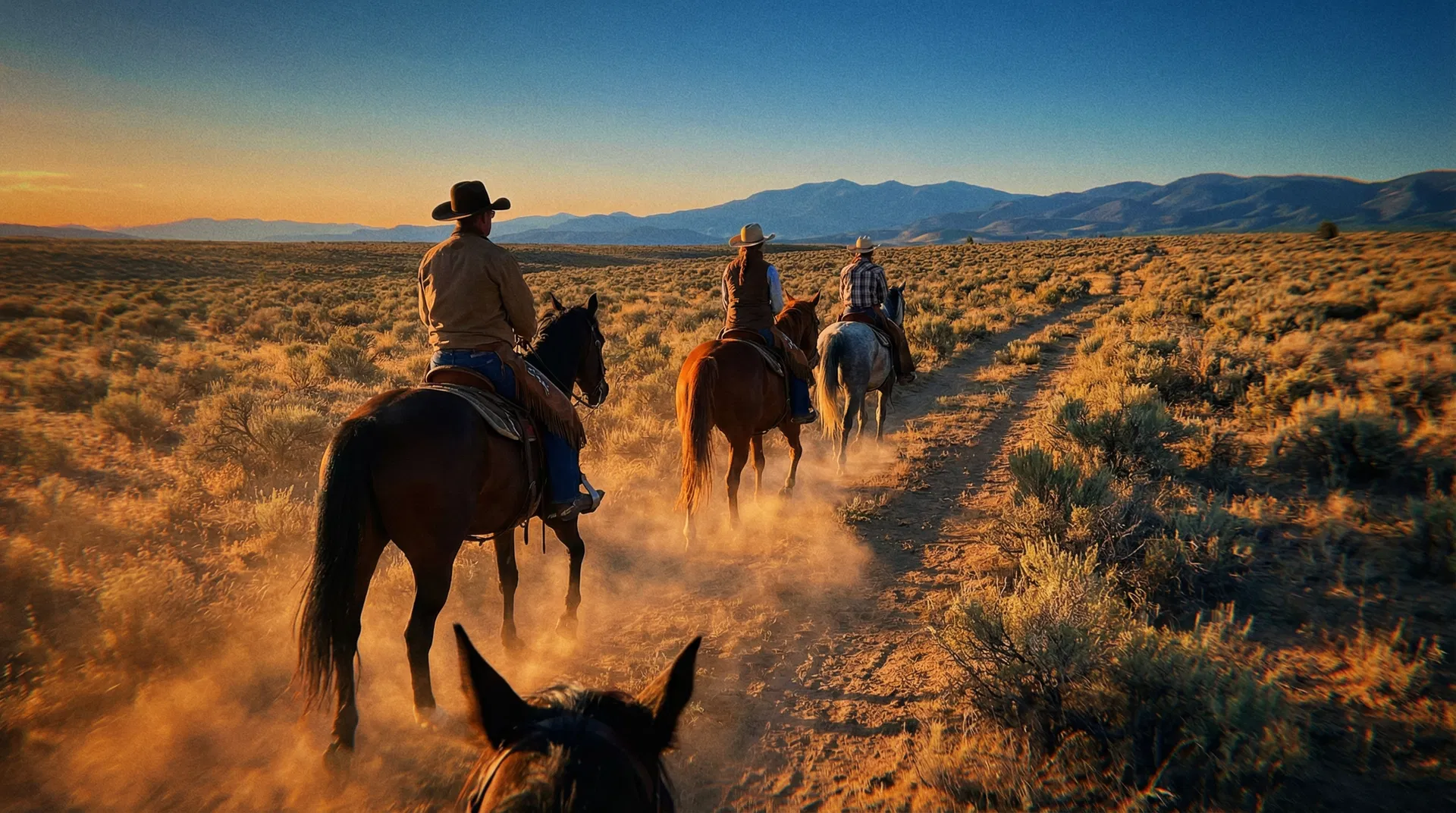
If you are new to trail riding, the single best thing you can do is start on a horse with extensive trail experience. An experienced trail horse will teach you things that no instructor can — how to sit a spook, how to navigate a steep descent, how to read terrain, how to stay calm when something unexpected happens.
A green rider on a green horse is a combination that produces accidents. A green rider on a seasoned trail horse is a combination that produces learning.
At Hussar Stables, our Exploration Club rides are built around horses with genuine trail miles in the San Gabriel Mountains and the Antelope Valley desert. If you are interested in developing your trail riding, [the Exploration Club tryout](/exploration-club) is the best place to start.
The tryout is $150 and covers a 90-minute evaluation session. If it is a good fit, you can join the club.
- Temperament and trail experience matter more than breed
- A good trail horse should be calm, forward, and herd-independent
- Soundness on varied terrain is non-negotiable
- Test the horse on actual trail conditions before committing
- An experienced trail horse will teach you more than a green one
More in Riding Technique
Riding Technique: The Complete Guide to Learning and Progressing as an Equestrian
16 min read
Mastering the Bridge: A Step-by-Step Guide to Working Equitation Obstacles
8 min read
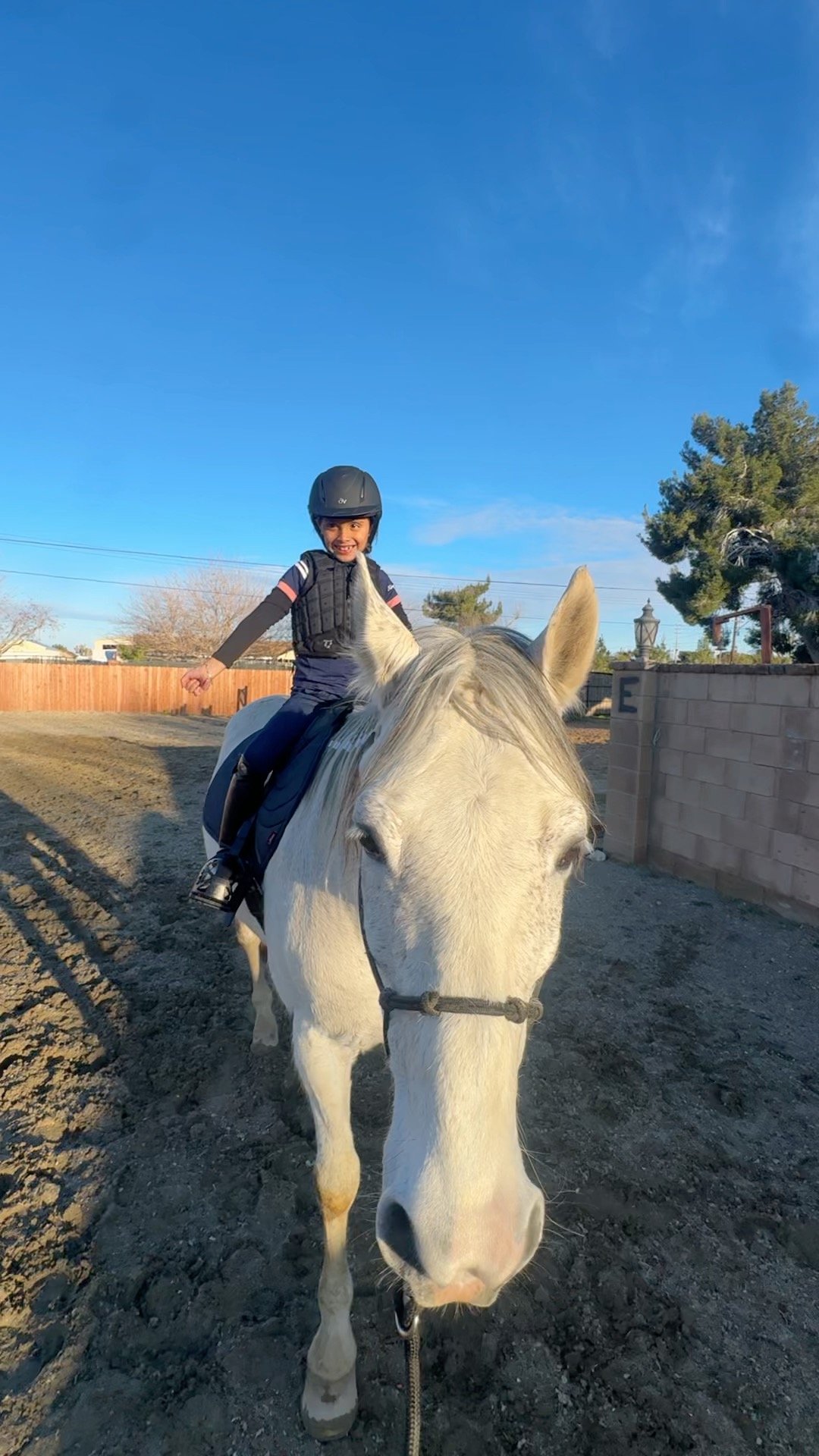
How Alta Escuela Principles Build Better Riders (Even if You Never Compete)
7 min read
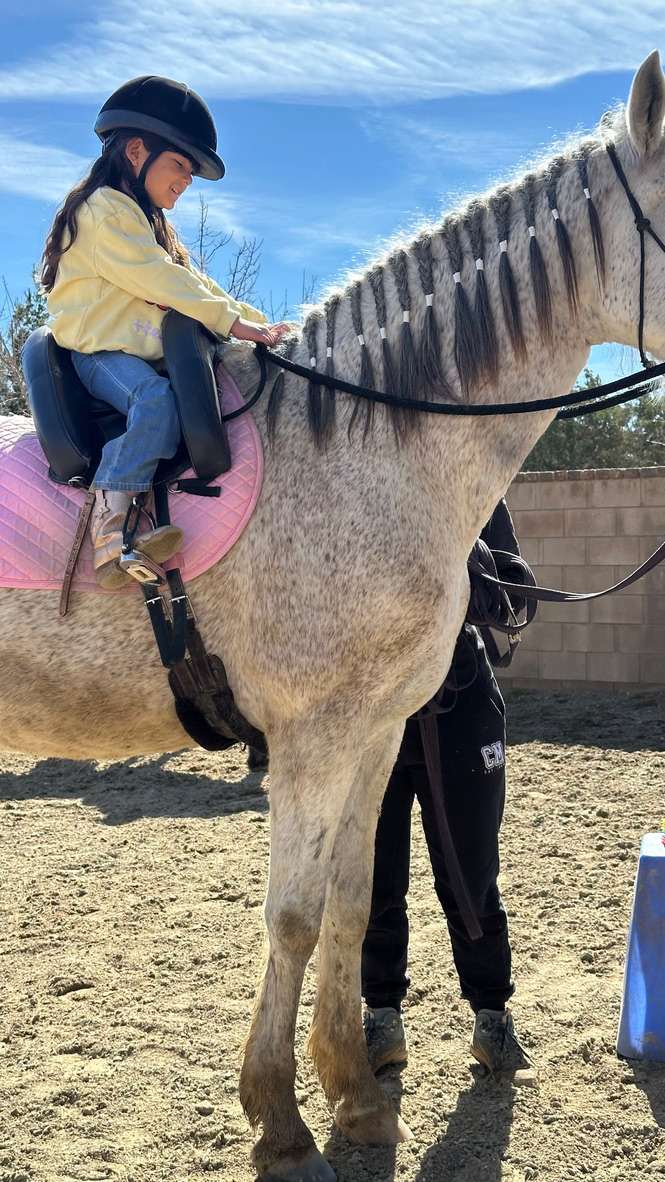
Why Unmounted Horsemanship is Just as Important as Riding
6 min read
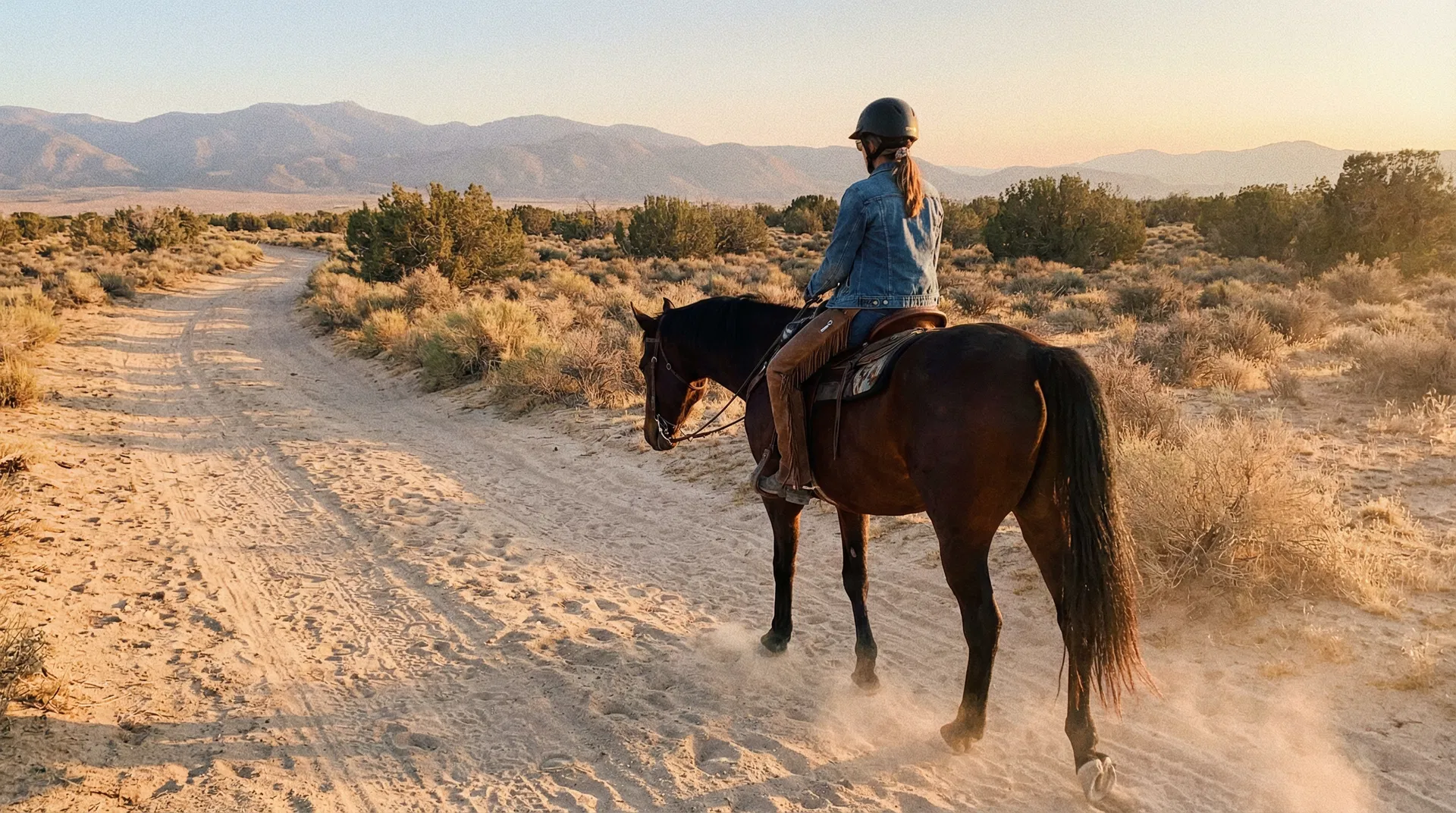
How to Prepare Your Horse for the Working Equitation Speed Trial
8 min read
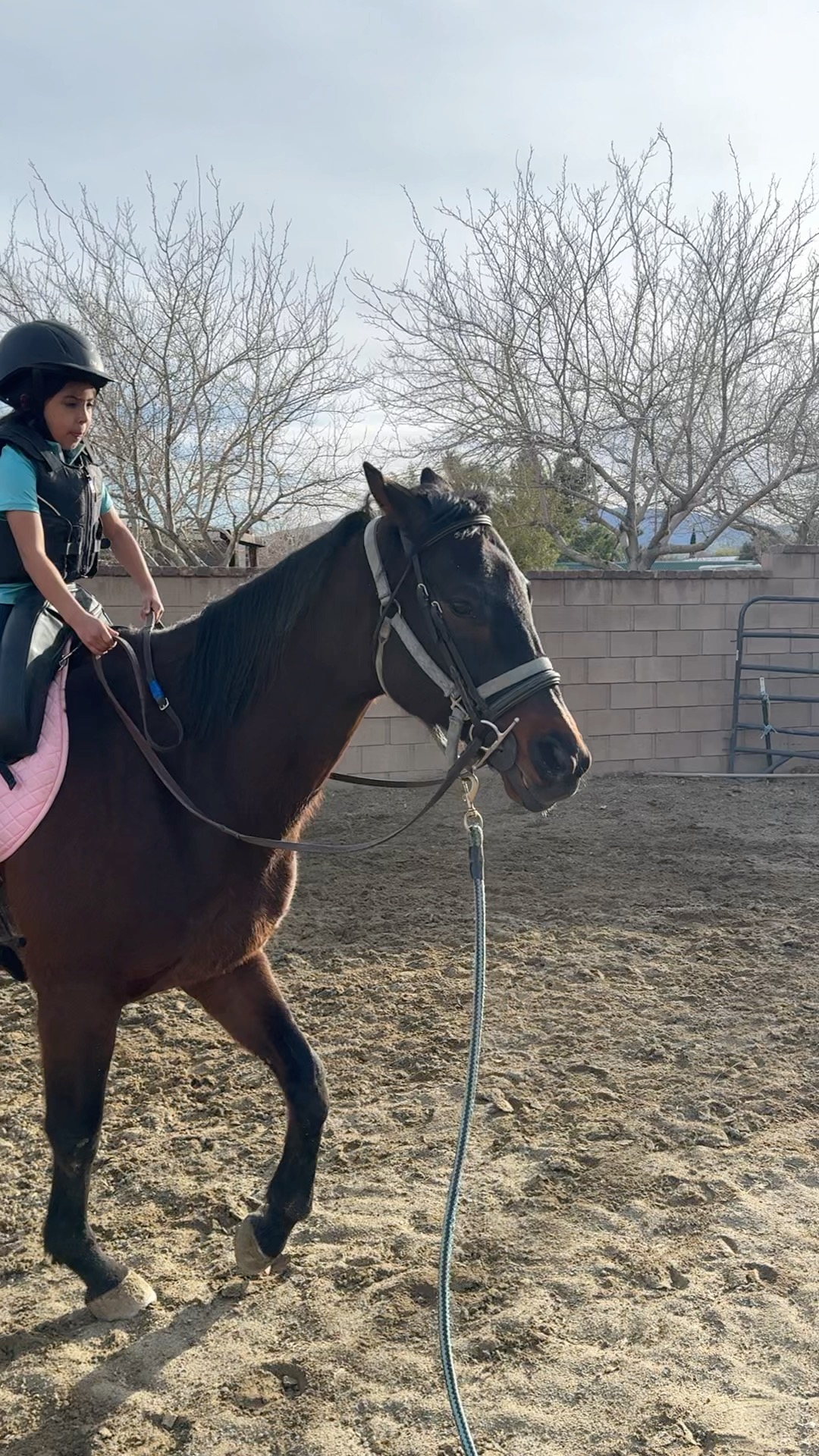
Classical vs. Modern Dressage: What Every Rider Should Know
5 min read
Have a question?
Text us — we reply fast.
(661) 227-3214 · Hussar Stables, Palmdale CA
Ready to Experience This in Person?
Book a private Intro Lesson at Hussar Stables and discover why families from Palmdale, Lancaster, and Santa Clarita choose our members-only riding club.
Book Intro Lesson