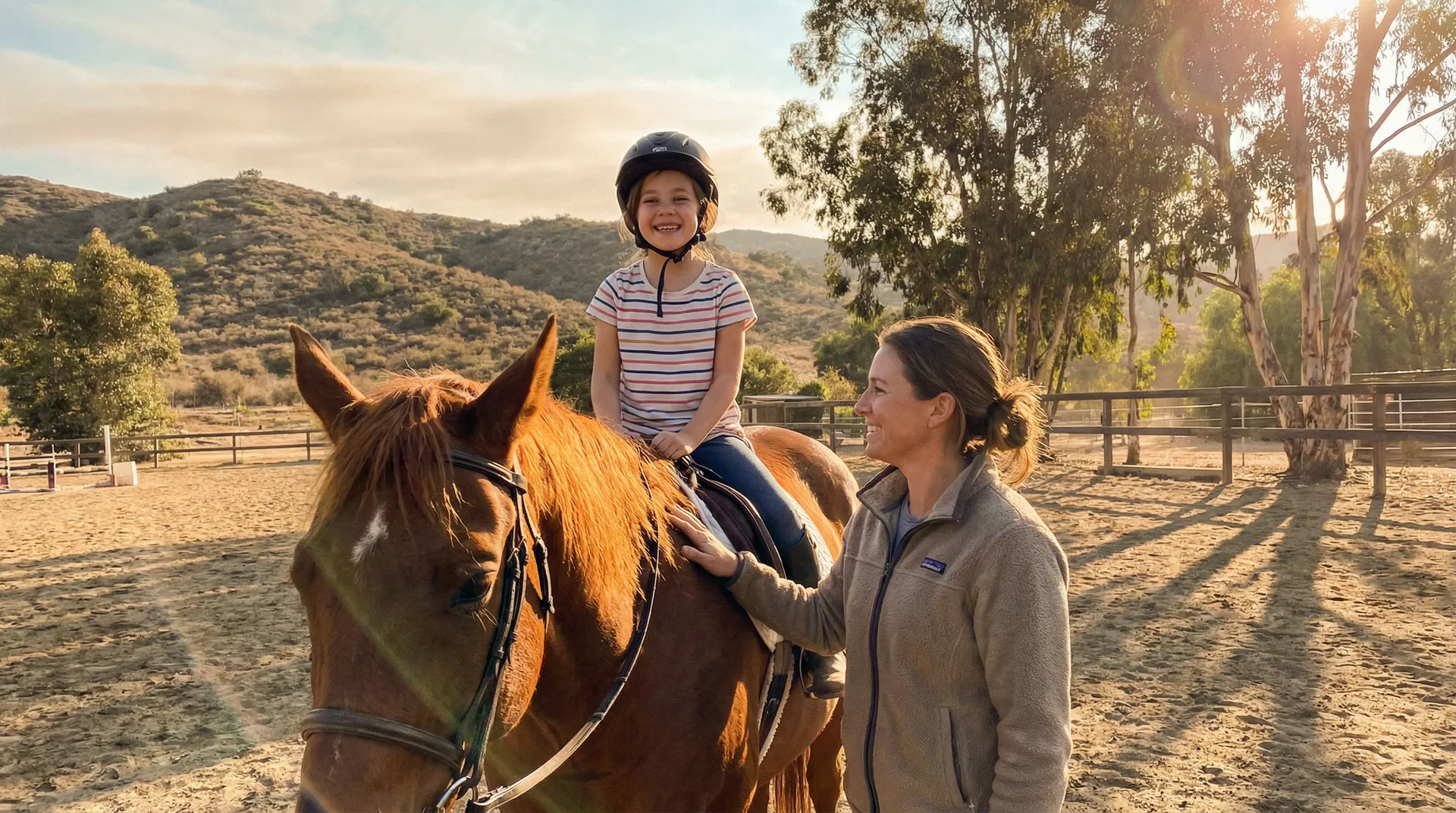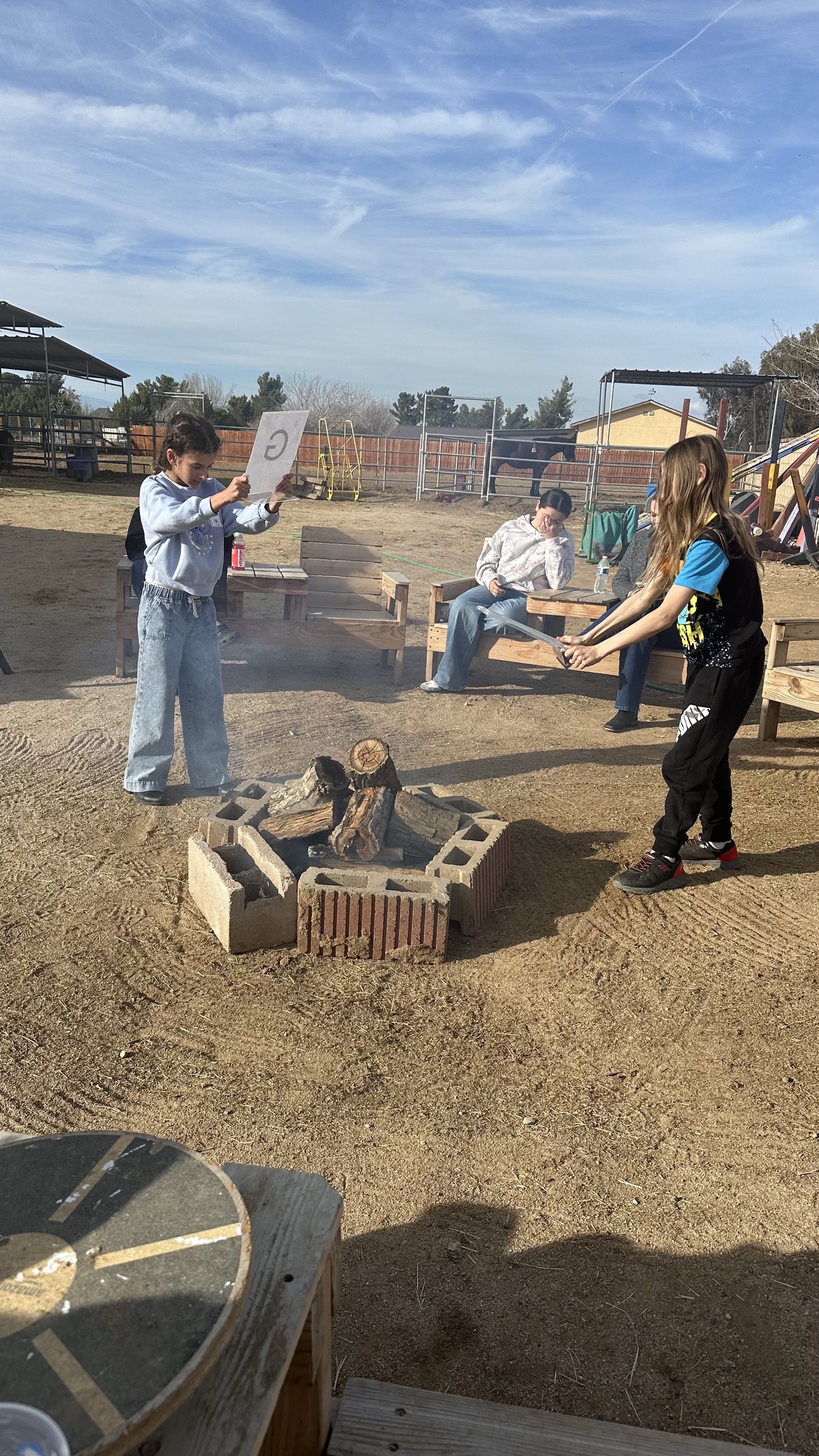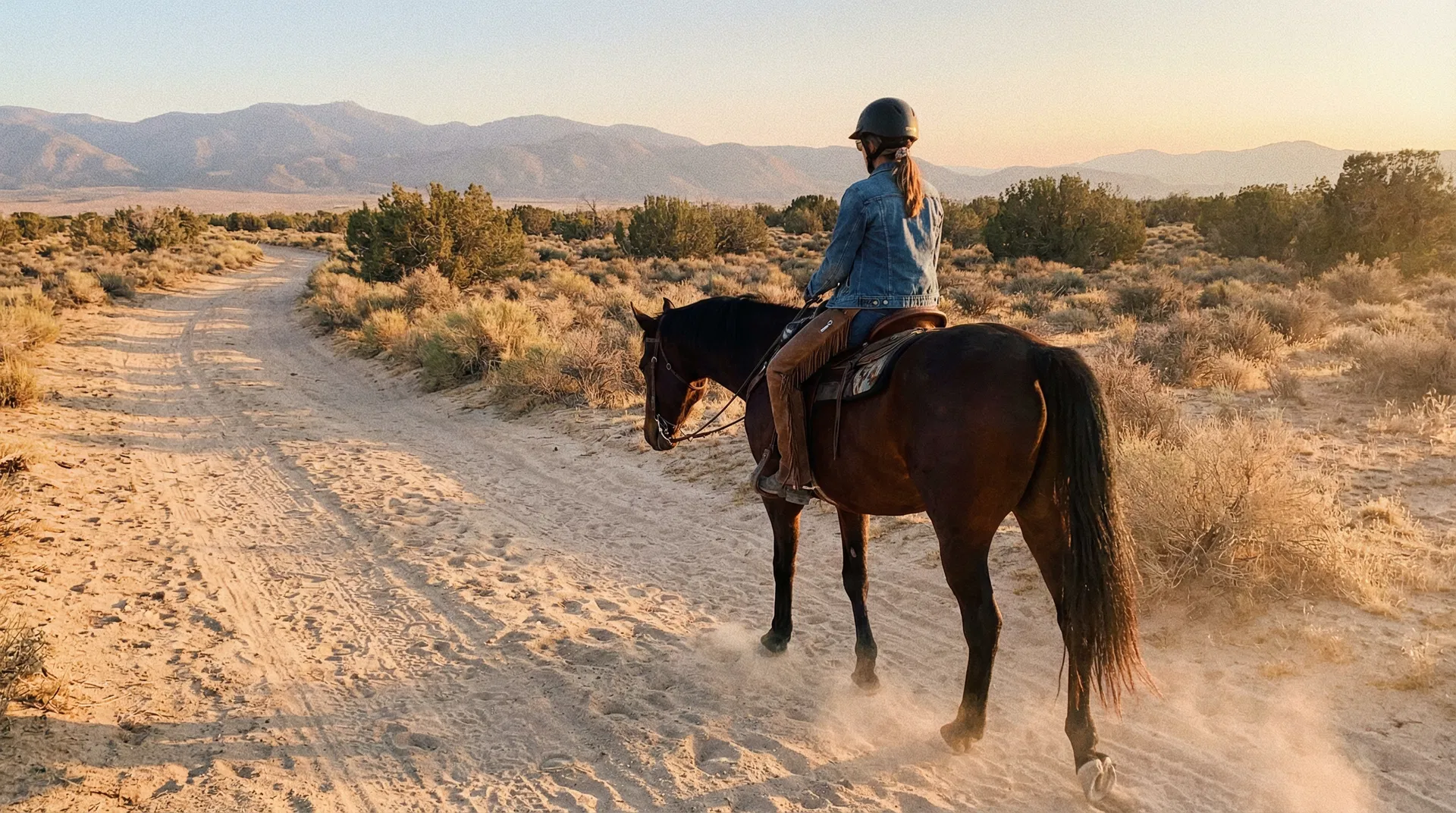
Starting horseback riding as an adult is completely different from starting as a child — and that is not a bad thing. Here is an honest guide to what to expect, what gets easier, and what takes longer.
Adult beginners can absolutely learn to ride horses. The learning curve is steeper than for children in some ways — adults are more self-conscious, more cautious, and carry more physical tension — but adults also learn faster conceptually, follow instructions better, and are more motivated. Most adult beginners reach a comfortable walk, trot, and basic canter within 3 to 6 months of weekly lessons.
Most people who start riding as adults have the same quiet worry: Am I too old for this?
The answer is no. But the question is worth taking seriously, because learning to ride as an adult is genuinely different from learning as a child — and understanding those differences will save you a lot of frustration.
This guide is for adults who have never been on a horse, or who rode briefly as a child and are starting again. It covers what to expect, what gets easier, what takes longer, and how to set yourself up for real progress.
Why Adults Learn Differently
Children learn to ride through feel and repetition. They are low to the ground, fearless, and have not yet developed the habit of overthinking. They fall off, get back on, and do not spend the next week analyzing what went wrong.
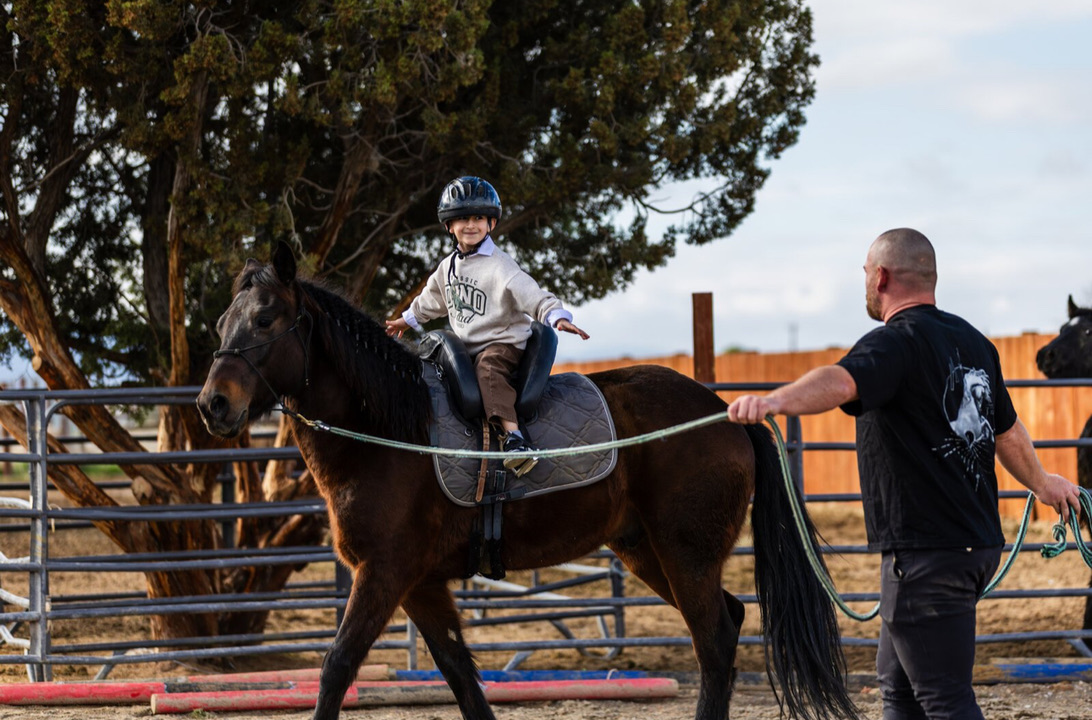
Continue Reading · Beginners
Complete Guide to Horseback Riding for Beginners (2026)
15 min read
Adults are different. Adults come to riding with more body awareness, more self-consciousness, and more physical tension. They have spent decades sitting at desks, driving cars, and moving in ways that are the opposite of what riding requires. The deep hip flexors are tight. The lower back is stiff. The instinct when something goes wrong is to grip and brace — exactly the wrong response on a horse.
But adults also have significant advantages. Adults understand instructions the first time. They can conceptualize what a movement should feel like before they can execute it. They are motivated by genuine desire rather than parental pressure. And they are patient in a way that children often are not.
The result is a different learning curve: adults progress faster in theory and slower in feel. The concepts click quickly. The body takes longer to catch up.
What Happens in Your First Lesson
A well-run first lesson for an adult beginner will not put you on a horse and send you around the arena. It will start on the ground.
Continue Reading · Beginners
How Long Does It Take to Learn to Ride a Horse? A Realistic Timeline
5 min read
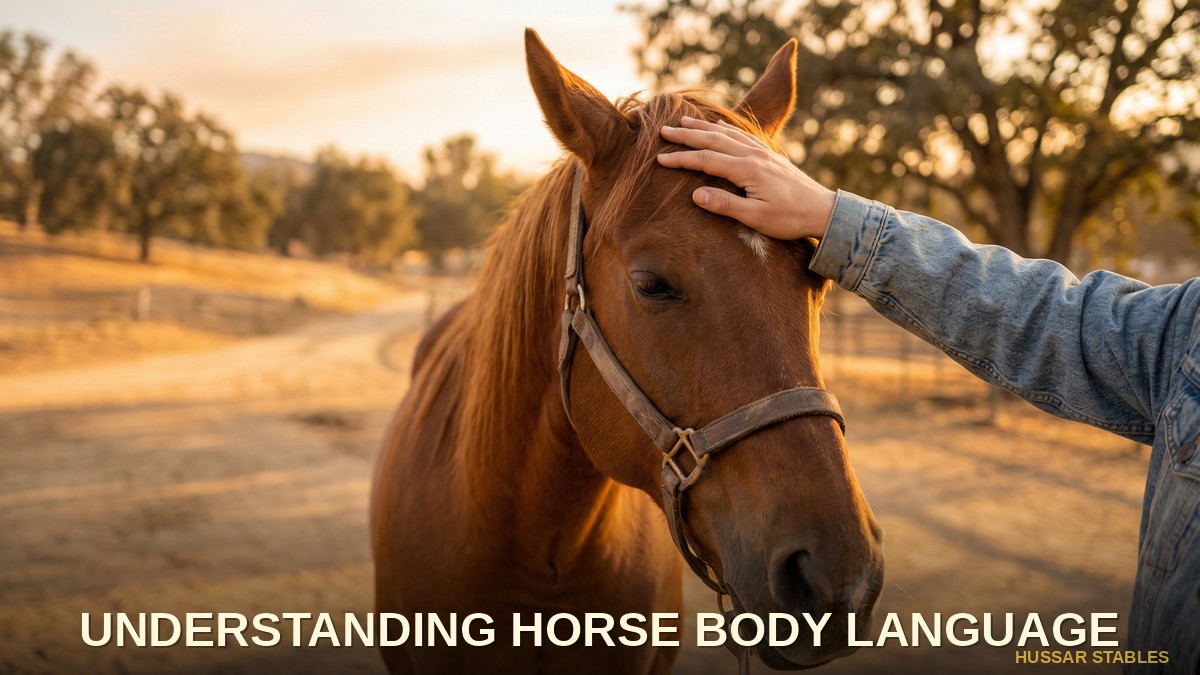
You will be introduced to the horse — how to approach it, how to stand near it, what the horse's body language is telling you. You will learn how to lead it, how to groom it, and how to tack it up. This is not filler. This is the foundation of everything that follows.
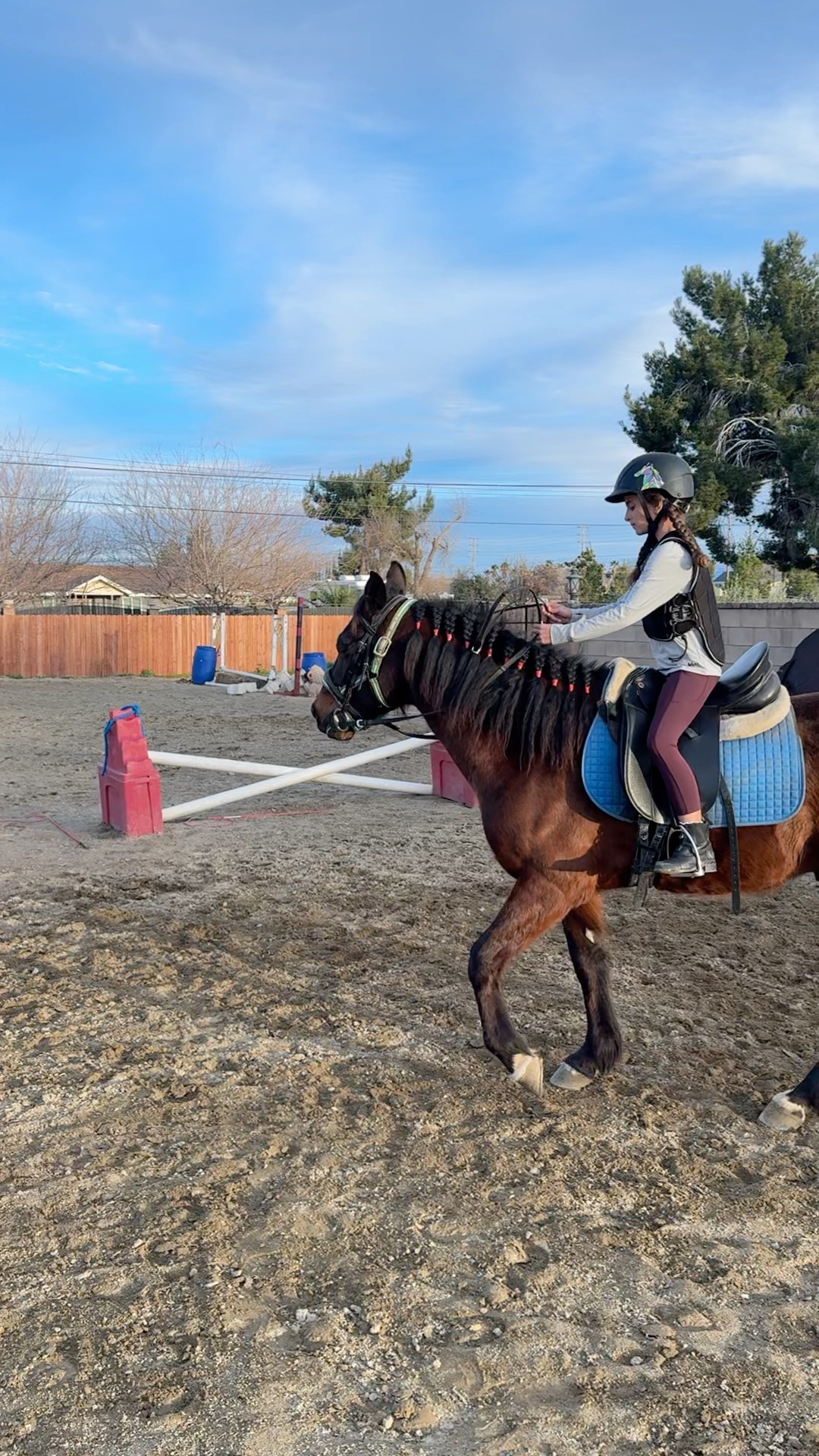
When you do get in the saddle, the first lesson is about position and balance, not steering. Your instructor will help you find a neutral seat — pelvis level, weight in your heels, shoulders back and relaxed, hands soft. You will walk. You will feel the horse move beneath you. You will probably feel unsteady and slightly alarmed by how large the animal is.
This is normal. The horse is not alarmed. The horse has done this hundreds of times.
By the end of the first lesson, most adult beginners have walked, started to feel the rhythm of the horse's movement, and learned the very basics of how to ask the horse to stop and turn. That is a full lesson's worth of progress.
Continue Reading · Beginners
How to Overcome Fear of Horses: A Step-by-Step Guide for Nervous Beginners
5 min read
The Fear Factor
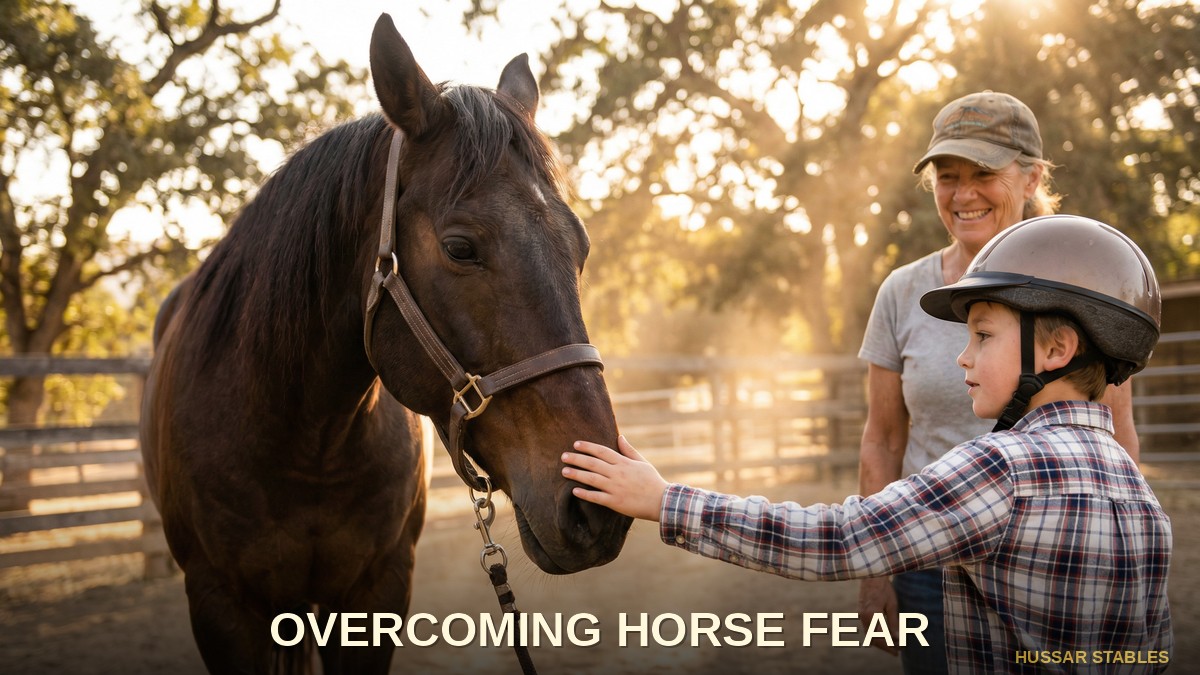
Fear is the most common thing adult beginners do not want to admit to. It is also completely normal.
Horses are large, powerful, and unpredictable in ways that cars and gym equipment are not. The fear response — the tightening of the body, the holding of the breath, the urge to grip — is a rational response to a genuinely novel situation. It is not weakness. It is your nervous system doing its job.
The problem is that fear is the worst possible state to be in on a horse. Horses read tension in the rider's body and interpret it as a signal that something is wrong. A tense rider creates a tense horse. A tense horse is harder to ride, which increases the rider's fear, which increases the horse's tension. This is the cycle that makes riding feel dangerous when it does not have to be.
The solution is not to suppress the fear. It is to manage it through preparation and the right environment. A good instructor will:
Continue Reading · Beginners
The 7 Most Common Beginner Riding Mistakes (And How to Fix Them)
7 min read
- Put you on a calm, experienced horse that has been specifically trained for beginners
- Start at a pace that is well within your comfort zone
- Teach you breathing and relaxation techniques alongside riding technique
- Never push you faster than your confidence allows
Continue Reading · Beginners
How to Bond With a Horse: Building Trust From the Ground Up
7 min read
- Explain what is happening and why, so the unknown becomes known
At Hussar Stables, we work with adult beginners regularly. We know that the first few lessons are as much about managing the nervous system as they are about riding technique. Our lesson horses are selected specifically for their calm temperament and tolerance of beginner mistakes.
The Physical Reality
Riding uses muscles that most adults have never consciously engaged. The inner thigh, the deep core, the hip flexors, the lower back — these are the primary muscles of riding, and they will be sore after your first few lessons in a way that surprises most people.
This is not a sign that you are doing something wrong. It is a sign that your body is learning a new movement pattern. The soreness fades within a few weeks as those muscles develop.
The physical challenge that takes longest for adults is releasing tension in the hip. Riding requires a following seat — a pelvis that moves with the horse's motion rather than bracing against it. For adults who have spent years sitting in rigid chairs and car seats, this following motion is deeply unfamiliar. It takes time. It takes conscious practice. And it is the single most important physical skill in riding.
The good news: it does come. Most adult beginners start to feel the following seat within 6 to 10 lessons. Once you feel it, you cannot unfeel it, and your riding changes dramatically.
How Long Does It Take?
Honest answer: longer than you think, and faster than you fear.
With weekly lessons, most adult beginners reach these milestones:
Weeks 1-4: Comfortable at the walk. Beginning to post the trot. Understanding basic aids (leg, rein, seat). Still gripping with the knees.
Weeks 5-10: Posting trot becoming more natural. Starting to feel the rhythm. Less tension in the body. Beginning to steer with intention rather than accident.
Months 3-4: Sitting trot starting to develop. First canter attempts. Feeling more secure in the saddle. Beginning to think about the horse rather than just about staying on.
Months 5-6: Canter becoming more controlled. Starting to develop an independent seat — the ability to use hands and legs without affecting balance. This is the turning point.
These timelines assume weekly lessons with a structured curriculum. Twice-weekly lessons compress the timeline significantly. Drop-in rides with no instruction do not produce the same results.
What Makes a Good Adult Beginner Program
Not every riding school is set up for adult beginners. Some programs are designed primarily for children. Some offer drop-in trail rides that are pleasant but teach nothing. Some have instructors who are excellent riders but poor teachers.
What to look for:
A structured curriculum. You should know what you are working on and why. Progress should be measurable.
Calm, experienced lesson horses. The horse matters as much as the instructor. A horse that is patient with beginner mistakes, tolerant of tension, and calm in the arena will teach you more than any amount of theory.
Private or semi-private lessons. Group lessons can work, but for adult beginners, private instruction allows the instructor to address your specific tension patterns, your specific fears, and your specific body.
An instructor who explains the why. Adults learn better when they understand the reasoning behind a technique. An instructor who can explain why you keep your heels down, why you sit back at the canter, why you release the rein when the horse softens — that instructor will accelerate your progress.
At Hussar Stables in Palmdale, CA, we offer private Intro Lessons designed specifically for beginners — adults included. Our program is built on classical horsemanship principles, which means we teach riding as a skill to be developed systematically, not a trail ride to be survived.
If you are an adult who has always wanted to ride, or who rode briefly years ago and wants to start properly — we would be glad to have you. The horses are ready. The only question is whether you are.
[Book an Intro Lesson](/book) at Hussar Stables and start your riding journey the right way.
- Adults can absolutely learn to ride — age is not a barrier
- Adults learn the theory faster than kids; the physical feel takes longer
- Fear is normal and manageable — a good instructor works with it, not against it
- Weekly lessons are the minimum; twice a week produces dramatically faster progress
- The biggest adult-beginner mistake is gripping with the knees — learn to sit, not hold on
- Most adults reach a comfortable trot within 4-8 weeks and canter within 3-6 months
More in Beginners
Complete Guide to Horseback Riding for Beginners (2026)
15 min read
What to Wear to Your First Horseback Riding Lesson (And What We Provide)
5 min read
How Long Does It Take to Learn to Ride a Horse? A Realistic Timeline
5 min read
The 7 Most Common Beginner Riding Mistakes (And How to Fix Them)
7 min read
How to Read a Horse's Body Language: A Beginner's Guide
7 min read
How to Overcome Fear of Horses: A Step-by-Step Guide for Nervous Beginners
5 min read
Have a question?
Text us — we reply fast.
(661) 227-3214 · Hussar Stables, Palmdale CA
Ready to Experience This in Person?
Book a private Intro Lesson at Hussar Stables and discover why families from Palmdale, Lancaster, and Santa Clarita choose our members-only riding club.
Book Intro Lesson